BNN Summary
Arecent gathering of the INDIA bloc saw allies voice significant discontent, particularly regarding the DMK's status within the coalition and urging the Congress to adopt a more collaborative, unifying role rather than a competitive one. Despite initial pushback, the meeting concluded on a conciliatory note, with a renewed commitment to strengthening the alliance's unity and operational framework against the incumbent government. Leaders emphasized the importance of cohesion for future electoral challenges.
In-Depth Analysis
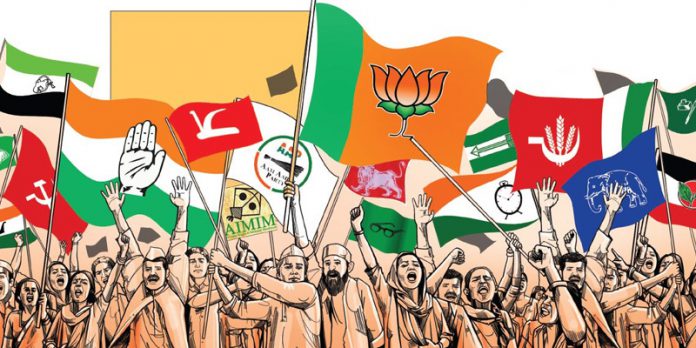
The Indian National Developmental Inclusive Alliance (INDIA) bloc convened recently for a crucial meeting, which saw alliance partners engage in candid discussions about the coalition's internal dynamics and future strategies. The gathering, intended to strengthen the opposition front ahead of forthcoming elections, instead became a platform for several allies to express their deep-seated concerns, particularly regarding the perceived leadership style of the Indian National Congress and the broader cohesion of the alliance.
A significant point of contention raised during the deliberations was the status of the Dravida Munnetra Kazhagam (DMK). Alliance partners reportedly conveyed their strong unhappiness over the DMK no longer being an active part of the bloc, questioning the circumstances surrounding its perceived disengagement. This development sparked considerable debate, with several leaders emphasizing the critical importance of retaining all regional heavyweights to ensure the alliance's comprehensive electoral strength, especially in key southern states where the DMK wields considerable political influence. The absence or reduced participation of a significant constituent like the DMK was seen as potentially undermining the bloc's declared objective of presenting a united and formidable front against the ruling dispensation.
A central theme of the discussions revolved around the role of the Congress, the largest party within the INDIA bloc. Allies were unequivocal in their insistence that the Congress should act as a 'glue' that binds the diverse regional parties together, rather than adopting a competitive stance that could inadvertently create friction and weaken the collective. This sentiment reportedly stems from a perception among some partners that Congress, in certain regions, might be prioritizing its own electoral ambitions over the broader interests of the alliance. Concerns were raised about potential overlaps in campaigning, seat-sharing negotiations, and overall strategic alignment that could arise if Congress failed to adopt a more accommodating and collaborative approach.
Senior leaders from various allied parties reportedly articulated these grievances directly and unequivocally during the intensive deliberations. They underscored the necessity for robust internal mechanisms to resolve differences and foster a genuine spirit of cooperation. The discussions highlighted the delicate balance required to accommodate the aspirations and regional strengths of multiple political entities while simultaneously working towards a unified national objective. There was a palpable call for the Congress to leverage its national presence and historical legacy to facilitate consensus-building and provide a framework that allows all partners to thrive, rather than competing with them in their strongholds.
Despite the frank exchanges and the clear articulation of discontent, the meeting ultimately concluded on a conciliatory note. Reports suggest a renewed commitment from all parties, including the Congress leadership, to strengthen the alliance's operational framework and address the concerns raised. There was an apparent agreement to enhance communication channels, streamline decision-making processes, and re-emphasize the shared goals that initially brought these disparate parties together. The focus ultimately shifted towards forging a more effective and coordinated strategy to challenge the ruling Bharatiya Janata Party (BJP) in upcoming electoral contests. The 'conciliatory end' signifies that despite the internal friction, the core objective of the alliance remains intact, and efforts are underway to mend fences and ensure its long-term viability and effectiveness. This outcome reflects a collective recognition that unity, even amidst internal differences, is paramount for the INDIA bloc to present a credible and cohesive alternative to the electorate. Further meetings are anticipated to solidify these commitments and translate them into concrete political action. The leadership collectively affirmed its resolve to overcome challenges and work collaboratively for the alliance's success, emphasizing the need for mutual respect and strategic alignment.
How do you feel about this story?