BNN Summary
The recent meeting of the INDIA bloc has significantly intensified political discussions, underscoring its pivotal role as the most viable platform for the opposition in India. Despite inherent challenges in consolidating diverse political entities, the alliance is actively working to forge a unified front against the incumbent government, aiming to offer a credible alternative and influence the nation's political trajectory.
In-Depth Analysis
The Indian National Developmental Inclusive Alliance (INDIA) bloc recently convened a critical meeting, triggering extensive debate within political circles across the nation. This gathering has notably reinforced the perception that the INDIA bloc remains the most substantial and viable platform for opposition parties seeking to challenge the ruling establishment. Even before the meeting's conclusion, discussions were rife about the alliance's strategic direction and its capacity to present a united front in the highly competitive Indian political landscape.
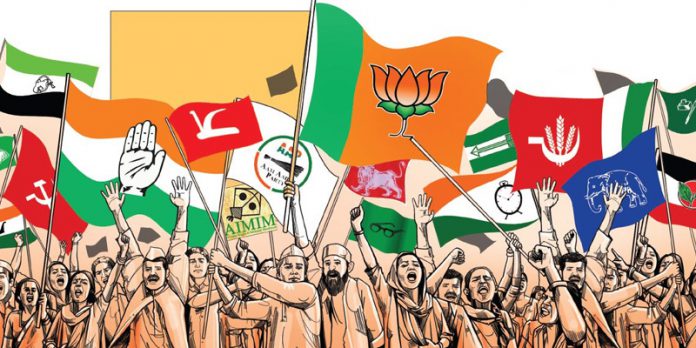
The genesis of the INDIA bloc lies in the collective aspiration of numerous regional and national parties to consolidate their strengths against a dominant political force. Its formation brought together a diverse array of political entities, each with its own regional stronghold, ideological leanings, and voter base. This inherent diversity, while a source of strength through broad representation, also poses significant coordination challenges, particularly concerning leadership, seat-sharing arrangements for upcoming elections, and formulating a cohesive national narrative. The recent meeting aimed to address some of these intricate issues, signaling a renewed push towards operationalizing their collaborative framework.
What truly distinguishes the INDIA bloc as the 'most viable platform' is its combined numerical strength and extensive geographical reach. Comprising parties that individually hold sway in various states, the alliance potentially commands a significant share of the national vote bank. This collective power is seen as essential for any meaningful contest against a well-entrenched ruling party. Furthermore, the bloc's existence ensures that a diverse range of voices and regional concerns are represented at the national level, preventing a monolithic political discourse. The discussions within the bloc often span critical issues such as economic disparities, social justice, federalism, and democratic institutions, aiming to articulate an alternative vision for the country.
However, the path forward for the INDIA bloc is fraught with complexities. Internal dynamics, including the jostling for leadership roles and the inevitable disagreements over policy priorities, remain significant hurdles. The delicate task of negotiating seat-sharing agreements across states, where some constituent parties are traditional rivals, requires immense political will and compromise. Overcoming these internal fissures will be paramount to projecting an image of unity and resolve to the electorate. Moreover, the alliance faces the formidable challenge of countering the well-oiled communication machinery of the incumbent government, which often seeks to highlight the internal differences and perceived inconsistencies within the opposition ranks.
Public perception also plays a crucial role in the bloc's viability. For the alliance to be truly effective, it must not only maintain internal cohesion but also convince the electorate that it offers a credible, stable, and governance-ready alternative. This involves articulating a clear, positive agenda for the nation, rather than solely focusing on critiquing the current government. Building trust among voters from diverse backgrounds, including various linguistic, religious, and socio-economic groups, will be key to translating their combined electoral strength into tangible political gains.
Looking ahead, the INDIA bloc's strategy will likely focus on strengthening its organizational structure, refining its common minimum program, and launching coordinated campaigns on issues that resonate with the common citizen. The upcoming electoral cycles, particularly the general elections, will serve as a crucial test of its unity and strategic efficacy. The alliance's ability to navigate its internal complexities, present a compelling national vision, and effectively communicate its message to the electorate will ultimately determine its success in reshaping India's political future and solidifying its position as a potent opposition force.
How do you feel about this story?