BNN Summary
Apivotal meeting of the INDIA bloc in the national capital has been overshadowed by the reported absence of the Dravida Munnetra Kazhagam (DMK), a key Congress ally. This development has fueled sharp criticism from the Bharatiya Janata Party (BJP), which has seized upon the perceived disunity. Leaders like Boora Narsaiah Goud and Shehzad Poonawalla have publicly lambasted the opposition alliance, questioning its cohesion and calling it a 'corrupt dynastic coalition'. The incident highlights ongoing challenges to the bloc's collective strength.
In-Depth Analysis
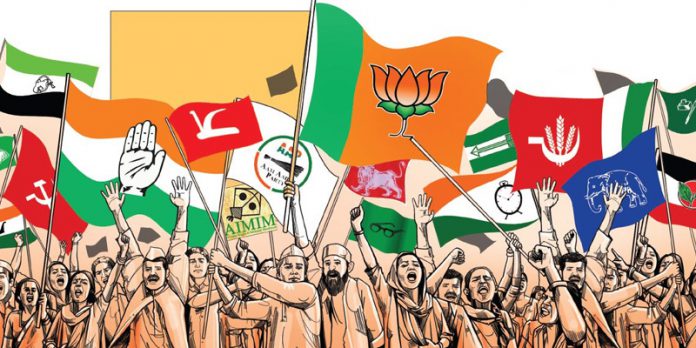
Leaders representing 23 opposition parties convened in the national capital for a crucial meeting of the Indian National Developmental Inclusive Alliance (INDIA) bloc, aiming to solidify strategies against the incumbent Bharatiya Janata Party (BJP) government. However, the anticipated show of strength faced an immediate challenge with the reported absence of the Dravida Munnetra Kazhagam (DMK), a significant ally of the Congress party and a formidable regional force in Tamil Nadu. This non-attendance has ignited intense political discussions and provided fresh ammunition for the BJP to critique the opposition's unity.
The INDIA bloc, formed with the ambitious goal of presenting a united front in upcoming general elections, relies heavily on the collective participation and synergy of its diverse member parties. The reported non-participation of the DMK—a party that shares a strong alliance with the Congress in Tamil Nadu—raises pertinent questions regarding the internal dynamics, communication efficacy, and overall cohesion within the opposition conglomerate. Political analysts suggest that such absences, especially from key regional players, can undermine the bloc's narrative of solidarity and cast doubts on its ability to effectively challenge the well-entrenched BJP.
The Bharatiya Janata Party was swift to capitalize on the perceived cracks in the opposition's facade. BJP leader Boora Narsaiah Goud publicly criticised Lok Sabha Leader of Opposition (LoP) Rahul Gandhi ahead of the INDIA Bloc meeting, labeling the alliance as a 'corrupt dynastic coalition'. Goud's remarks set an aggressive tone, aiming to discredit the opposition's moral standing and highlight what the BJP portrays as inherent flaws in its structure and leadership. This line of attack seeks to reinforce the BJP's narrative that the INDIA bloc is driven by personal ambitions and familial legacies rather than a coherent national agenda.
Further amplifying the BJP's stance, leader Shehzad Poonawalla critiqued the INDIA bloc, describing it as 'divided' and pointing to its 'fragmented unity' amidst the crucial meeting. Poonawalla's statements underscored the BJP's strategy to exploit any visible disunity among opposition parties, thereby projecting an image of internal strife and disarray within the alliance. Such criticisms aim to erode public confidence in the INDIA bloc's capacity to offer a stable and unified alternative government.
The absence of the DMK is particularly noteworthy given its robust electoral performance in Tamil Nadu and its strategic importance to the Congress-led alliance. While the exact reasons for the DMK's reported non-attendance were not immediately clear, its implications are manifold. It could signal internal disagreements over strategic approaches, highlight logistical challenges in coordinating a large alliance, or even suggest a calculated move to assert regional autonomy. Regardless of the underlying cause, the optics of a major ally skipping such a high-profile gathering undoubtedly complicate the INDIA bloc's efforts to project an image of unwavering solidarity.
For the Congress party, as a central pillar of the INDIA bloc, managing such perceived rifts becomes crucial. The party faces the delicate task of addressing concerns about alliance unity while simultaneously countering the aggressive narrative put forth by the BJP. The success of the INDIA bloc hinges not just on its ability to formulate a common electoral strategy but also on its capacity to resolve internal differences, maintain transparent communication, and ensure consistent participation from all its members. The meeting, therefore, was not only about charting a path forward but also about demonstrating resilience in the face of internal and external pressures.
As leaders deliberate on critical issues, the spotlight remains firmly on the INDIA bloc's ability to demonstrate genuine unity and cohesion. The incident involving the DMK's reported absence serves as a stark reminder of the intricate challenges inherent in forging and sustaining a diverse political alliance. The manner in which the bloc addresses this and similar instances of perceived disunity will significantly influence its credibility and electoral prospects in the highly competitive Indian political landscape.
How do you feel about this story?