BNN Summary
The Dravida Munnetra Kazhagam (DMK) finds itself at the center of both state-level political firestorms and national opposition unity efforts. A stark warning from AIADMK's Nirmal Kumar regarding alleged electricity theft underscores the intense rivalry in Tamil Nadu. Concurrently, the DMK plays a pivotal role in the INDIA alliance's crucial meeting in Delhi, where 23 parties convene to strategize for upcoming elections and strengthen opposition coordination.
In-Depth Analysis
The Dravida Munnetra Kazhagam (DMK), Tamil Nadu's ruling party, is currently navigating a dual political landscape, balancing fierce domestic rivalry with its integral role in forging a united national opposition. The party has been the subject of a pointed verbal attack from the opposition All India Anna Dravida Munnetra Kazhagam (AIADMK), even as its leaders participate in a significant INDIA alliance meeting in New Delhi.
In a recent sharp retort, AIADMK's Nirmal Kumar, without directly naming the recipient, delivered a stern warning to the Minister of Electricity, cautioning against alleged electricity theft within the department. Kumar's fiery statement declared, 'Do not touch the electric wire called Anna Dravida Munnetra Kazhagam, it will shock'. This metaphorically charged statement highlights the deep-seated and often acrimonious rivalry between Tamil Nadu's two dominant Dravidian parties. The AIADMK, currently in opposition, frequently scrutinizes the DMK-led government's performance, and the electricity sector, a vital public utility, often becomes a focal point for such political critiques. Allegations of mismanagement or malfeasance in power distribution or theft are potent issues that can resonate deeply with the electorate, especially given the historical challenges of power supply and infrastructure in the state. Such exchanges are characteristic of the intense political discourse in Tamil Nadu, where both parties are quick to seize upon any perceived vulnerability of the other, often escalating rhetoric in anticipation of future electoral contests. This specific warning serves as a reminder of the constant pressure and scrutiny faced by the ruling DMK from a vigilant opposition.
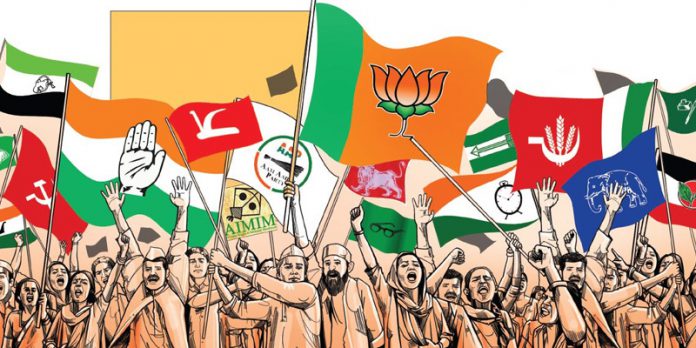
Simultaneously, the DMK is playing a crucial role on the national stage as a key constituent of the Indian National Developmental Inclusive Alliance (INDIA). A pivotal meeting of the INDIA alliance is currently underway in Delhi, drawing together leaders from 23 opposition parties. The primary objective of this gathering is to strengthen coordination among opposition ranks and formulate a cohesive strategy ahead of the upcoming general elections. The alliance aims to present a united front against the incumbent Bharatiya Janata Party (BJP), addressing a range of national issues from economic policies to social justice and federalism. The DMK, under the leadership of Chief Minister M.K. Stalin, has been a vocal proponent of a unified opposition, advocating for a broad coalition that can effectively challenge the BJP's dominance. Its significant electoral strength in Tamil Nadu, a state with substantial parliamentary representation, makes the DMK an indispensable partner within the INDIA bloc.
The Delhi meeting provides a crucial platform for the DMK and other alliance partners to iron out differences, devise seat-sharing arrangements, and finalize a common minimum program that can appeal to a diverse electorate across India. The participation of 23 parties underscores the widespread desire among opposition forces to consolidate their efforts. For the DMK, its active involvement in the INDIA alliance not only elevates its national profile but also provides a strategic advantage in state politics, allowing it to frame the next general election as a broader battle for constitutional values and federal rights, rather than solely a regional contest. As the party navigates these complex political currents, its ability to effectively counter domestic criticism while bolstering national opposition unity will be critical for its political trajectory in the months to come.
How do you feel about this story?