BNN Summary
Chinese President Xi Jinping leveraged the BRICS summit to advocate for a proactive diplomatic role in resolving Middle East tensions while securing a significant bilateral reset with Indian Prime Minister Narendra Modi. The high-profile engagement highlighted emerging efforts by major global economies to deepen multilateral cooperation and construct strategic buffers against rising protectionism and evolving Western geopolitical postures.
In-Depth Analysis
Chinese President Xi Jinping took center stage at the expanded BRICS summit, delivering a multifaceted diplomatic message focused on international peace mediation, emerging market solidarity, and direct fence-mending with Asian neighbors. Against a backdrop of intensifying global conflicts and escalating economic polarization, the gathering in Kazan provided Beijing with a prominent platform to present itself as a stabilizing force and an alternative anchor for the Global South.
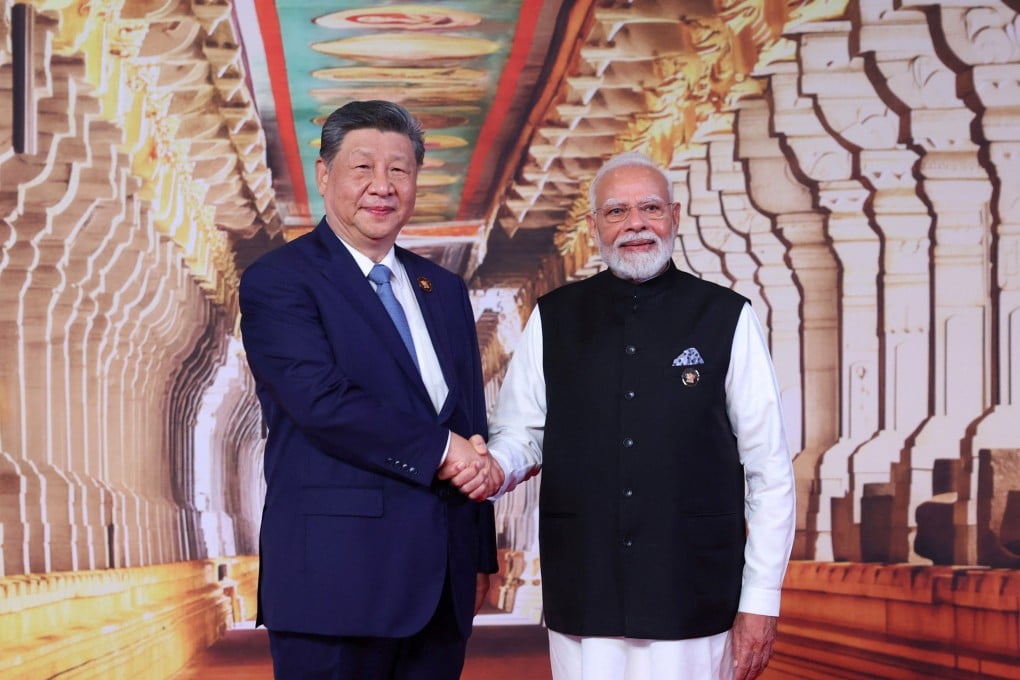
One of the most consequential developments of the summit unfolded on the sidelines, where President Xi held formal bilateral discussions with Indian Prime Minister Narendra Modi. The meeting marked the first structured, comprehensive dialogue between the leaders of the world's two most populous nations in five years, following a protracted military standoff along the Line of Actual Control in eastern Ladakh. Prior to the summit, Beijing and New Delhi reached a landmark patrolling agreement to ease front-line tensions, paving the way for the leaders to officially endorse the path toward diplomatic normalization. During their talks, Xi underscored that China and India should view each other as development partners rather than rivals, emphasizing the need for mutual trust, strategic communication, and constructive cooperation.
Beyond bilateral relations with India, Xi addressed the broader BRICS assembly with a clear call to action regarding global hotspots, particularly the ongoing conflict in the Middle East. Xi urged member nations to act as a stabilizing pillar for world peace, calling for an immediate ceasefire in Gaza, de-escalation in Lebanon, and a renewed commitment to a comprehensive two-state solution for Palestine. By positioning BRICS as an active mediator in geopolitical crises where Western diplomacy has faced scrutiny, Beijing seeks to enhance the bloc's institutional credibility as a governance mechanism capable of shaping global affairs.
Economic resilience and financial diversification also featured heavily on Xi's agenda. With international trade facing renewed headwinds and the potential return of aggressive unilateral tariffs under shifting American political leadership, emerging economies are increasingly hedging their positions. Xi advocated for deeper financial integration within BRICS, including expanding settlements in local currencies, strengthening the New Development Bank, and establishing independent payment systems to reduce vulnerability to external economic sanctions and currency volatility.
The expanded format of the summit—now encompassing new member states from the Middle East and Africa—reflected a shifting geopolitical landscape where regional powers seek strategic autonomy. By balancing diplomatic mediation in the Middle East with high-stakes border rapprochement with India, Xi Jinping's summit strategy highlighted a concerted effort to foster internal cohesion within the non-Western bloc while solidifying China's leadership among developing nations.
How do you feel about this story?
Discussion
No comments yet. Be the first to share your thoughts.
Join the discussion
Sign in to share your thoughts on this story.