BNN Summary
Prime Minister Narendra Modi and Chinese President Xi Jinping held formal bilateral talks on the sidelines of the BRICS Summit, welcoming steady progress in restoring relations following years of border tensions along the Line of Actual Control.
In-Depth Analysis
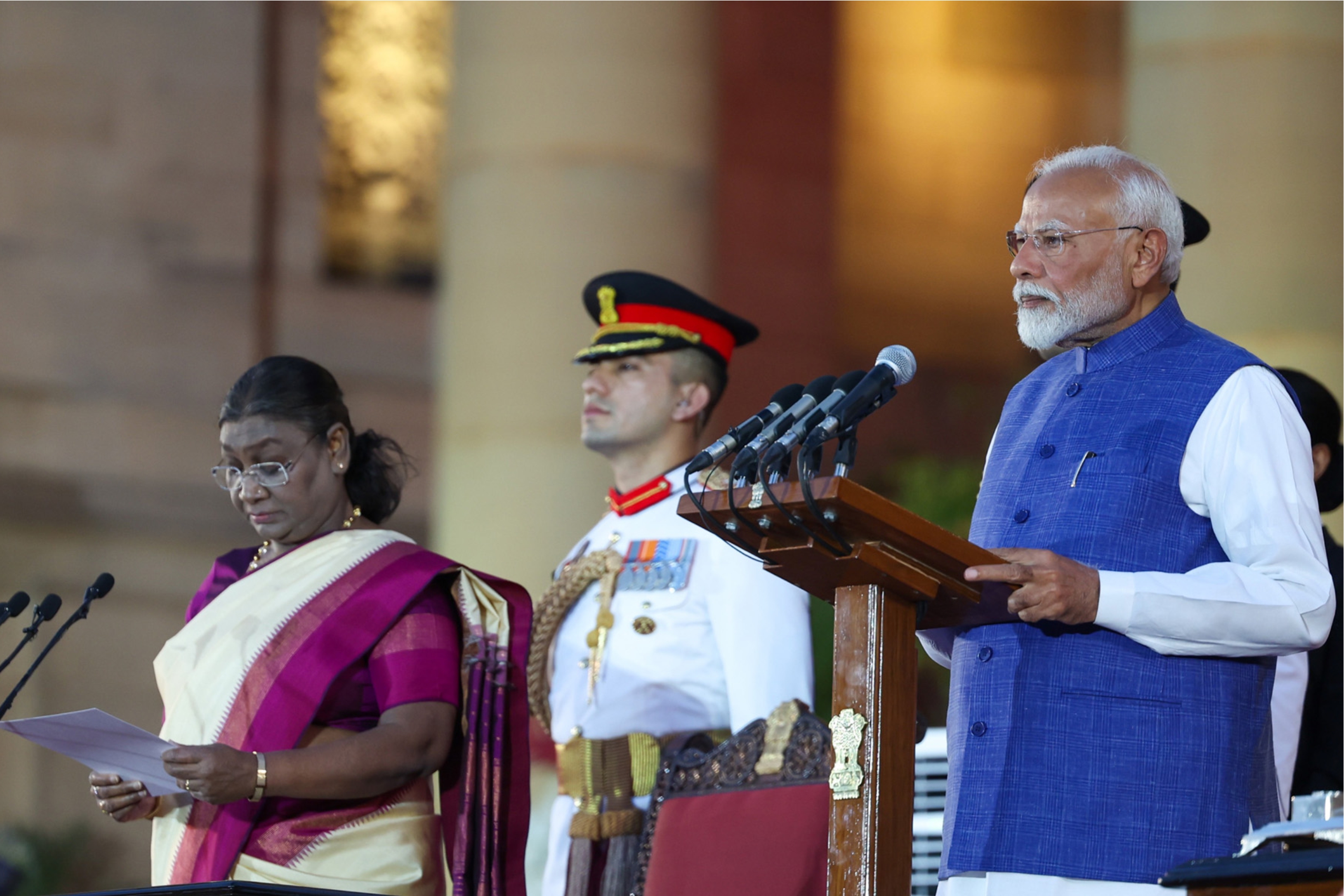
In a pivotal geopolitical development on the sidelines of the BRICS Summit, Indian Prime Minister Narendra Modi and Chinese President Xi Jinping held formal bilateral talks, welcoming the steady progress made in stabilizing bilateral ties between the world's two most populous nations. The high-stakes meeting represents the most formal engagement between the two leaders since the high-altitude military standoff along the Line of Actual Control in eastern Ladakh began in 2020. The leaders reviewed recent disengagement efforts, stressed the importance of boundary management, and discussed a constructive roadmap for restoring strategic balance across diplomatic, economic, and regional dimensions.
During the extensive dialogue, Prime Minister Modi underscored that maintaining complete peace and tranquility along the border remains an indispensable prerequisite for normalizing bilateral relations. Highlighting the fundamental guiding principles of the relationship, the Indian Prime Minister emphasized that mutual trust, mutual respect, and mutual sensitivity must serve as the bedrock for all future engagements. Both leaders endorsed the consensus recently reached by military and diplomatic negotiators regarding disengagement and patrolling arrangements along the contested border regions, viewing it as a significant step toward de-escalating long-standing military tensions.
Chinese President Xi Jinping expressed a similar commitment to rebuilding stability, noting that China and India, as two major developing countries and ancient civilizations, carry a joint responsibility to foster positive economic growth and political stability in Asia and across the broader Global South. President Xi highlighted that both nations should properly manage their differences, enhance strategic communication, and refrain from letting specific border disputes define the overarching bilateral relationship. He reiterated that cooperation between the two neighbors benefits not only their combined populations of nearly 2.8 billion people but also contributes significantly to a multipolar world order.
The military standoff in eastern Ladakh, which erupted following intense clashes in the Galwan Valley in June 2020, had brought bilateral relations to their lowest point in decades. Diplomatic channels remained strained for years, leading to strict regulatory scrutiny over economic investments, visa restrictions, and suspended direct flight routes. However, rigorous negotiation rounds involving military commanders and special representatives eventually laid the groundwork for the recent disengagement agreement. The summit meeting reflects a shared recognition that continuous hostility imposes heavy strategic and economic costs on both sides.
Looking ahead, both leaders tasked their respective Special Representatives on border affairs to convene at an early date to continue overseeing peace along the border and explore fair, reasonable, and mutually acceptable boundary solutions. Additionally, foreign ministers and key officials from both governments were directed to resume functional dialogue mechanisms across trade, culture, and multilateral cooperation. While analysts caution that complete trust-building will require sustained implementation on the ground, the positive trajectory established during the BRICS Summit offers a promising signal for de-escalation, regional economic integration, and long-term geopolitical stability across Eurasia.
How do you feel about this story?
Discussion
No comments yet. Be the first to share your thoughts.
Join the discussion
Sign in to share your thoughts on this story.