BNN Summary
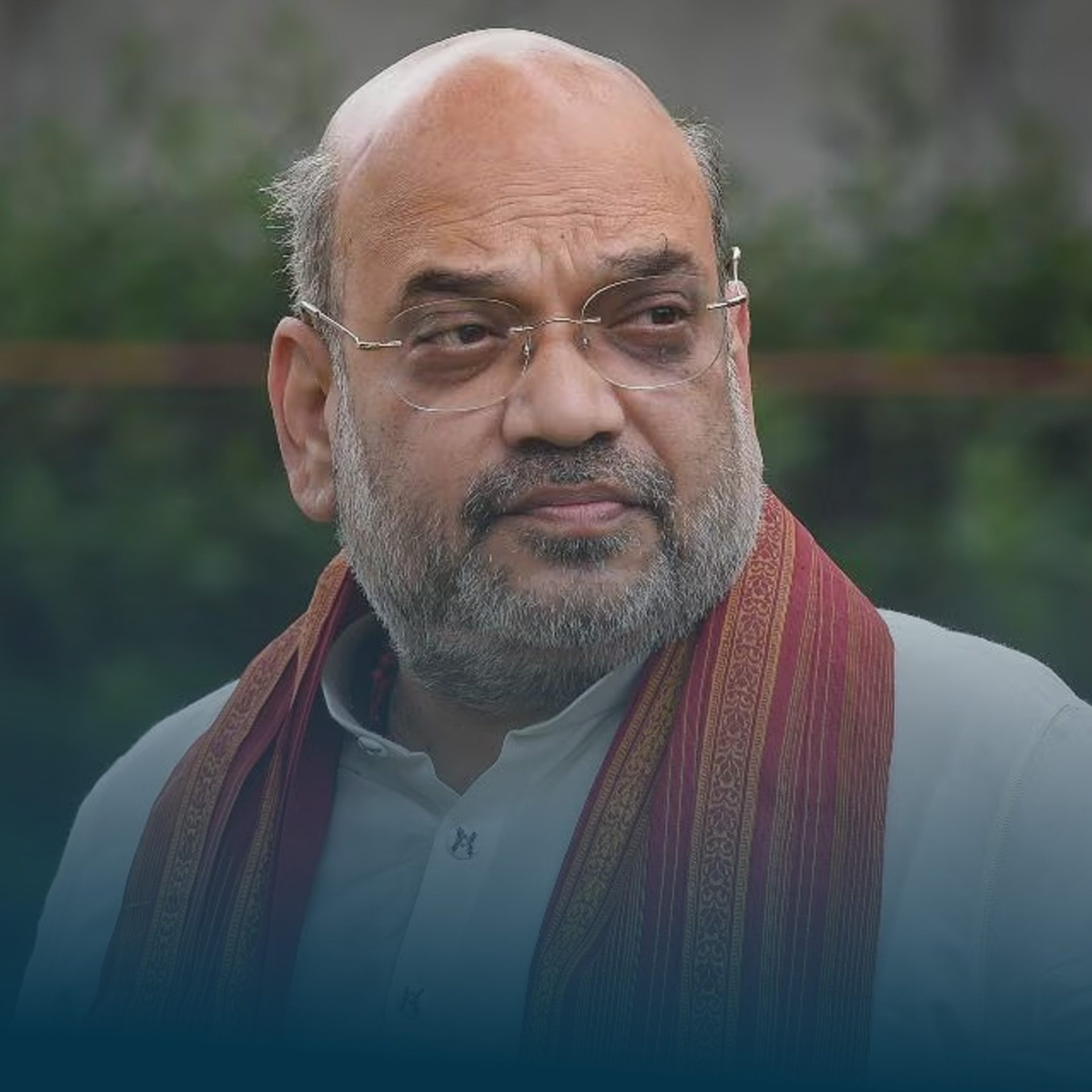
Union Home Minister Amit Shah announced that all 21 states governed by the Bharatiya Janata Party-led National Democratic Alliance will implement the Uniform Civil Code before 2029. Citing Uttarakhand as the pioneer state in adopting UCC legislation, Shah reaffirmed the coalition's resolve to reform personal laws across marriage, divorce, inheritance, and adoption nationwide.
In-Depth Analysis
In a major policy declaration that signals a defining shift in India's legal and socio-political landscape, Union Home Minister Amit Shah announced that all 21 states governed by the Bharatiya Janata Party-led National Democratic Alliance (NDA) will enact the Uniform Civil Code (UCC) before 2029. The statement reinforces the ruling coalition's long-standing commitment to establishing uniform personal laws across the country, replacing diverse religion-based personal statutes with a single legal framework governing marriage, divorce, succession, adoption, and inheritance.
Speaking on the strategic national vision of the BJP and the NDA, Amit Shah highlighted that the legal reform process is already underway, referencing Uttarakhand as the pioneer state that successfully drafted and passed comprehensive UCC legislation. According to Shah, the implementation in Uttarakhand serves as an operational benchmark for other NDA-ruled states. The initiative aims to modernize personal laws while upholding the principles of legal equality and constitutional secularism.
Understanding the Uniform Civil Code Framework
The Uniform Civil Code is rooted in Article 44 of the Directive Principles of State Policy in the Indian Constitution, which provides that the state shall endeavor to secure for the citizens a Uniform Civil Code throughout the territory of India. Historically, India has maintained distinct civil laws for different religious communities regarding family and personal matters. Proponents of the UCC argue that unified civil regulations are essential for ensuring gender justice, eliminating discriminatory practices, and fostering national integration.
Under the proposed expansion across 21 states, the uniform code will standardize legal procedures and rights in several key areas:
- Marriage and Divorce: Standardizing registration requirements, minimum age limits, and legal grounds for dissolution of marriage regardless of community background.
- Inheritance and Succession: Ensuring equal property rights for women and uniform inheritance guidelines across families.
- Adoption and Guardianship: Streamlining legal adoption frameworks to eliminate disparities based on faith.
- Maintenance and Alimony: Establishing equitable financial support measures for spouses following legal separation.
The Uttarakhand Precedent and Regional Implementation
Uttarakhand became the first state in post-independence India to pass a comprehensive UCC bill following extensive consultations by an expert committee. The state legislation introduced mandatory registration of marriages and live-in relationships, banned polygamy, and granted equal property rights to sons and daughters across all communities. Home Minister Shah signaled that this legislative framework will provide a foundational blueprint for other NDA-administered states as they draft their respective bills.
State governments led by the NDA across Western, Northern, Eastern, and Central India are expected to initiate consultation committees, legal review panels, and public feedback mechanisms to tailor the core principles to state-specific requirements where applicable.
Political Context and Legislative Timeline
The commitment to enact the Uniform Civil Code by 2029 aligns with the broader ideological objectives of the Bharatiya Janata Party. Alongside the revocation of Article 370 in Jammu and Kashmir and the construction of the Ram Temple in Ayodhya, the implementation of UCC stands as one of the central manifesto pledges of the party.
While the announcement has energized supporters of civil law reform, it has also sparked political debates across the national spectrum. Opposition parties and leaders from various political blocs have urged caution, emphasizing the need to safeguard minority rights, respect cultural pluralism, and preserve the federal structure of the nation. Critics have raised concerns over potential state-level variations and whether civil law standardization should ideally be undertaken through parliament rather than piecemeal state assemblies.
Despite political debates, the Home Ministry and NDA leadership remain steadfast in pushing forward. The target deadline of 2029 provides a structured window for state legislatures to conduct deliberations, draft bills, pass legislation, and establish administrative mechanisms required for seamless execution. As 21 states prepare to introduce these transformative measures, India stands on the threshold of a comprehensive legal evolution in its civil justice system.
How do you feel about this story?
Discussion
No comments yet. Be the first to share your thoughts.
Join the discussion
Sign in to share your thoughts on this story.