Image: Wikimedia
BNN Summary
The annual BRICS summit has officially opened in New Delhi, bringing together major emerging economies to tackle pressing global challenges, including ongoing geopolitical conflicts and growing initiatives surrounding de-dollarization. High-level diplomatic talks are underway as member nations navigate coalition unity against a backdrop of international instability.
In-Depth Analysis
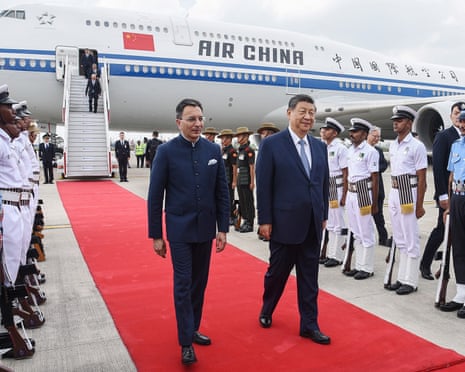
The annual BRICS summit has officially commenced in New Delhi, marking a critical juncture for the influential bloc of emerging economies as they gather to address a complex web of geopolitical conflicts, economic pressures, and strategic realignment. Leaders and top diplomats from member nations have converged in the Indian capital to deliberate on pressing global issues, with a heavy emphasis on bolstering coalition unity amidst escalating international friction and economic fragmentation.
Geopolitical Realities and Regional Security
The summit opens against the backdrop of volatile regional and global conflicts that continue to threaten international stability. Recent developments in the Middle East, including high-level discussions between top diplomats from Iran and Saudi Arabia regarding regional insecurity and the ongoing conflict in Yemen, have underscored the urgent need for multilateral diplomacy. BRICS members are utilizing the New Delhi platform to voice shared concerns over protracted conflicts and to advocate for diplomatic resolutions that respect national sovereignty while fostering regional peace.
Simultaneously, security disruptions in Southeast Asia have further complicated the global outlook. The recent temporary closure of Myanmar's Mandalay Airport following reported drone attacks by pro-democracy rebels highlights the fragile internal security conditions within key strategic corridors of the region. These developments have reinforced the urgency of the discussions in New Delhi, where delegates are evaluating mechanisms to enhance collaborative security frameworks and safeguard critical infrastructure against asymmetric threats.
The Push Toward De-Dollarization and Financial Independence
No less significant than the security agenda are the ongoing financial deliberations centered around de-dollarization. As several BRICS nations face varying degrees of economic sanctions, currency volatility, and shifting trade dynamics, the coalition has accelerated its push to reduce reliance on the US dollar in international transactions. Discussions in New Delhi are focused on expanding the use of local currencies in bilateral trade, strengthening alternative financial messaging systems, and exploring the feasibility of a robust, independent payment architecture designed to insulate member economies from external shocks.
Proponents of de-dollarization within the bloc argue that a multipolar world order requires a diversified monetary system that accurately reflects the shifting distribution of global economic power. However, bridging the differing economic priorities and regulatory frameworks of member states remains a delicate task. While nations like Russia and Iran are eager to fast-track alternative financial networks to bypass Western restrictions, others, such as India and Brazil, are adopting a more pragmatic, balanced approach that seeks to enhance financial resilience without completely severing ties with established global financial structures.
Coalition Unity and Future Outlook
As the summit progresses, maintaining coalition unity remains a paramount objective. The inclusion of new members in recent years has expanded the geopolitical footprint of BRICS, transforming it into a more representative voice for the Global South. Yet, this expansion also introduces diverse national interests that can occasionally strain consensus on contentious issues. Observers and policymakers alike are closely monitoring the outcomes of the New Delhi summit to gauge how effectively the bloc can reconcile these internal differences and present a unified front on trade, climate action, and institutional reform of global governance bodies like the United Nations and the International Monetary Fund.
The coming days of high-level negotiations will test the diplomatic agility of the member states as they strive to balance national ambitions with collective solidarity. The decisions and declarations emerging from New Delhi are expected to shape the trajectory of international economic policy and geopolitical alignment for the foreseeable future, signaling whether BRICS can successfully evolve from a loose coalition of emerging markets into a cohesive geopolitical counterbalance on the world stage.
How do you feel about this story?
Discussion
No comments yet. Be the first to share your thoughts.
Join the discussion
Sign in to share your thoughts on this story.