BNN Summary
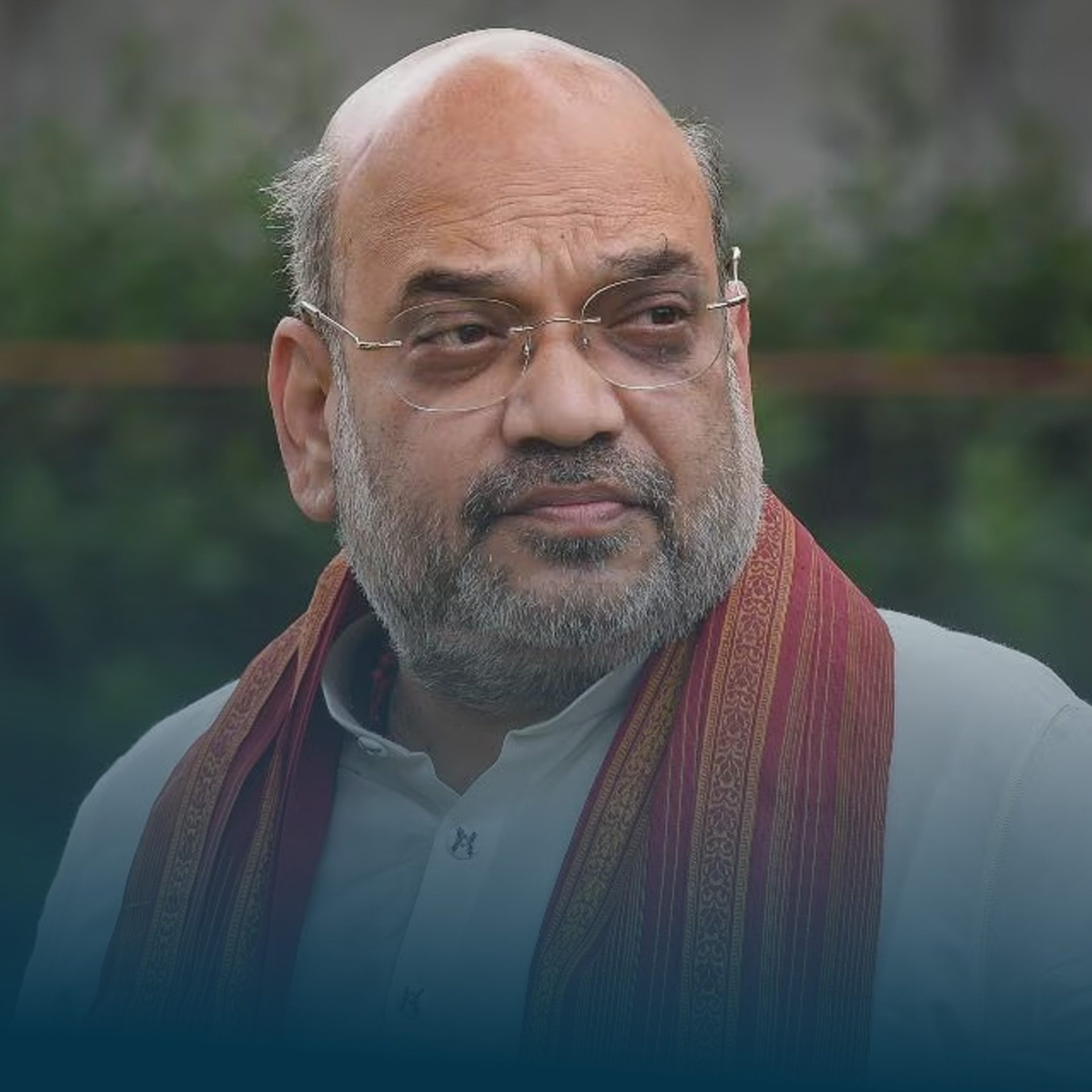
Union Home Minister Amit Shah stated that Prime Minister Narendra Modi has dismantled decades of casteism, corruption, and dynastic politics in India. Emphasizing a decisive transition to the politics of performance, Shah announced a nationwide campaign highlighting administrative accomplishments, transparent welfare delivery, economic resilience, and infrastructural modernization over the past decade.
In-Depth Analysis
Union Home Minister Amit Shah declared that Indian politics has undergone an epochal transformation over the past decade, shifting decisively away from entrenched practices of dynastic rule, caste-based appeasement, and systemic corruption toward a merit-oriented 'politics of performance.' Addressing public gatherings and outlining upcoming organizational outreach initiatives, Shah emphasized that Prime Minister Narendra Modi has redefined democratic accountability and governance benchmarks across the nation.
According to Shah, the pre-2014 political landscape was largely dominated by vote-bank politics, policy paralysis, and deep-seated institutional corruption that alienated ordinary citizens from the development process. Over the last ten years, however, the central government has instituted a transparent administrative model where policy outcomes, timely project execution, and direct public benefit delivery determine political legitimacy.
Dismantling the Triad of Corruption, Casteism, and Dynastic Politics
In his remarks, Shah noted that for decades following Independence, Indian democracy struggled under the weight of three systemic ailments: dynasty-driven party structures, divisive caste equations, and pervasive graft. He asserted that the Modi administration successfully dismantled this triad by replacing entitlement with meritocracy and rhetoric with measurable performance.
'Prior to 2014, governments functioned on the basis of caste arithmetic and appeasement rather than developmental competence. Today, the yardstick of governance is delivery, integrity, and public service,' Shah stated, underscoring that voters now reward political parties based on tangible development metrics rather than identity politics.
Welfare Delivery and Digital Governance
The Union Home Minister highlighted key milestones achieved through direct benefit transfers (DBT) and digital public infrastructure, which eliminated middlemen and leakages in public welfare schemes. Programs providing targeted financial support, subsidized housing, tap water connectivity, sanitation facilities, free healthcare access under Ayushman Bharat, and national food security have reached hundreds of millions of underprivileged households without administrative discrimination.
Shah observed that leveraging technology has fundamentally empowered the poorest sections of society, fostering genuine trust between the citizenry and the state machinery. Furthermore, strategic economic reforms have propelled India to become the fifth-largest economy globally, with steady progress toward securing the third spot in the coming years.
Nationwide Outreach Campaign
To institutionalize this governance paradigm and communicate key milestones directly to the electorate, Shah announced a nationwide outreach campaign. The campaign aims to engage grassroots communities, youth, and civic leaders across every state and union territory. It will showcase comparative developmental indicators, economic milestones, and strategic achievements secured under the current administration.
Concluding his address, Shah reaffirmed that the ultimate objective of this governance model is realizing the vision of 'Viksit Bharat' (Developed India) by 2047. He urged citizens and party workers to remain focused on nation-building, administrative transparency, and social unity to ensure India's sustained global ascendancy.
How do you feel about this story?
Discussion
No comments yet. Be the first to share your thoughts.
Join the discussion
Sign in to share your thoughts on this story.