Image: Wikipedia
BNN Summary
Recent international developments highlight mounting geopolitical tensions as global leaders navigate complex diplomatic landscapes, particularly concerning ongoing conflicts in Eastern Europe and shifting alliances involving major powers like Russia, China, and India, while the looming prospect of renewed American foreign policy under Donald Trump influences strategic calculations worldwide.
In-Depth Analysis
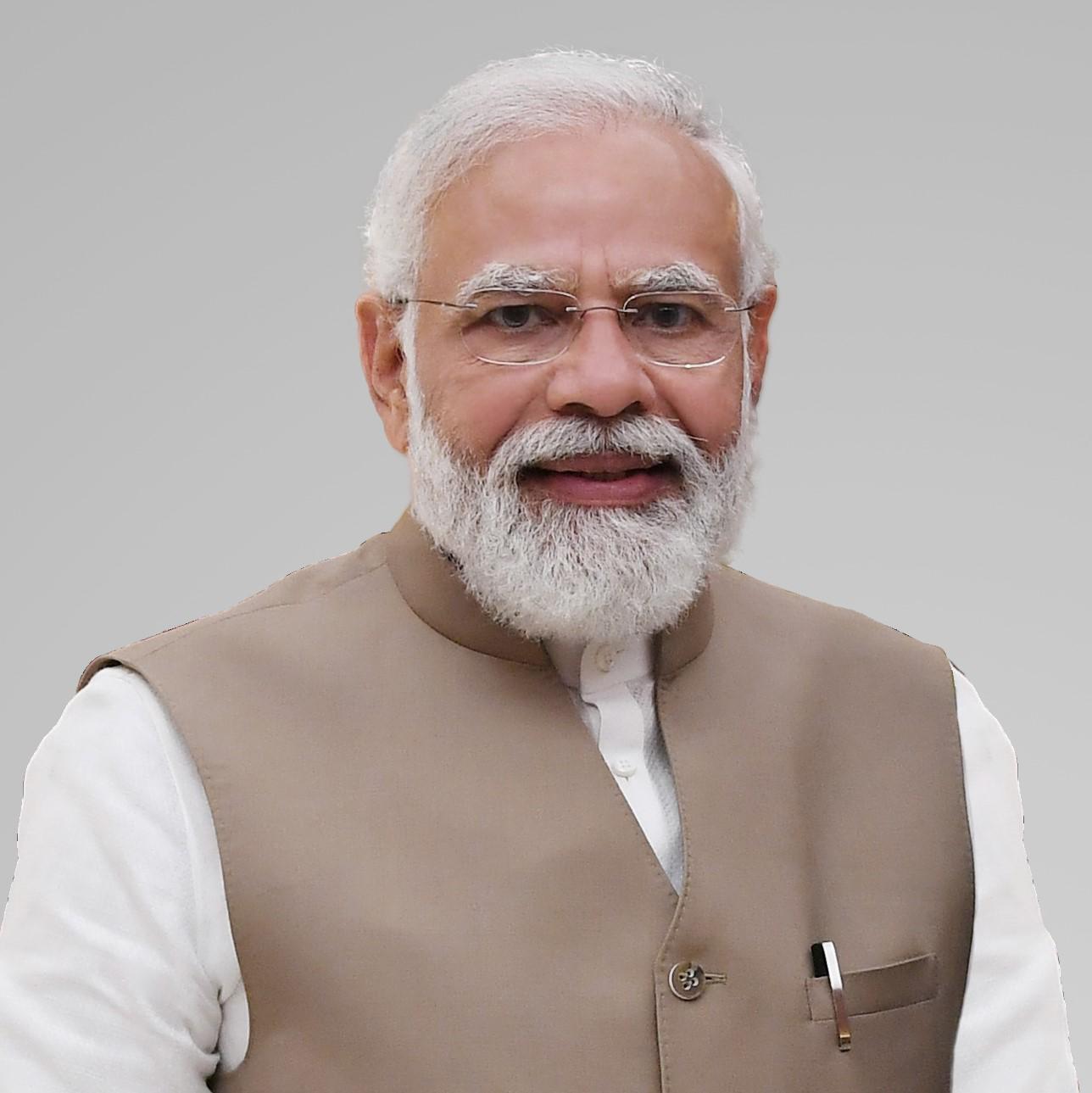
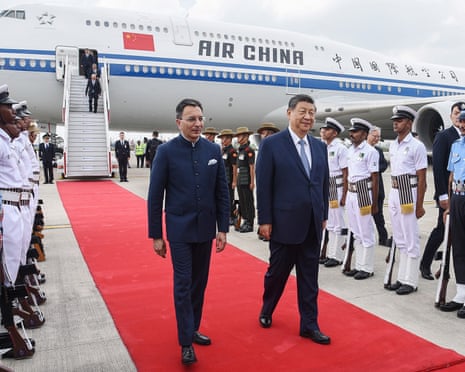
The international diplomatic arena is currently experiencing a profound period of realignment, marked by strategic maneuvers among major global powers and the pervasive shadow of shifting leadership in the United States. Recent reports underscore how diplomatic engagements, such as high-profile summits hosted by Prime Minister Narendra Modi with leaders like Russian President Vladimir Putin and Chinese President Xi Jinping in New Delhi, are increasingly viewed through the lens of a changing American foreign policy landscape. The prospect of Donald Trump returning to the White House and his stated intentions regarding the conflict in Ukraine have introduced significant uncertainty into traditional alliances and multilateral frameworks.
Analysts note that while international platforms like the BRICS grouping strive to project a unified alternative to Western-dominated institutions, underlying geopolitical rivalries and divergent national interests often complicate these aspirations. The complex dynamics between India, China, and Russia reflect a pragmatic approach to global governance, where shared economic and strategic goals frequently coexist with intense regional competition. For instance, managing bilateral ties with Moscow while navigating deepening strategic partnerships with Washington remains a delicate balancing act for New Delhi, which aims to maintain strategic autonomy in an increasingly multipolar world.
Simultaneously, diplomatic efforts aimed at resolving the protracted conflict in Ukraine face severe headwinds. Proposals for sudden diplomatic breakthroughs or peace negotiations promoted by incoming American administrations are frequently undermined by ground realities and uncompromising stances from the belligerent parties. Observers and foreign policy experts warn against the dangerous fantasy of seeking quick-fix solutions that fail to address the fundamental security concerns and territorial integrity issues at the heart of the crisis. Vladimir Putin's government continues to pursue its strategic objectives in Ukraine with calculated resilience, signaling little inclination toward concessions that would fall short of its maximalist war aims.
European allies and NATO members are similarly grappling with the implications of potential shifts in Washington's commitment to transatlantic security. The debate over burden-sharing and the long-term viability of military and financial aid to Kyiv has intensified, forcing European capitals to reconsider their own defense capabilities and strategic autonomy. This atmosphere of strategic ambiguity creates opportunities for rival powers to expand their influence in the Global South, where many nations remain skeptical of Western priorities and are eager to diversify their diplomatic and economic partnerships.
Ultimately, the convergence of these diverse global threads illustrates a world in transition. As traditional norms of international diplomacy are tested by revisionist powers and populist political movements, global stability increasingly hinges on the ability of middle powers to navigate intersecting crises without exacerbating great power competition. The coming months will likely test the resilience of international institutions and the adaptability of foreign ministries worldwide as they confront an unpredictable geopolitical future.
How do you feel about this story?
Discussion
No comments yet. Be the first to share your thoughts.
Join the discussion
Sign in to share your thoughts on this story.