BNN Summary
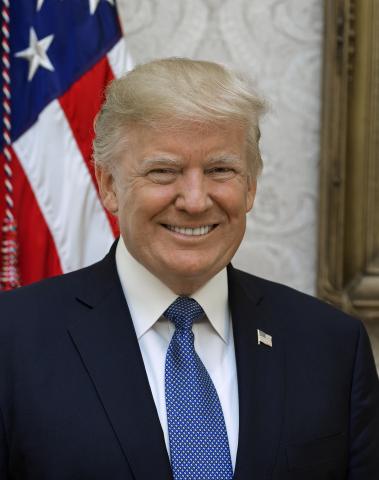
Former United States President Donald Trump addressed the United Nations General Assembly, emphasizing his signature 'America First' policy agenda. The speech sparked intense debate among international allies and critics alike, raising critical questions about the future trajectory of global leadership, multilateral diplomacy, and American foreign policy commitments on the world stage.
In-Depth Analysis
The annual gathering of world leaders at the United Nations General Assembly served as a major diplomatic platform for Donald Trump to reiterate his core foreign policy doctrines. Centered heavily around the 'America First' philosophy, the address challenged traditional notions of globalism and multilateral cooperation that have long defined post-World War II international relations. As international diplomats and foreign delegates listened closely, the speech highlighted a distinct shift in how Washington views its role within global institutions.
Throughout his address, Trump emphasized national sovereignty, economic nationalism, and the reduction of foreign aid dependencies. He argued that international agreements must strictly serve the immediate interests of American citizens rather than abstract global objectives. This perspective resonated strongly with his domestic base, but it drew cautious responses and quiet concern from longtime European and Asian allies who rely heavily on American security guarantees and multilateral frameworks. Allies walked a diplomatic tightrope, publicly reaffirming the importance of transatlantic alliances while privately questioning the long-term reliability of Washington's commitments.
A central theme of the address was trade policy and the renegotiation of international treaties. Trump criticized various global trade pacts, arguing that they have historically disadvantaged American workers and allowed foreign nations to take advantage of the United States open economy. By leveraging tariffs and bilateral trade negotiations, the administration sought to restructure global supply chains and bring manufacturing jobs back to American soil. Critics, however, warned that such protectionist measures risk triggering trade wars, disrupting global economic stability, and undermining the authority of international arbitration bodies such as the World Trade Organization.
Beyond economic policy, the speech touched upon major geopolitical hotspots, including the Middle East and ongoing conflicts across various regions. Commenting on regional tensions, Trump notably claimed that foreign adversaries such as Iran were deliberately waiting out current political cycles in the hope of securing more favorable terms later. This assertion added to the already palpable tension within diplomatic circles, where policymakers debated the effectiveness of maximum pressure campaigns versus traditional diplomatic engagement.
The reaction from the international community was deeply polarized. Developing nations expressed apprehension regarding potential cuts to foreign assistance and climate funding, while nationalist movements in various countries found inspiration in Trump's uncompromising rhetoric regarding national borders and cultural sovereignty. Foreign policy experts noted that the speech underscored a broader transition toward a multipolar world order, where traditional superpowers are increasingly challenged by regional powers and shifting economic alliances.
Ultimately, the address at the United Nations encapsulated the ongoing ideological struggle within contemporary geopolitics. It forced international leaders to confront a rapidly changing diplomatic landscape where conventional norms are frequently questioned and bilateral deal-making often supersedes multilateral consensus. As nations digest the implications of this 'America First' posture, the long-term impact on global alliances, international trade, and collective security architecture remains a subject of intense global debate among analysts, historians, and policymakers alike.
How do you feel about this story?
Discussion
No comments yet. Be the first to share your thoughts.
Join the discussion
Sign in to share your thoughts on this story.