BNN Summary
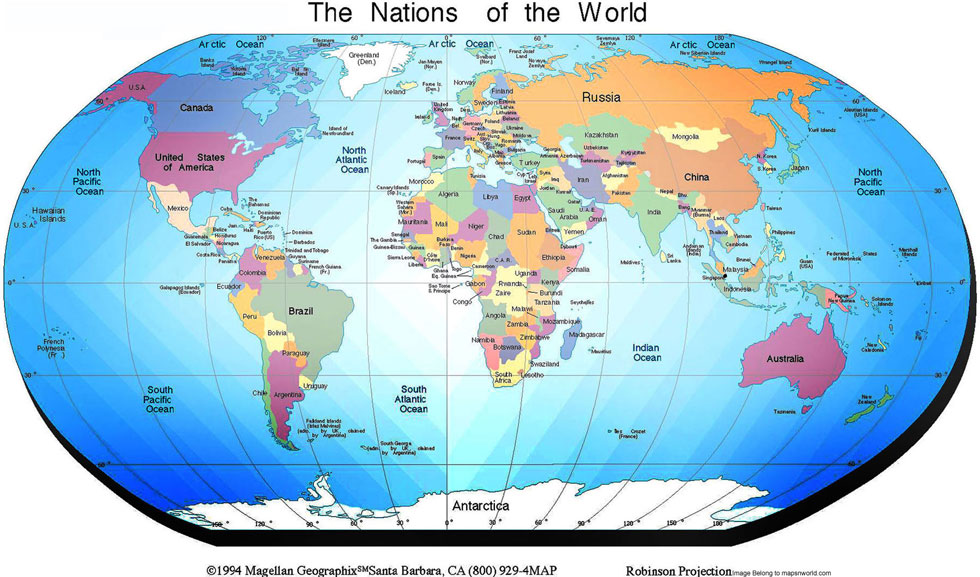
Australian Prime Minister Anthony Albanese has delivered a stern warning that the current international global order is not fit for purpose. Speaking on the international stage, he emphasized that the Indo-Pacific region must not be treated as a geopolitical chessboard for major superpowers like the United States and China.
In-Depth Analysis
The geopolitical landscape of the Indo-Pacific region has entered a highly sensitive phase as global powers vie for strategic influence, maritime dominance, and economic supremacy. Amidst rising tensions, Australian Prime Minister Anthony Albanese has issued a sweeping critique of the international architecture, declaring that the current global order is 'not fit for purpose' to handle contemporary challenges.
A Warning Against Superpower Chessboards
Speaking at a prominent regional forum, the Australian leader strongly cautioned both the United States and China against treating the Indo-Pacific as a strategic chessboard. He asserted that smaller and middle-power nations within the region possess their own agency, sovereignty, and distinct economic interests, which should not be undermined by the competitive friction of Washington and Beijing.
'The Indo-Pacific is home to vibrant, sovereign nations that deserve respect and autonomy. It is not a theater for great power competition or a chessboard where external superpowers can move pieces at their whim,' Albanese stated during his keynote address.
Pressures On Regional Stability
Over the past several years, the Indo-Pacific has witnessed a significant military build-up, heightened naval patrols in contested waters, and fierce economic competition. Nations across Southeast Asia and the Pacific Islands have repeatedly expressed anxiety over being forced to choose sides between the world's two largest economies.
Prime Minister Albanese reiterated Canberra's commitment to maintaining a stable, open, and inclusive region governed by international rules and norms rather than the might of the strongest actors. He emphasized that multilateral institutions, established decades ago, require urgent structural reforms to better reflect the realities of the twenty-first century and to effectively manage modern crises ranging from climate change to supply chain vulnerabilities.
Strengthening Diplomatic Engagement
In response to these unfolding geopolitical pressures, Australia has actively stepped up its diplomatic and economic engagement with Pacific Island nations and Southeast Asian partners. By fostering deeper trade ties, offering development assistance, and promoting maritime security cooperation, Canberra aims to provide a reliable alternative to coercive economic practices and aggressive military posturing.
Observers note that Albanese's remarks strike a delicate balance. While Australia remains a staunch security ally of the United States through frameworks such as the AUKUS pact and the Quad, it also recognizes the critical importance of maintaining stable and constructive economic relations with China, its largest trading partner.
As diplomatic maneuvers continue across the region, the prime minister's intervention serves as a timely reminder that the voices of middle powers and smaller nations must be heard in shaping the future security architecture of the Indo-Pacific.
How do you feel about this story?
Discussion
No comments yet. Be the first to share your thoughts.
Join the discussion
Sign in to share your thoughts on this story.