BNN Summary
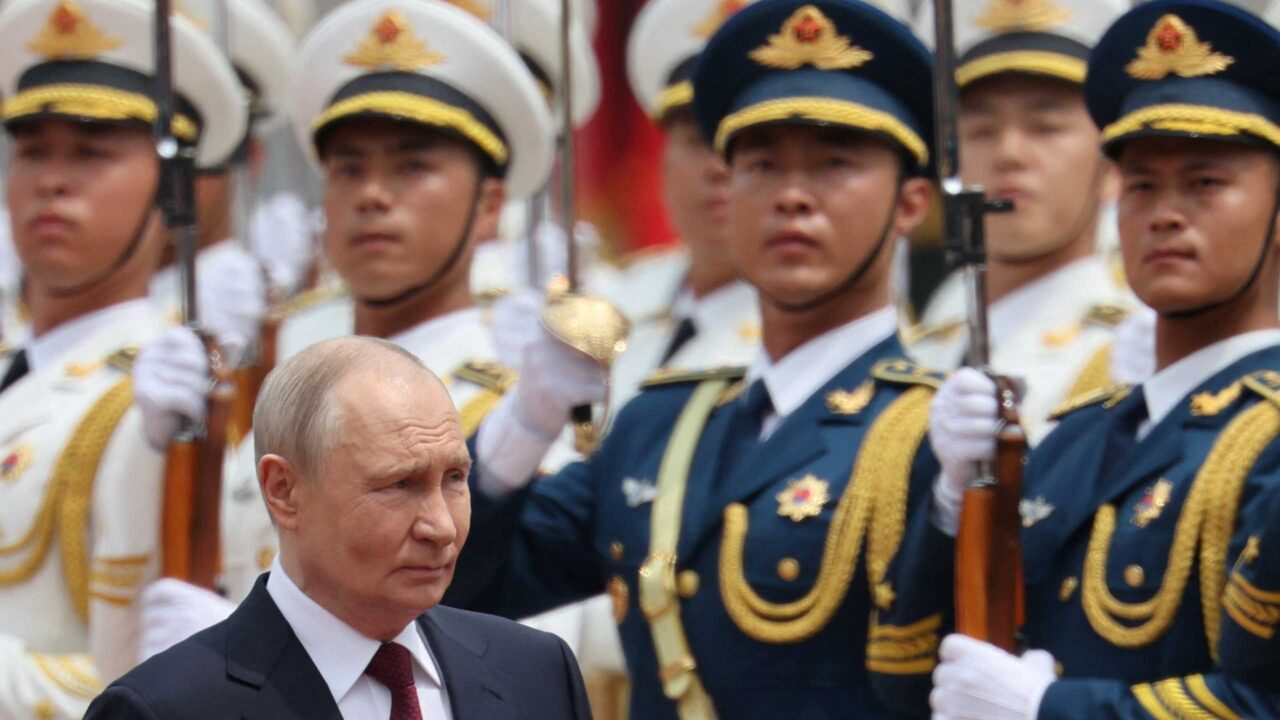
Ahigh-ranking NATO commander has cautioned that Russian President Vladimir Putin is adopting a more cavalier and risk-tolerant posture as the war in Ukraine extends over a prolonged period. This shift raises significant security concerns for neighboring European nations and the broader international community, as unpredictable escalation risks mount amid ongoing military attrition.
In-Depth Analysis
As the protracted conflict in Ukraine grinds through months of intense attrition and shifting battle lines, a senior NATO commander has issued a stark warning regarding the evolving mindset of Russian President Vladimir Putin. According to alliance intelligence and strategic assessments, the Russian leader is demonstrating an increasingly cavalier attitude toward military risk, displaying a willingness to embrace dangerous escalations that could destabilize wider European security.
Defense analysts and military strategists within the alliance note that the prolonged nature of the war has fundamentally altered Moscow's calculus. Initially characterized by calculated maneuvers and rigid adherence to phased military objectives, Russian leadership now appears more inclined toward high-stakes gambles. This shift is manifested in repeated disregard for conventional diplomatic red lines, intensified aerial bombardments targeting critical civilian infrastructure, and persistent rhetorical saber-rattling involving strategic nuclear capabilities.
The senior commander emphasized that this growing appetite for risk is not merely a sign of desperation, but rather a calculated gamble that Western resolve will eventually fracture under the weight of sustained economic pressure, political fatigue, and humanitarian concerns. By absorbing massive losses in personnel and equipment, the Kremlin is banking on its ability to outlast democratic coalitions whose political landscapes are subject to electoral cycles and public dissent.
In response to these emerging threats, NATO has continuously recalibrated its deterrence posture. Alliance members have significantly reinforced their eastern flank, deploying multinational battlegroups from the Baltic states down to the Black Sea region. Intelligence-sharing mechanisms have been enhanced to provide real-time warnings of any unconventional movements or provocative maneuvers near allied borders. Furthermore, member states are ramping up domestic defense production to ensure a steady supply of advanced munitions, air defense systems, and heavy weaponry to Ukrainian forces.
Despite these robust defensive preparations, military officials remain deeply concerned about the potential for miscalculation. In an environment where communication channels between Moscow and Western capitals are severely degraded, the margin for error is razor-thin. A stray missile, an unauthorized tactical escalation, or a misunderstanding of intent could trigger a direct confrontation between nuclear-armed powers.
Diplomatic efforts continue to run parallel to military deterrence, though prospects for a negotiated settlement appear distant. Western leaders maintain that any lasting peace must respect Ukraine's territorial integrity and sovereignty, while Moscow continues to pursue maximalist objectives. As long as President Putin perceives that the benefits of continued aggression outweigh the immediate costs, the security architecture of Europe will remain under severe strain, requiring constant vigilance and unity from the NATO alliance.
How do you feel about this story?
Discussion
No comments yet. Be the first to share your thoughts.
Join the discussion
Sign in to share your thoughts on this story.