BNN Summary
An in-depth examination of Beijing's modern diplomatic strategy reveals deep historical roots, moving from a self-perceived civilization-state to the ancient concept of Tianxia, while navigating complex contemporary international relations, global summits, and shifting energy paradigms across the developing world.
In-Depth Analysis
Modern international relations are increasingly shaped by the strategic trajectory of Beijing, whose foreign policy cannot be understood solely through Western theoretical frameworks like realism or liberalism. Instead, scholars and geopolitical analysts are turning their attention to deep-seated historical constructs, specifically the transition of China from a traditional civilization-state to the ancient, all-encompassing worldview known as Tianxia, which translates to 'all under heaven.' This philosophical bedrock fundamentally influences how leadership in Beijing perceives its role in global governance, regional security, and economic partnerships.
At the core of the civilization-state concept is the idea that China is not merely a nation-state in the Westphalian sense, but a continuous civilization spanning millennia. This self-perception grants its policymakers a unique sense of historical destiny and cultural pride. When combined with the Tianxia worldview, foreign policy ceases to be just about balancing power or securing borders. Instead, it frames global order in hierarchical yet harmonious terms, where Beijing naturally assumes a central gravitational pull. This perspective explains the persistence of initiatives that seek to connect nations through infrastructure and trade, such as the Belt and Road Initiative, which modernizes ancient tributary frameworks into contemporary economic networks.
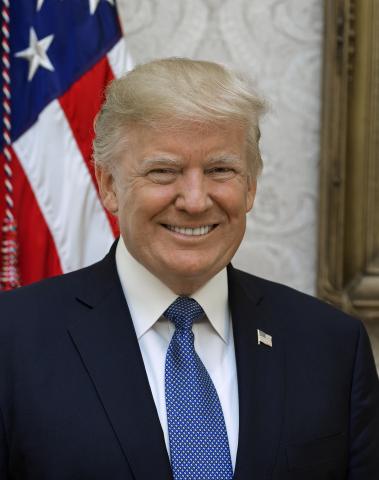
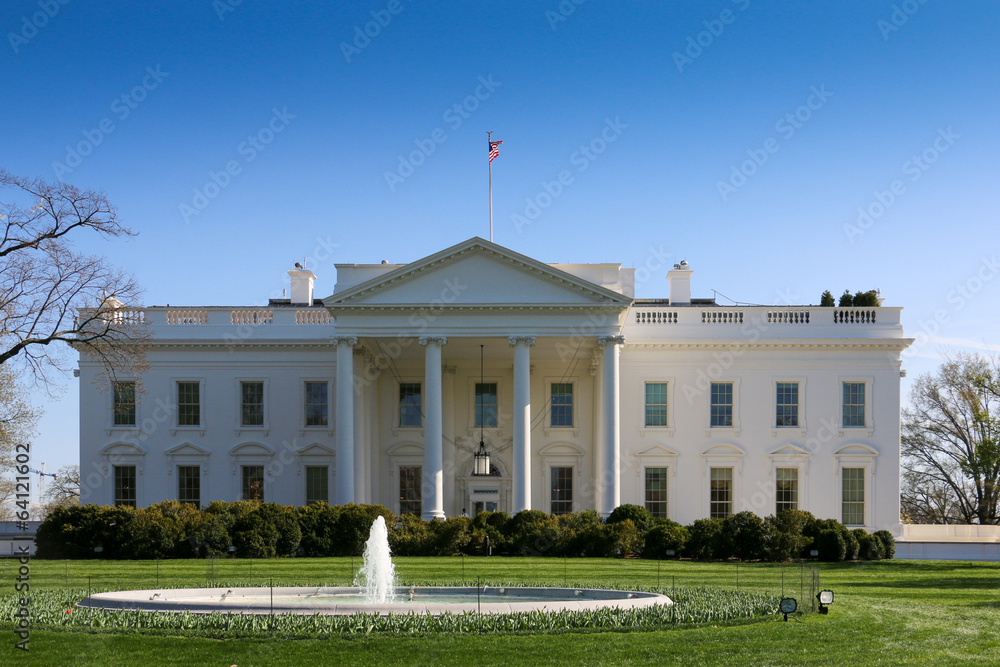
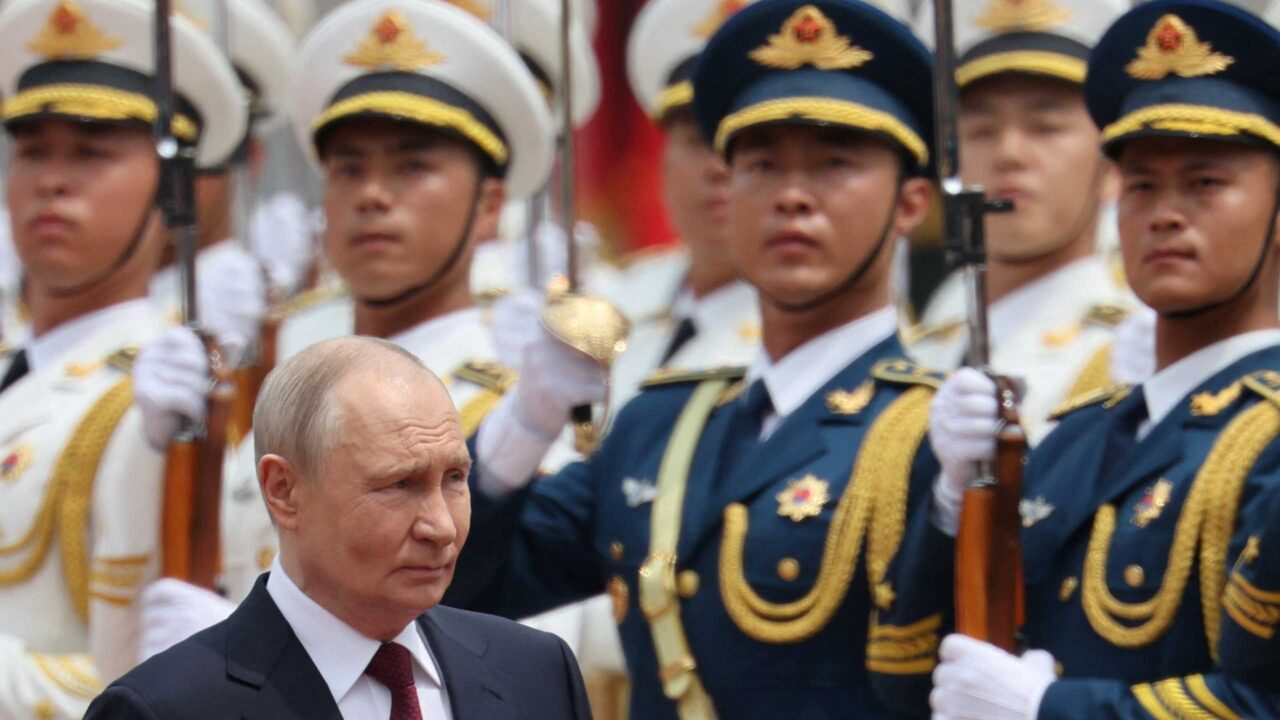
However, translating an ancient philosophical worldview into actionable 21st-century diplomacy involves profound contradictions. This tension is particularly visible in high-stakes bilateral engagements, such as summits between top-tier global leaders, including interactions involving Beijing and Washington. Observers frequently note the doctrine of reciprocity, which is selectively applied. While demanding equal access and respect for its sovereignty on international stages, Beijing often maintains state-directed protections and strategic advantages at home. This dual approach creates friction with market-driven economies that advocate for a level playing field, leading to ongoing trade disputes, technological decoupling, and diplomatic standoffs.
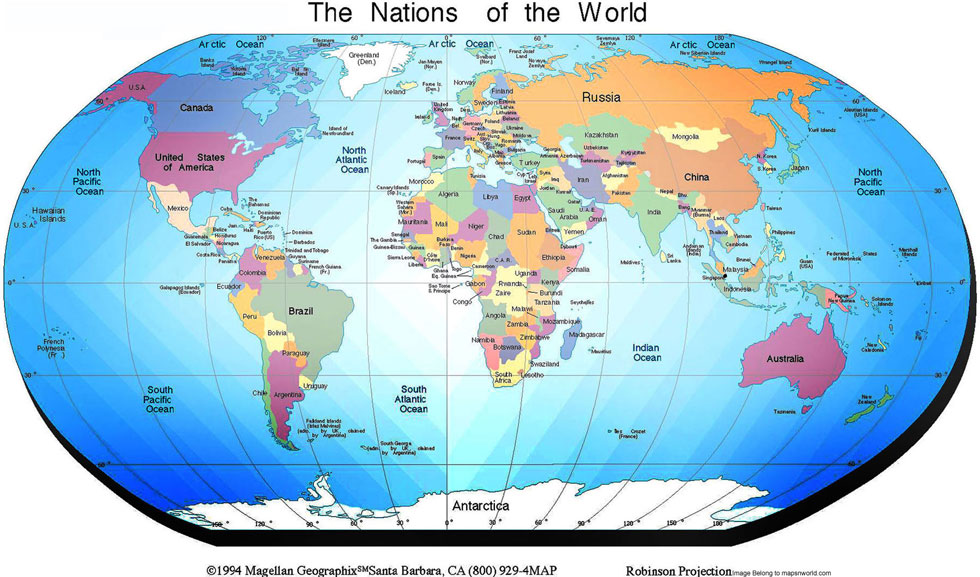
Beyond bilateral tensions with Western powers, the impact of this expansive foreign policy strategy reverberates across the Global South, particularly in regions rich in natural resources such as Africa. Recent discussions surrounding continental energy security highlight the complex dependencies that emerge when developing nations partner with Beijing for infrastructure funding and resource extraction. While these partnerships provide much-needed capital and rapid development, local policymakers are increasingly urged to prioritize indigenous energy security and sustainable long-term growth. Nations across the African continent must carefully balance incoming investments with local autonomy to ensure that external geopolitical strategies do not compromise domestic stability and energy independence.
Ultimately, understanding the mechanics of contemporary geopolitics requires looking beyond immediate headlines to grasp the historical philosophies driving major global players. Whether analyzing high-level diplomatic summits, trade negotiations, or multi-continental energy corridors, the interplay between ancient worldviews and modern statecraft remains the defining feature of twenty-first-century international relations. As Beijing continues to assert its vision for global order, the international community must adapt to a multipolar reality where different civilizations project distinct philosophies onto the global stage.
How do you feel about this story?
Discussion
No comments yet. Be the first to share your thoughts.
Join the discussion
Sign in to share your thoughts on this story.