BNN Summary
During a high-stakes address at the United Nations, Donald Trump outlined a militant foreign-policy vision, explicitly warning that he would completely annihilate Iran if a comprehensive peace deal is not reached. The aggressive rhetoric highlights a dramatic escalation in international diplomatic tensions and underscores a winner-takes-all geopolitical strategy on the global stage.
In-Depth Analysis
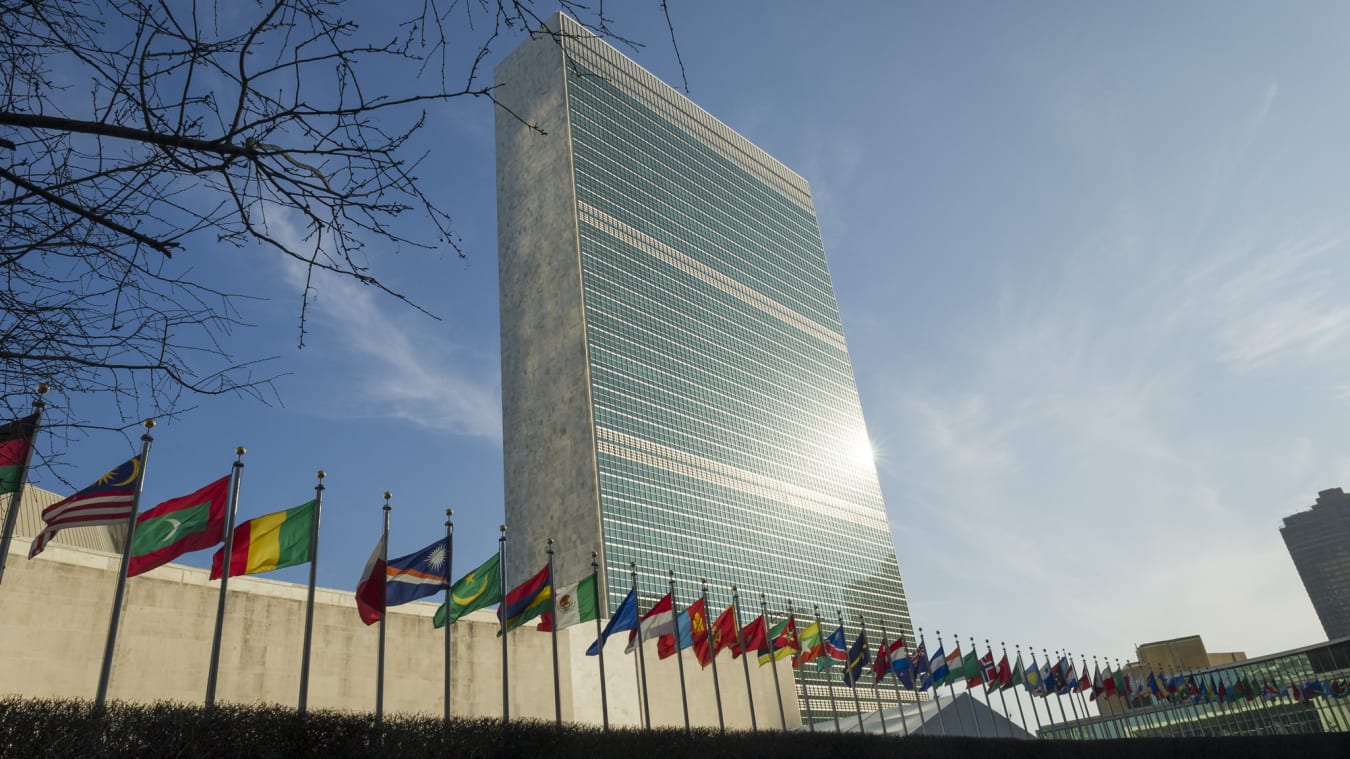
Former United States President Donald Trump delivered a fiery and uncompromising address at the United Nations, using the global diplomatic stage to outline a stark foreign-policy vision characterized by aggressive bargaining and military threats. The centerpiece of his remarks was a severe ultimatum directed at the Iranian government, wherein Trump warned that he could completely 'annihilate' the nation if Tehran refuses to negotiate a comprehensive peace deal under American terms.
The speech immediately drew sharp reactions from international diplomats and foreign policy experts alike. By framing global diplomacy through a lens of absolute dominance and transactional ultimatums, Trump signaled a potential return to a maximum-pressure strategy that defined much of his previous administration's Middle Eastern policy. Observers noted that the rhetoric departed significantly from the traditional, consensus-building language typically employed at the United Nations General Assembly.
A Winner-Takes-All Geopolitical Strategy
In his detailed presentation of international affairs, Trump emphasized a winner-takes-all approach to global conflicts and trade disputes. He argued that conventional diplomatic efforts have consistently failed to secure lasting peace or protect American interests abroad. Instead, he championed the use of overwhelming economic leverage coupled with credible military threats as the most effective tools for compelling hostile nations to the negotiating table.
'Either we achieve a lasting, verifiable peace through strength, or the consequences for our adversaries will be absolute and total destruction,' Trump declared to a tense and silent assembly hall. His remarks on Iran were particularly unambiguous, leaving little room for diplomatic ambiguity or gradual escalation. He insisted that Tehran must abandon its nuclear ambitions and regional proxy activities immediately, or face military repercussions of unprecedented scale.
International Fallout and Diplomatic Repercussions
The reaction from international allies and adversaries was swift. European diplomats expressed deep concern over the inflammatory nature of the speech, warning that such aggressive rhetoric could severely undermine ongoing, delicate back-channel negotiations aimed at de-escalating tensions in the Middle East. Conversely, hardline factions in various capitals viewed the statements as a clear demonstration of resolve, albeit a dangerous one that increases the immediate risk of accidental military escalation.
United Nations officials struggled to manage the diplomatic fallout immediately following the session. While the organization serves as a forum for peaceful dialogue, Trump used the podium to project an image of unilateral strength, bypassing traditional multilateral frameworks in favor of bilateral coercion. Analysts suggest this strategy is designed to appeal directly to his domestic political base, demonstrating toughness on national security issues while simultaneously rattling foreign capitals.
Implications for Global Stability
As the ripples of the speech continue to reverberate through international policy circles, governments around the world are reassessing their strategic alignments and contingency plans. The explicit threat of annihilation directed at a sovereign nation raises profound questions about the future of international law, the efficacy of the United Nations as a peace-keeping body, and the stability of global energy markets.
With the stakes higher than ever, the international community remains on high alert. Whether the aggressive ultimatum will force Iran back to the negotiating table or instead provoke a dangerous cycle of retaliation remains to be seen. What is clear, however, is that Trump has firmly re-established a hardline foreign-policy doctrine that prioritizes maximum pressure over traditional diplomacy.
How do you feel about this story?
Discussion
No comments yet. Be the first to share your thoughts.
Join the discussion
Sign in to share your thoughts on this story.