BNN Summary
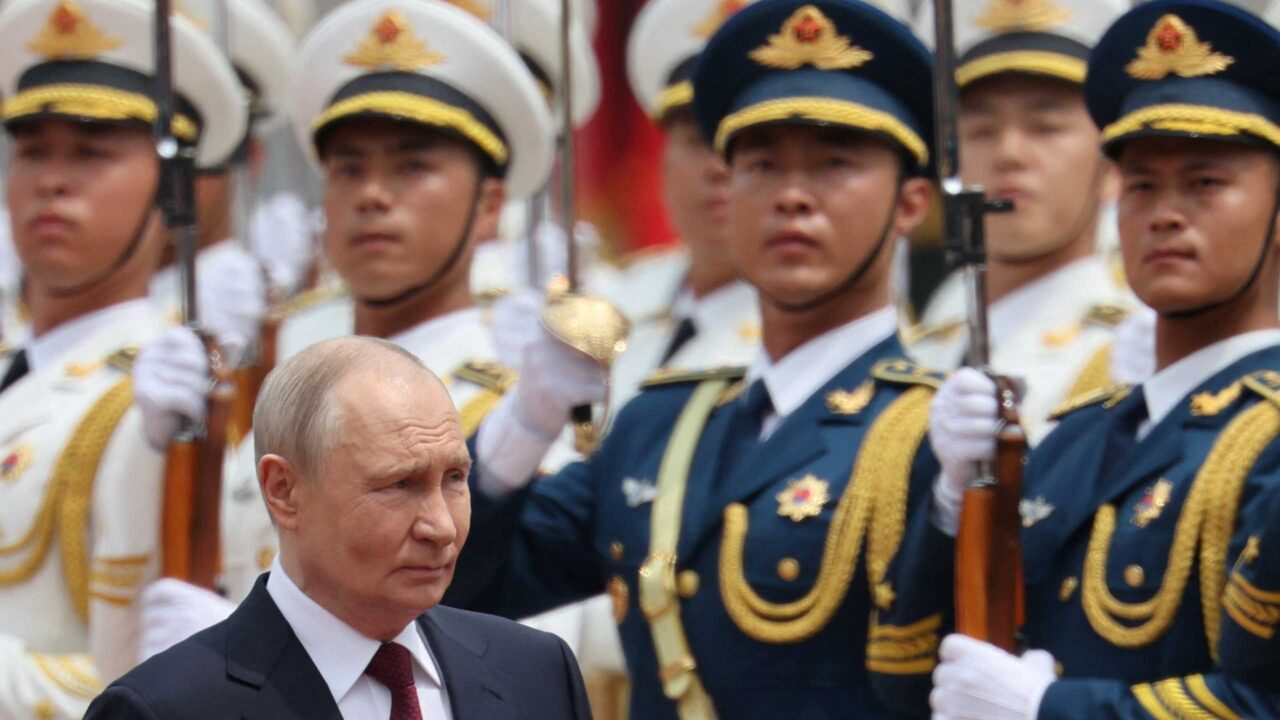
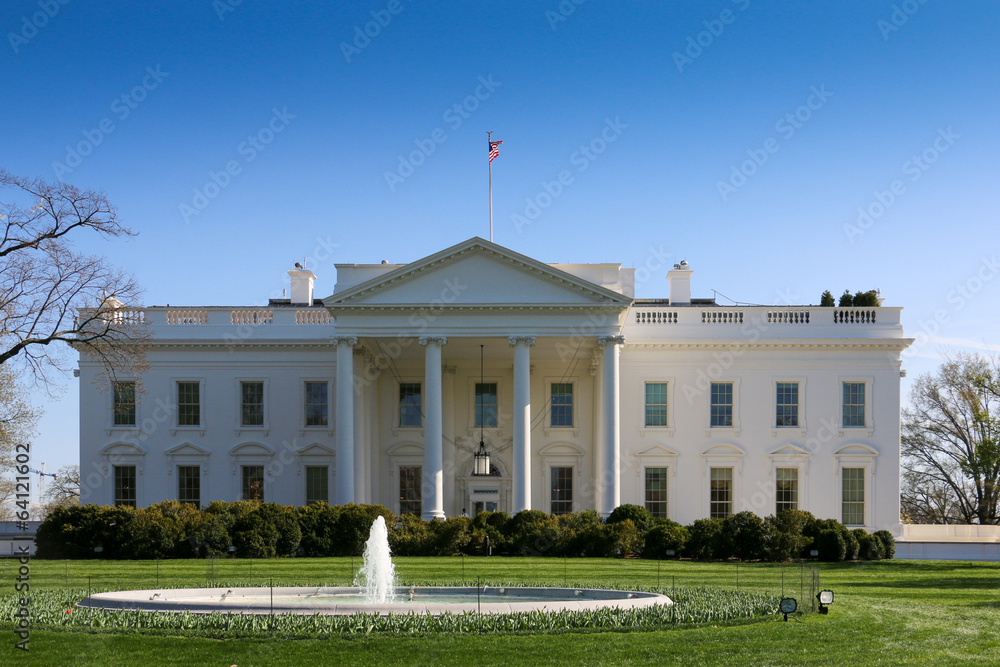
US President-elect Donald Trump and Chinese President Xi Jinping are slated to meet in Washington to discuss critical global issues, with artificial intelligence safety, trade tariffs, and geopolitical tensions taking center stage amid profound mutual distrust.
In-Depth Analysis
As global leaders prepare for the high-stakes diplomatic encounter, the upcoming summit between US President-elect Donald Trump and Chinese President Xi Jinping in Washington is drawing intense international scrutiny. The meeting brings together the leaders of the world's two largest economies at a time marked by deep-seated distrust, complex trade disputes, and rapidly evolving technological landscapes. While a wide array of topics remains on the table, discussions are expected to pivot heavily toward artificial intelligence safety, economic policy, regional security regarding Taiwan, and global climate cooperation.
Artificial intelligence has emerged as a central pillar of geopolitical competition and concern. In recent months, policymakers in Washington have grown increasingly vocal about the rapid advancements in machine learning and generative AI originating from both domestic and foreign laboratories. Officials are particularly focused on establishing robust safety frameworks to prevent the weaponization of advanced algorithms or the unintentional destabilization of global financial and defense networks. The inclusion of AI safety on the agenda underscores a growing realization that technological supremacy must be balanced with international guardrails to mitigate existential risks.
Trade and economic policy will undoubtedly form the backbone of the bilateral discussions. Donald Trump has historically championed a protectionist stance, utilizing aggressive tariffs and trade barriers to safeguard domestic industries and combat what he perceives as unfair trade practices by Beijing. The administration's focus will likely center on correcting trade imbalances, protecting intellectual property rights, and restricting the export of critical high-tech components, such as advanced semiconductor chips, to China. Conversely, Beijing is expected to push for the rollback of existing tariffs and seek a more predictable economic environment that allows Chinese enterprises to operate freely on the global stage.
Geopolitical flashpoints, particularly the sensitive issue of Taiwan, will also test the diplomatic acumen of both leaders. Washington maintains a delicate balance regarding the self-governing island, adhering to its 'One China' policy while simultaneously providing defensive arms and political support to Taipei. President Xi, on the other hand, views the reunification of Taiwan with the mainland as an absolute core national interest and has consistently warned foreign powers against interfering in what Beijing considers an internal matter. Navigating this dangerous terrain will require immense caution to prevent accidental military escalation in the Taiwan Strait.
Climate change represents another critical arena where cooperation is both fiercely contested and urgently necessary. Despite differing political priorities and past withdrawals from international accords, the United States and China remain the world's top two carbon emitters. Environmental advocates and international diplomats are pressing both leaders to find common ground on green energy transitions, methane emission reductions, and climate finance for developing nations. Although progress on environmental policy has often been subordinated to trade and security disputes, the sheer scale of the global climate crisis demands continued engagement between the two superpowers.
Ultimately, the Washington summit is unlikely to resolve all underlying structural tensions between Washington and Beijing. However, the mere willingness to sit at the negotiating table offers a glimmer of hope for managed competition rather than outright conflict. Observers around the world will be watching closely to see whether Trump and Xi can forge a pragmatic working relationship that balances national sovereignty with global stability.
How do you feel about this story?
Discussion
No comments yet. Be the first to share your thoughts.
Join the discussion
Sign in to share your thoughts on this story.