BNN Summary
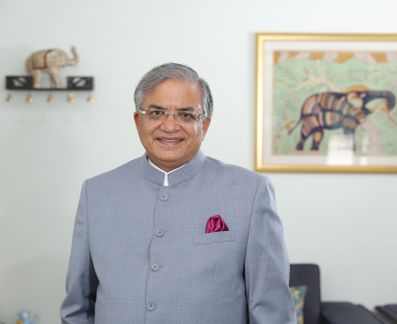
Chief Election Commissioner Gyanesh Kumar is facing severe backlash and calls for resignation following unprecedented disclosures that two Election Commissioners objected on record to poll panel decisions fourteen times in ten months. The controversy has ignited fierce national debate regarding the transparency, independence, and operational integrity of India's apex electoral body.
In-Depth Analysis
The Election Commission of India and its Chief Election Commissioner, Gyanesh Kumar, have found themselves at the center of a monumental political and institutional storm. Recent investigative reports and official disclosures have revealed that two Election Commissioners registered formal objections on record against various poll panel steps on fourteen distinct occasions over a span of just ten months. This extraordinary level of internal dissent within an institution traditionally viewed as a monolith of unified decision-making has sent shockwaves through the country's democratic landscape.
In the wake of these revelations, civil society groups, including organizations like Citizens for Justice and Peace, have launched aggressive campaigns demanding the immediate resignation of CEC Gyanesh Kumar within forty-horizontal hours. Critics argue that the repeated internal disagreements point to profound systemic flaws, a lack of consensus-building, and potential executive overreach in managing the world's largest democratic exercises. The opposition parties have seized upon the development, alleging that the poll panel's independence has been severely compromised, thereby casting a shadow over the fairness of recent and upcoming electoral processes.
Historically, the Election Commission of India has prided itself on maintaining strict neutrality and presenting a united front in its administrative pronouncements. However, the revelation that vital decisions faced strong internal pushback highlights deep fractures at the helm of the commission. Legal experts and constitutional scholars are closely examining the implications of these recorded objections, questioning whether the current leadership under Gyanesh Kumar adequately respects the pluralistic nature of a multi-member body. The principle of collective responsibility, which is fundamental to the functioning of constitutional authorities, is now being heavily scrutinized by legal analysts across the nation.
As public pressure mounts, political temperatures continue to soar. Rallies, press conferences, and parliamentary debates are increasingly dominated by discussions surrounding the institutional autonomy of the poll panel. Supporters of the commission maintain that internal debate and dissent are healthy signs of a robust democratic institution where differing viewpoints are duly registered. They argue that disagreement should not be conflated with dysfunction or malice. Nevertheless, the sheer frequency of these objections—fourteen times in ten months—suggests a persistent rift that goes far beyond routine administrative disagreements.
The unfolding crisis places Chief Election Commissioner Gyanesh Kumar under unprecedented pressure to restore public confidence and defend the integrity of the institution he leads. With various stakeholders demanding greater transparency and accountability, the coming weeks will be critical in determining how the Election Commission navigates this turbulence and reassures the Indian electorate of its unwavering commitment to free, fair, and impartial elections.
How do you feel about this story?
Discussion
No comments yet. Be the first to share your thoughts.
Join the discussion
Sign in to share your thoughts on this story.