BNN Summary
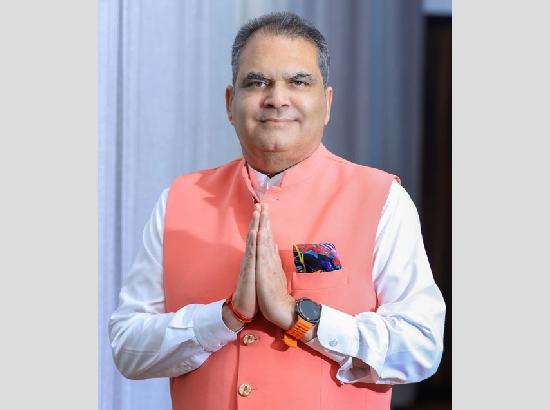
Chief Election Commissioner Gyanesh Kumar has found himself at the center of a major political storm in India. Opposition leaders, including Tamil Nadu Chief Minister MK Stalin, have raised serious concerns regarding administrative actions and electoral transparency, while the ruling coalition defends the commission's institutional integrity.
In-Depth Analysis
The Election Commission of India (ECI) has unexpectedly become the focal point of a heated national political debate, thrusting Chief Election Commissioner Gyanesh Kumar into the spotlight. Recent developments have triggered intense discussions across the political spectrum, with opposition parties demanding immediate administrative halts and transparency reviews, while governing factions rally behind the constitutional body.
At the heart of the controversy are allegations and reports that have begun to circulate regarding systemic changes within the electoral apparatus. Critics, most notably Tamil Nadu Chief Minister and Dravida Munnetra Kazhagam (DMK) leader MK Stalin, have vocally expressed dissatisfaction with the current trajectory of the ECI. Stalin formally demanded the removal of Gyanesh Kumar from his high-ranking constitutional post and called for an immediate halt to ongoing Special Intensive Revision (SIR) exercises. According to opposition leaders, these administrative procedures risk disenfranchising vulnerable voter segments and lack the necessary transparency required in a robust democracy.
The friction is not limited to regional figures. National opposition parties, spearheaded by the Indian National Congress, have raised pointed questions regarding procedural integrity, administrative neutrality, and internal protocols within the commission. Congress representatives argue that recent decisions reflect a deviation from established electoral norms, prompting calls for comprehensive parliamentary reviews and public disclosures regarding the internal workings of the ECI. The party maintains that public trust in independent institutions is paramount, and any perception of executive overreach or administrative partiality must be addressed transparently.
Conversely, the ruling Bharatiya Janata Party (BJP) and its political allies have strongly pushed back against the opposition's narrative. Defending Chief Election Commissioner Gyanesh Kumar and the broader commission, BJP spokespersons labeled the allegations as politically motivated maneuvers designed to undermine constitutional bodies when electoral outcomes do not favor regional parties. The ruling camp emphasized that the ECI operates as an autonomous constitutional authority governed strictly by statutory guidelines and judicial precedents. They argued that modernization and administrative tightening within the election system are essential for maintaining accurate voter rolls and preventing electoral malpractices.
Political analysts note that Gyanesh Kumar's tenure has been characterized by a distinct push toward administrative restructuring and technological integration within the election management machinery. While proponents view these changes as long-overdue reforms to streamline operations and secure the democratic process against fraud, detractors interpret the swift operational shifts as disruptive and opaque.
As the political standoff intensifies, civil society organizations and legal experts have weighed in, emphasizing the critical need for dialogue between the election watchdog and all recognized political stakeholders. Maintaining absolute impartiality and open channels of communication remains vital to preserving the sanctity of India's electoral democracy. The ongoing controversy serves as a stark reminder of the delicate balance required in managing the world's largest democratic exercise, where every administrative choice is subject to rigorous public scrutiny and political contestation. Further developments are expected as parliamentary sessions approach and legal forums consider petitions related to the disputed electoral revisions.
How do you feel about this story?
Discussion
No comments yet. Be the first to share your thoughts.
Join the discussion
Sign in to share your thoughts on this story.