BNN Summary
Electoral authorities across the globe are facing mounting scrutiny and unprecedented challenges concerning voter roll revisions, database security, and candidate disqualifications. Recent developments in India, Israel, and the United States highlight the delicate balance election panels must maintain between administrative oversight and public trust in democratic institutions.
In-Depth Analysis
Election commissions around the world are navigating a period of intense public scrutiny, administrative upheaval, and legal challenges. Recent events in various jurisdictions underscore the critical role that independent electoral bodies play in maintaining democratic integrity, as well as the immense pressures they face from political actors, civil society organizations, and administrative hurdles.
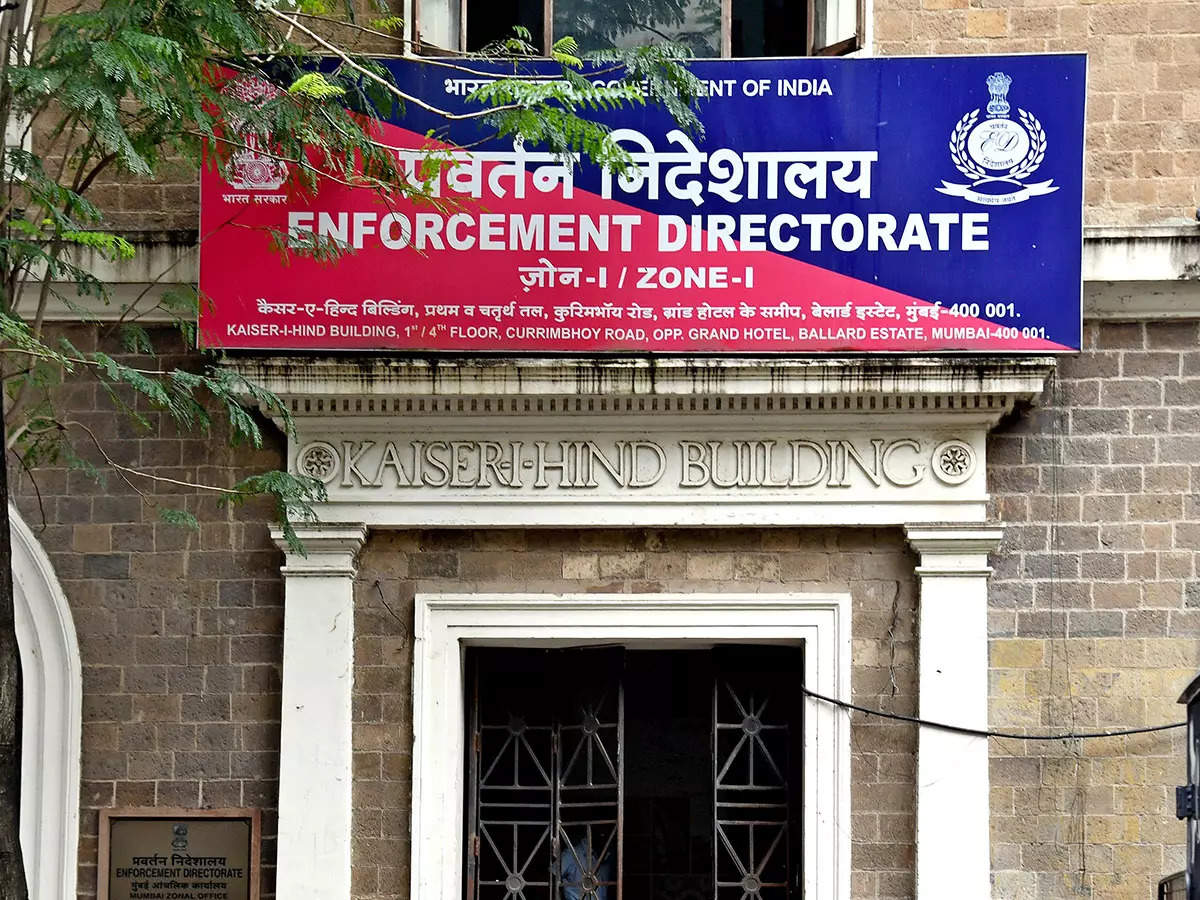
In India, the national election panel has encountered renewed scrutiny regarding its management of voter roll revisions. Critics and opposition groups have raised questions regarding the transparency and accuracy of large-scale updates to electoral rolls, prompting debates over the methodologies employed by election officials. Civil society watchdogs emphasize that maintaining accurate voter lists is fundamental to ensuring universal suffrage, yet administrative bottlenecks and allegations of disenfranchisement frequently complicate the process. The election panel maintains that its procedures are robust, transparent, and designed to purge duplicate or ineligible entries while safeguarding legitimate voters.
Meanwhile, in the Middle East, Israel's Central Election Commission has been embroiled in high-stakes legal and political battles. Recent efforts by the commission to bar leading Arab political parties from participating in upcoming national elections have ignited fierce debates over freedom of speech, political representation, and minority rights. While proponents of the disqualification motions argue that certain factions violate constitutional parameters regarding the character of the state, opponents contend that these measures represent a targeted attempt to silence minority populations and undermine democratic pluralism. The nation's supreme legal authorities are frequently forced to arbitrate these contentious decisions, highlighting the delicate intersection between judicial oversight and electoral administration.
In the United States, administrative strain has manifested at the local level. In Searcy County, Arkansas, the entire local election commission recently tendered its resignation following growing concerns and disputes over voter database management and technical infrastructure. The mass resignation exposed vulnerabilities in rural electoral administration, where part-time officials often struggle with complex software systems, stringent regulatory requirements, and intense polarization surrounding election security. State-level authorities have had to step in to restructure local operations, ensuring that upcoming electoral cycles proceed without administrative disruption.
These diverse challenges point to a common global theme: election commissions are operating under unprecedented stress. As polarization increases and technological demands evolve, the administrative burden on electoral bodies has grown exponentially. Experts note that preserving public confidence requires not only technical competence but also transparent communication and steadfast independence from political interference. Whether dealing with massive demographic shifts in vast democracies, complex identity politics in regional conflicts, or technical failures in local municipalities, election commissions remain the ultimate arbiters of democratic legitimacy.
How do you feel about this story?
Discussion
No comments yet. Be the first to share your thoughts.
Join the discussion
Sign in to share your thoughts on this story.