BNN Summary
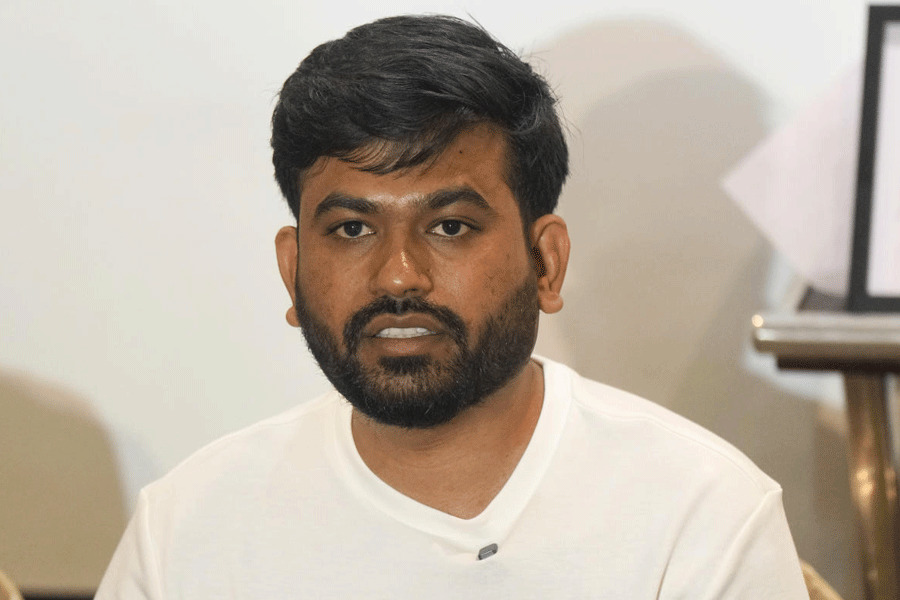
Constitutional Justice Project founders Abhijeet Dipke and Saurav Das have announced a high-profile press conference in New Delhi following a major controversy involving the Election Commission of India and reports of internal dissent. The announcement has triggered widespread political and social media discussions.
In-Depth Analysis
The Constitutional Justice Project (CJP) has stepped into the center of a burgeoning national controversy by announcing a comprehensive press conference in New Delhi to address alleged internal dissent within the Election Commission of India (ECI). The development follows a series of cryptic and provocative social media posts by CJP founder Abhijeet Dipke and fellow activist Saurav Das, which quickly captured public attention and drew intense media scrutiny across the political spectrum.
The controversy intensified after reports surfaced detailing alleged friction and differing viewpoints among top officials within the nation's premier electoral oversight body. Seizing upon these reports, the CJP leadership utilized digital platforms to tease their upcoming disclosures, adopting an informal yet provocative tone that immediately resonated online. Posts featuring phrases like 'Gyanesh bro. It's done bro' and speculative commentary such as 'What if...' circulated widely, turning the spotlight firmly toward the internal workings of the ECI.
During the lead-up to the scheduled media briefing, political observers and commentators weighed in on the implications of the CJP's claims. Transparency advocates argue that institutional dissent, if substantiated, points to deeper structural challenges regarding autonomy and decision-making processes within independent constitutional bodies. On the other hand, critics have questioned the methodology and intent behind releasing fragmented information on social media prior to formal verification, suggesting it may unnecessarily politicize administrative matters.
The Election Commission of India has historically maintained strict operational confidentiality, and any suggestion of internal discord is treated with utmost gravity by legal and political experts. Electoral integrity remains a cornerstone of the world's largest democracy, making the internal dynamics of the commission a matter of profound public interest. As the CJP prepares to present its findings and reports to the press in the national capital, journalists and opposition leaders alike are anticipating further details that could shape public discourse on institutional accountability.
In addition to addressing the reported internal rift, the press conference is expected to touch upon broader themes of electoral transparency, administrative oversight, and the role of independent civil society organizations in monitoring constitutional authorities. The CJP has positioned itself as a watchdog aiming to safeguard democratic norms, though its recent communication strategy has drawn mixed reviews for blurring the lines between serious investigative reporting and viral social media engagement.
As the story continues to unfold, all eyes are on New Delhi where the press meet is set to take place. The outcome of these disclosures could potentially prompt formal inquiries or statements from relevant stakeholders, adding another chapter to the ongoing debates surrounding the independence and functioning of India's democratic institutions. Stakeholders from across the political and civil spectrum await concrete documentation from the CJP to substantiate the claims that have dominated headlines over the past few days.
How do you feel about this story?
Discussion
No comments yet. Be the first to share your thoughts.
Join the discussion
Sign in to share your thoughts on this story.