BNN Summary
Opposition leaders have strongly criticized the Election Commission following reports of internal dissent and controversial notes. Senior figures like Rahul Gandhi and Arvind Kejriwal have raised questions about the institutional integrity of the poll body, prompting a joint clarification from the Chief Election Commissioner and fellow commissioners to dismiss claims of a rift.
In-Depth Analysis
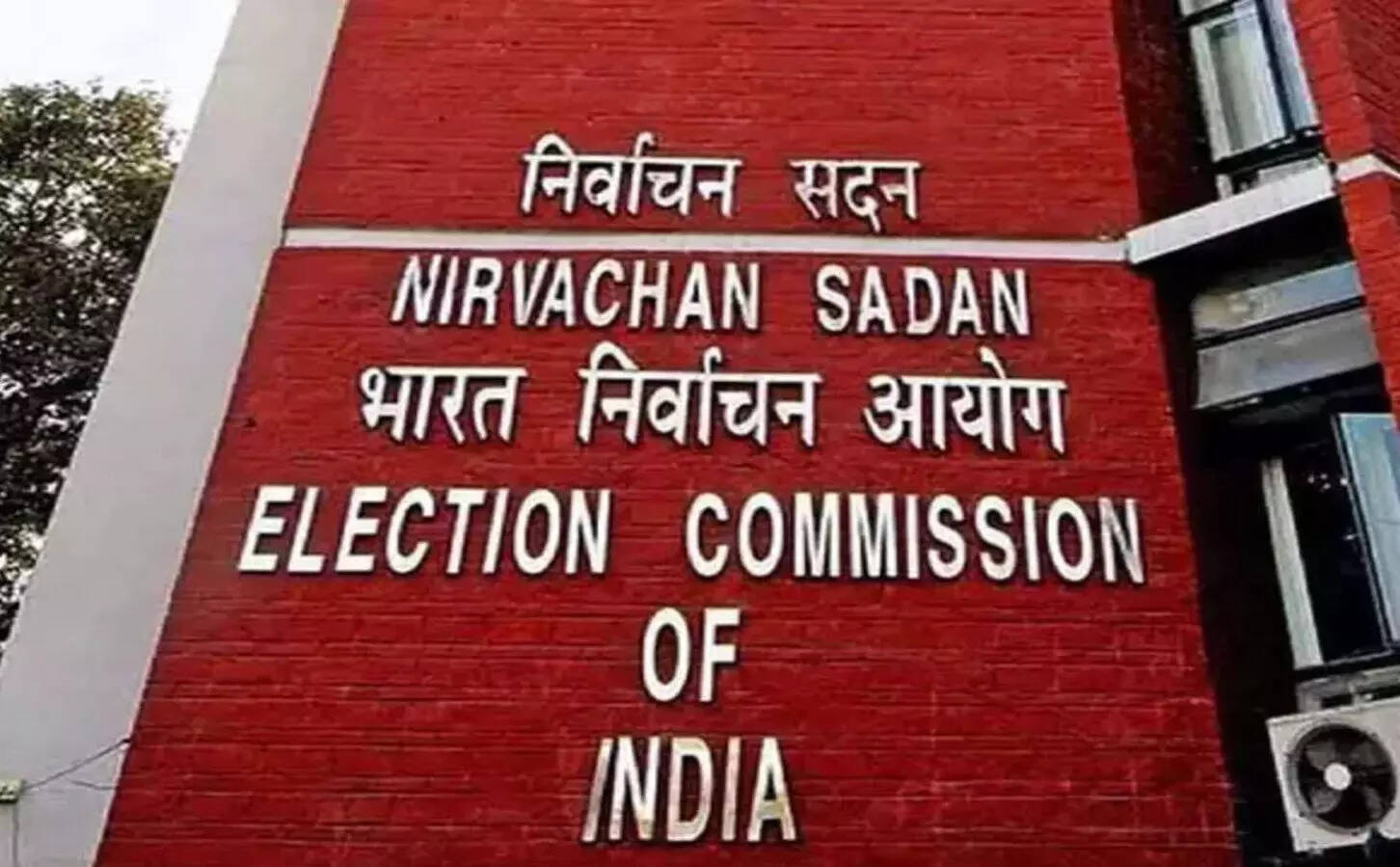
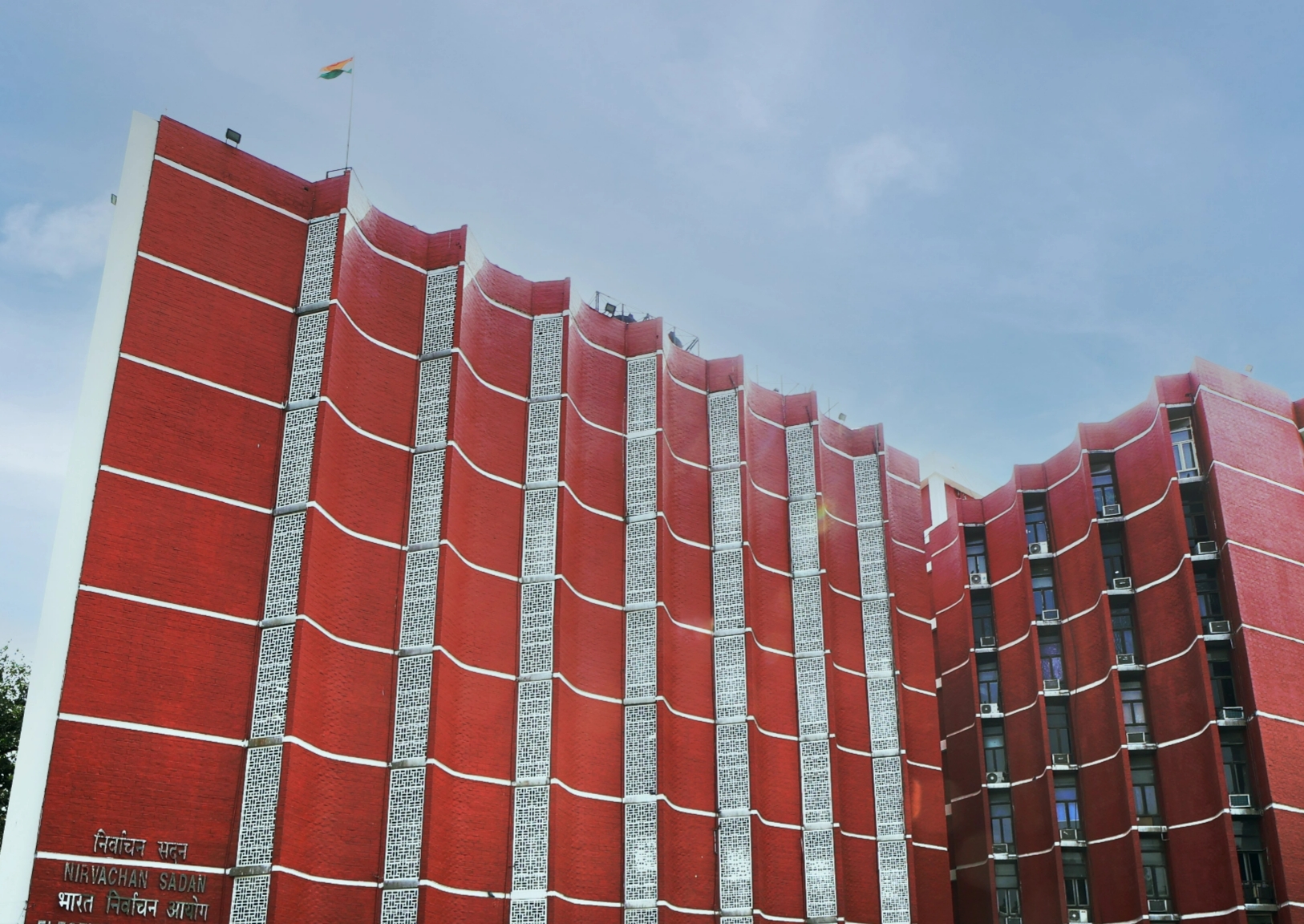
The Election Commission of India has found itself at the center of a intense political controversy following widespread reports of internal dissent and divergent viewpoints among its top officials. Major opposition leaders have seized upon the situation to question the impartiality and administrative transparency of the constitutional body, demanding immediate clarifications and a thorough probe into the handling of sensitive electoral matters.
Opposition Leaders Demand Accountability
Prominent opposition figures, including senior political leader Rahul Gandhi and national capital leader Arvind Kejriwal, launched scathing attacks against the ruling establishment and the election oversight institution. The criticism intensified following a row over internal notes and alleged disagreements among the Chief Election Commissioner and other election commissioners regarding key procedural decisions.
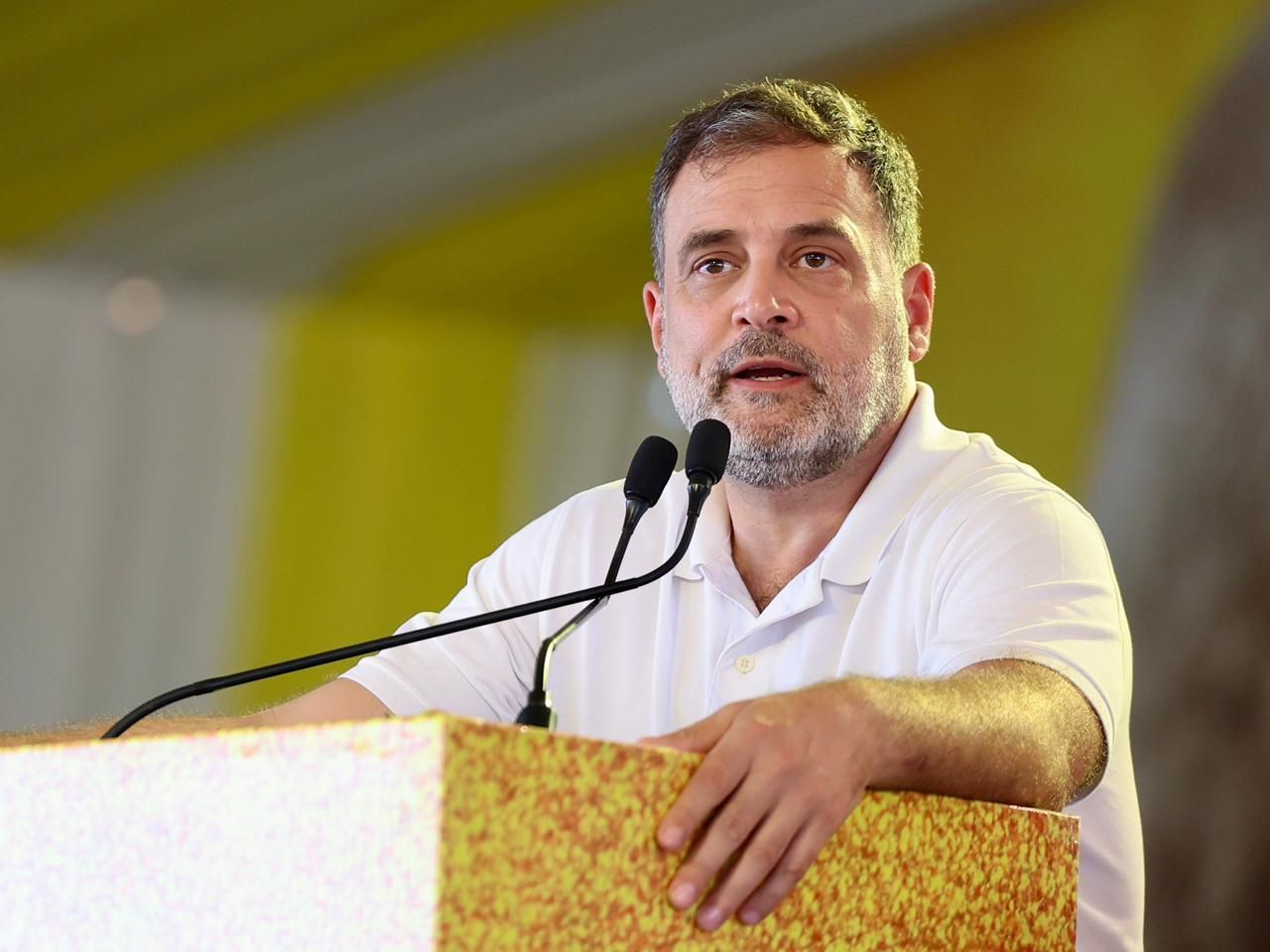
Rahul Gandhi publicly targeted the administration and the poll panel, alleging that institutional autonomy is being systematically compromised. He emphasized that the transparency of election machinery is vital for the survival of democratic principles in the country. Meanwhile, Arvind Kejriwal echoed similar concerns, calling for an independent and impartial probe into the leak of internal notes and the exact nature of the reported policy disagreements within the commission.
The Commission Responds with a Joint Stand
In a bid to quell mounting speculation and restore public confidence, the Chief Election Commissioner and the accompanying election commissioners stepped forward to issue a definitive joint statement. The panel categorically rebutted all reports suggesting a deep internal rift or operational paralysis within the institution.
According to the official clarification issued by the poll panel, discussions and rigorous debates are a routine and healthy part of the administrative decision-making process. The commissioners stressed that while differences of opinion may arise during internal deliberations, the final actions and policies of the commission reflect a unified and collective consensus aimed at upholding constitutional mandates.
The joint statement further cautioned against what it termed as speculative narratives designed to undermine the credibility of independent democratic institutions. The election body reiterated its unwavering commitment to conducting free, fair, and transparent electoral exercises across the nation, independent of external political pressures.
Broader Political Implications
This fresh controversy adds to a growing list of friction points between the political opposition and central administrative authorities. Observers note that as upcoming electoral cycles approach, the scrutiny on independent referees like the Election Commission is bound to intensify. Political analysts suggest that maintaining absolute institutional neutrality and communicating transparently will be critical for the poll panel to ward off partisan attacks and preserve the faith of the electorate.
As the political dust begins to settle following the joint clarification, civil society groups and legal experts continue to debate the balance between institutional confidentiality and public accountability. The episode underscores the delicate tightrope walked by constitutional authorities in maintaining internal harmony while operating under the intense spotlight of India's vibrant and polarized political landscape.
How do you feel about this story?
Discussion
No comments yet. Be the first to share your thoughts.
Join the discussion
Sign in to share your thoughts on this story.