BNN Summary
West Bengal's political landscape faces intense scrutiny amid high-profile electoral battles, strict Election Commission interventions, and factional disputes within the ruling Trinamool Congress, significantly altering the state's governance dynamics and opposition momentum.
In-Depth Analysis
The political arena in West Bengal has entered a period of unprecedented turbulence, marked by high-stakes electoral showdowns, stringent interventions by the Election Commission of India (ECI), and fierce internal factionalism within the ruling Trinamool Congress (TMC). These developments have not only reshaped the immediate political fortunes of the state's key leaders but have also set the stage for a prolonged ideological and legal battle between the incumbent administration and a resurgent opposition.
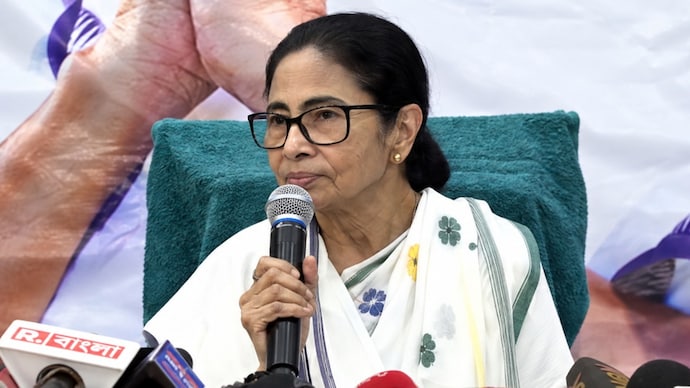
At the center of this political storm is Chief Minister Mamata Banerjee, whose leadership has faced continuous challenges from both institutional authorities and political adversaries. One of the most critical turning points in recent political memory involved a fiercely contested electoral battle in the Nandigram constituency. In this high-profile contest, political heavyweight Suvendu Adhikari secured a landmark victory against Mamata Banerjee. The defeat sent shockwaves through the state's political establishment, providing a massive morale boost to the Bharatiya Janata Party (BJP), which has been aggressively expanding its footprint across eastern India. The BJP's aggressive campaign strategy and grassroots mobilization culminated in what political analysts described as a historic electoral breakthrough, challenging the decades-long dominance of regional power structures.
The friction between political parties and regulatory bodies has further complicated the situation. Following allegations and counter-allegations regarding vote counting processes in key constituencies such as Bhabanipur, the Election Commission of India formally rejected claims of electoral malpractice raised by Mamata Banerjee and her campaign team. The ECI maintained that the counting procedures were conducted in strict adherence to statutory guidelines, utilizing transparent mechanisms monitored by independent observers. This ruling, while validating the administrative machinery's integrity, added to the growing political tension, with the ruling camp expressing deep dissatisfaction over the electoral oversight.
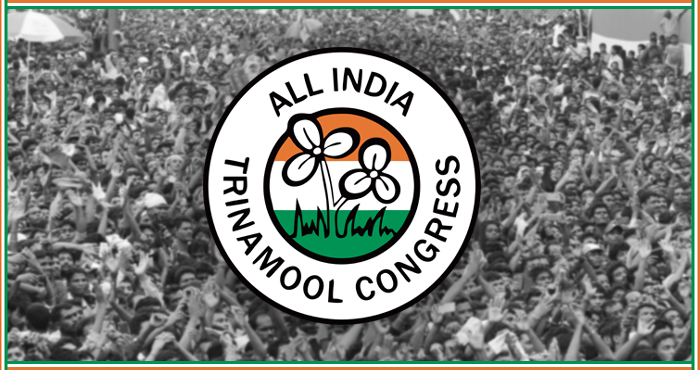
Adding to the governance crisis, internal dissent within the Trinamool Congress reached a boiling point, leading to severe organizational paralysis. Due to deepening factional rifts and competing claims over leadership legitimacy, the Election Commission took the unprecedented step of freezing the iconic TMC party symbol and barring both rival factions from using the official party name until the dispute is formally resolved. This regulatory freeze has stripped the regional powerhouse of its primary brand identity during a critical political season, forcing both factions to rethink their strategies as they navigate legal appeals before election authorities and higher courts.
Political scientists note that these multi-layered developments signify a profound transformation in West Bengal's political culture. The traditional dominance of a single unified regional party is now being tested by aggressive national party expansion, rigorous institutional oversight, and internal vulnerabilities. As the legal battles over party symbols and electoral integrity proceed, both the ruling administration and the opposition are gearing up for prolonged political maneuvering. The outcomes of these disputes will likely dictate the trajectory of West Bengal politics for years to come, influencing voter alignment, institutional trust, and the overarching balance of power in eastern India.
How do you feel about this story?
Discussion
No comments yet. Be the first to share your thoughts.
Join the discussion
Sign in to share your thoughts on this story.