BNN Summary
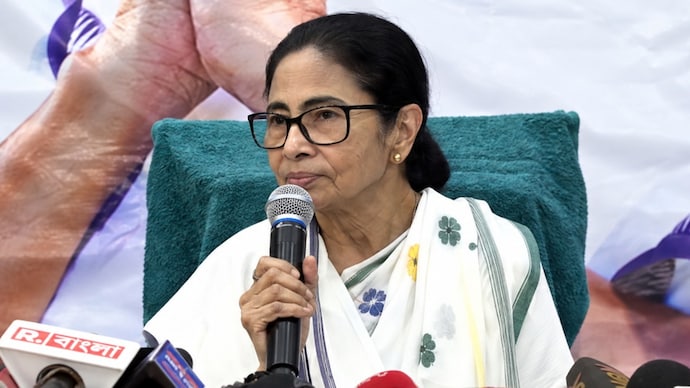
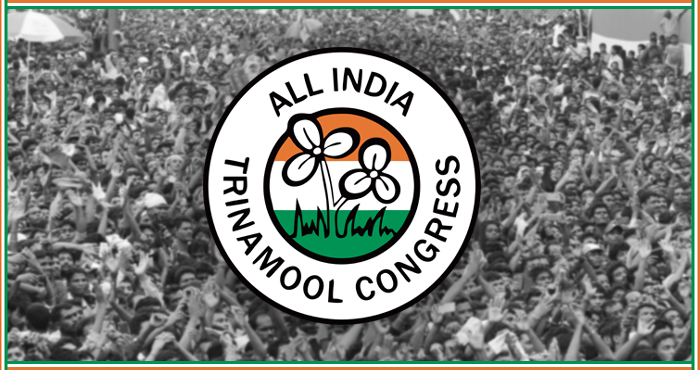
West Bengal Chief Minister and Trinamool Congress supremo Mamata Banerjee has formally approached the Supreme Court of India. She is challenging a contentious Election Commission of India order that froze the political party name and its iconic 'flowers and grass' election symbol amid an intense internal leadership dispute.
In-Depth Analysis
West Bengal Chief Minister and Trinamool Congress (TMC) supremo Mamata Banerjee has escalated her political and legal battle by officially moving the Supreme Court of India. Her legal petition challenges a sweeping and controversial order issued by the Election Commission of India (ECI), which directed the freezing of the political party name 'Trinamool Congress' alongside its widely recognized 'flowers and grass' symbol. This unprecedented administrative action by the poll panel stems directly from a bitter internal factional feud within the organization, which has threatened to paralyze the political machinery of the ruling party in West Bengal.
The genesis of this high-stakes legal confrontation lies in a severe leadership tussle that surfaced between rival factions within the party hierarchy. Following competing claims over the legitimate control of the party apparatus, separate factions—most notably those led by Mamata Banerjee and another group associated with leader Ritabrata Banerjee—rushed to submit alternative name choices and provisional symbols to the ECI. The poll panel, invoking its authority under constitutional and statutory provisions to resolve internal disputes, decided to freeze the existing nomenclature and symbol pending a comprehensive final adjudication.
In her petition filed before the apex court, Mamata Banerjee's legal team has argued that the Election Commission acted arbitrarily and without due consideration of the democratic mandate enjoyed by her faction. The petition contends that freezing a deeply entrenched political identity severely prejudices the party's ability to function effectively, especially in upcoming local and national political engagements. The legal representation emphasizes that the 'flowers and grass' symbol is not merely an administrative graphic, but an emotional and political anchor for millions of grassroots supporters across West Bengal and neighboring states.
Political analysts view this Supreme Court intervention as a critical juncture in India's electoral jurisprudence regarding inner-party democracy and the powers of the Election Commission. When a national or state party undergoes fragmentation, the regulatory framework requires the poll body to ascertain numerical strength within organizational wings and legislative bodies before deciding on symbol allocation. Banerjee's camp maintains that their faction commands an overwhelming majority of elected representatives, making the freezing order unwarranted and legally flawed.
Meanwhile, rival camps have continued to press their respective claims before the ECI, submitting lists of fresh symbols and nomenclature as mandated by the interim guidelines. However, the shadow of the Supreme Court proceedings looms large over these administrative submissions. Legal experts suggest that the apex court's response to Mamata Banerjee's petition could set a definitive precedent for how election regulators handle factional disputes within powerful regional political parties in India.
How do you feel about this story?
Discussion
No comments yet. Be the first to share your thoughts.
Join the discussion
Sign in to share your thoughts on this story.