BNN Summary
In a major political crisis for West Bengal Chief Minister Mamata Banerjee, the Election Commission of India has frozen the name and the iconic 'flowers and grass' symbol of the Trinamool Congress following an intense factional leadership dispute. Both rival factions have been barred from using the established identity, forcing them to adopt temporary names and symbols for the upcoming state assembly by-elections.
In-Depth Analysis
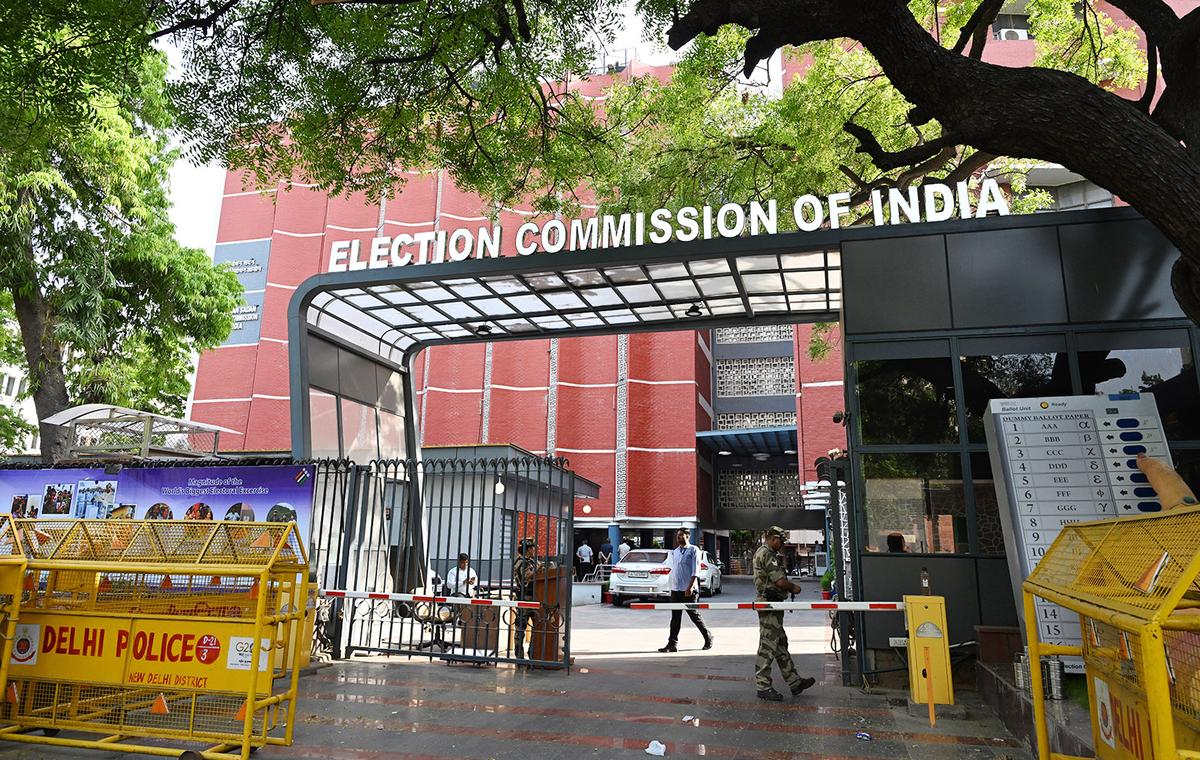
The political landscape of West Bengal has been thrown into massive turmoil following a decisive and unprecedented order from the Election Commission of India (ECI), which has officially frozen both the name and the traditional 'flowers and grass' symbol of the ruling Trinamool Congress (TMC). This administrative action comes as a severe blow to Chief Minister Mamata Banerjee and her inner circle, arriving just weeks before critical state assembly by-elections that are widely viewed as a crucial test of political strength in the region.
According to official statements released by the poll panel, the freeze was triggered by an irreconcilable internal feud and rival claims over the control of the party machinery. The faction led by Mamata Banerjee and another claimant group spearheaded by Ritabrata Banerjee both formally petitioned the Commission, each asserting legitimate ownership of the party's foundational legacy, institutional assets, and electoral insignia. In accordance with the provisions governing symbol disputes and political organization regulations, the ECI determined that an immediate freeze was necessary to maintain neutrality, prevent public confusion, and ensure a level playing field during the electoral contest.
Impact on the Upcoming By-Polls
The timing of this regulatory intervention could not be more challenging for the primary ruling establishment in West Bengal. With by-elections looming on the horizon, the political machinery must now operate under a completely new paradigm. Neither faction will be permitted to campaign using the well-recognized 'flowers and grass' symbol, which has been a staple of grassroots campaigning, wall graffiti, and voter association across the state for decades. Furthermore, the official use of the 'Trinamool Congress' nomenclature has been suspended for both contending groups until the dispute is resolved through comprehensive quasi-judicial proceedings.
To navigate the immediate administrative requirements of the upcoming polls, the ECI has directed both factions to submit a list of alternative names and fresh symbol options from the pool of unreserved symbols available to newly registered or unrecognized political entities. Consequently, campaigns that typically focused on defending the established party brand must now aggressively pivot toward educating traditional voters about temporary identities and alternative ballot markers.
Factional Rivalry and Escalation
The roots of this crisis trace back to months of simmering discontent, divergent administrative visions, and competing ambitions within the senior hierarchy of the political organization. While Mamata Banerjee has consistently commanded the emotional core of the party's mass base, internal challenges regarding organizational appointments, distribution of power, and strategic direction opened the door for rival claimants to approach constitutional authorities. The inclusion of Ritabrata Banerjee in the formal dispute further complicated the legal landscape, transforming what initially appeared to be internal dissent into a formal institutional battle for statutory recognition.
Legal experts note that resolving a symbol dispute of this magnitude is a protracted process that involves thorough examinations of affidavits, organizational membership numbers, legislative backing, and constitutional compliance. The ECI's decision to freeze the identity rather than make an interim award to either side highlights the complexity and intensity of the rival submissions.
Political Reactions and Future Implications
Opposition parties in the state, including the Bharatiya Janata Party (BJP) and the Left Front, have seized upon the development to highlight internal instability within the ruling dispensation. Leaders from opposition camps argued that the freeze reflects deep administrative rot and a crumbling organizational structure. Meanwhile, loyalists of Mamata Banerjee have condemned the ruling as an external conspiracy designed to disenfranchise the historic movement and confuse millions of dedicated supporters.
As the region gears up for the high-stakes electoral battle, both factions find themselves locked in a race against time. They must not only prepare their respective political campaigns on the ground but also rebrand their public identities overnight. The ultimate resolution of this dispute will permanently alter the political trajectory of West Bengal and redefine the future governance of the state.
How do you feel about this story?
Discussion
No comments yet. Be the first to share your thoughts.
Join the discussion
Sign in to share your thoughts on this story.