BNN Summary
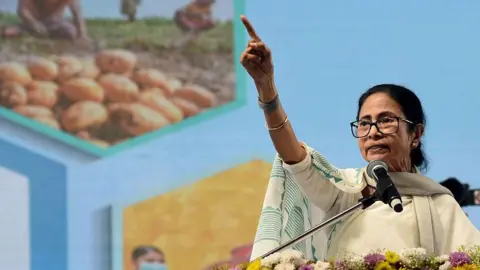
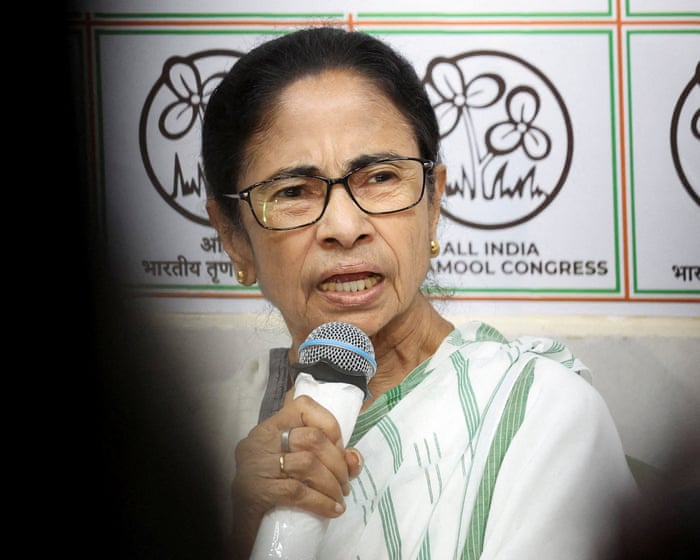
Following a recent decision by the Election Commission resolving an internal symbol dispute, rival factions within the Trinamool Congress have engaged in a heated war of words concerning the political legacy of Mamata Banerjee.
In-Depth Analysis
The political landscape in West Bengal has witnessed a fresh wave of turbulence as rival factions within the Trinamool Congress (TMC) publicly trade barbs over the political legacy of Chief Minister Mamata Banerjee. This intra-party friction erupted in the wake of a recent decision by the Election Commission of India, which successfully settled a contentious symbol row that had been brewing within various local units of the political organization.
For months, grassroots workers and regional leaders had been locked in administrative and legal disputes over campaign motifs, local office recognitions, and the official usage of party insignia. The Election Commission intervention brought formal closure to the technical aspects of the dispute, determining the rightful claimants to specific organizational designations and symbols. However, rather than restoring internal harmony, the resolution has inadvertently opened a new ideological battlefront regarding who truly represents the core ethos established by Mamata Banerjee.
Friction points have emerged primarily between senior-tier party veterans and a vocal group of emerging youth organizers. The veteran camp argues that the long-standing stability of the party relies strictly on disciplined adherence to traditional hierarchical structures, pointing directly to decades of grassroots struggle championed by the supreme leader. Conversely, the newer faction asserts that contemporary political communication requires a modern overhaul, free from bureaucratic inertia, while still claiming absolute loyalty to the foundational principles laid down by Mamata Banerjee.
Political analysts watching developments in Kolkata note that these public altercations reflect underlying anxieties about succession planning and local dominance ahead of upcoming municipal and national electoral cycles. While the leadership at the very top has consistently appealed for unity and restraint, local commanders continue to leverage the recent administrative ruling to posture for regional supremacy.
Opposition parties have been quick to capitalize on the internal discord, pointing to the public spats as evidence of growing fracture within the ruling establishment. Leaders from rival opposition outfits stated that the administrative dispute resolution only masked deeper ideological and personal ambitions tearing the party apart from within.
As the dust settles on the formal Election Commission ruling, the central leadership faces the arduous task of re-establishing internal discipline and ensuring that factional squabbling does not derail the party's broader electoral machinery. Observers remain skeptical, suggesting that unless a definitive reconciliation meeting is brokered among the warring regional camps, the debate over who guards Mamata Banerjee's political legacy will continue to dominate headlines across the state.
How do you feel about this story?
Discussion
No comments yet. Be the first to share your thoughts.
Join the discussion
Sign in to share your thoughts on this story.