BNN Summary
The Election Commission of India has frozen the name and traditional symbol of the Trinamool Congress following a bitter split between rival factions in West Bengal. Both groups have submitted their respective choices for new party names and symbols ahead of upcoming bypolls in the state.
In-Depth Analysis
The political landscape of West Bengal has entered a state of profound uncertainty following a decisive directive from the Election Commission of India. In an unprecedented move, the electoral watchdog has decided to freeze the official name and traditional election symbol of the Trinamool Congress. This intervention comes in the wake of a severe internal rift and power struggle that has effectively split the regional political powerhouse into two distinct, competing factions. Both rival camps have now officially submitted their respective lists of preferred new party names and symbols to the Election Commission, hoping to secure recognition in time for the crucial upcoming legislative bypolls in the state.
The crisis unfolded over the past several weeks as irreconcilable differences surfaced among senior leaders of the organization. The escalating conflict prompted both factions to petition the poll panel, each claiming legitimate ownership of the party's legacy, structural machinery, and institutional identity. Recognizing the gravity of the dispute and the urgency posed by the impending electoral calendar, the Election Commission invoked its constitutional powers to maintain neutrality and ensure a level playing field. By barring both factions from utilizing the disputed name and symbol, the commission aims to prevent electoral confusion among the voting public and uphold the integrity of the democratic process.
Political analysts note that this development marks a historic turning point for the political dynamics of West Bengal. The Trinamool Congress has been a dominant force in the state for over a decade, shaping regional governance and policy. The sudden loss of its universally recognized identity forces both factions to embark on an aggressive public outreach campaign to educate voters about their new electoral designations. Campaign strategists from both camps are working around the clock to finalize branding strategies that resonate with the traditional voter base while establishing a distinct political identity.
In their submissions to the Election Commission, the rival factions have proposed a variety of names and symbols that evoke the core values and regional heritage associated with the original movement. However, the commission must rigorously vet these proposals to ensure they do not infringe upon existing registered parties or violate statutory guidelines governing electoral symbols. The final approval of these names and symbols is expected to be announced in the coming days, just as the campaigning phase for the bypolls reaches its peak.
Local administrative machinery and electoral officers across West Bengal are preparing for the logistical challenges of introducing new party names and symbols on electronic voting machines and campaign materials. District authorities have been instructed to assist the public and political workers in understanding the interim changes. Meanwhile, opposition parties in the state are closely monitoring the unfolding situation, viewing the factional division and the subsequent freeze of the ruling party identity as a potential window of opportunity to expand their own electoral footprint.
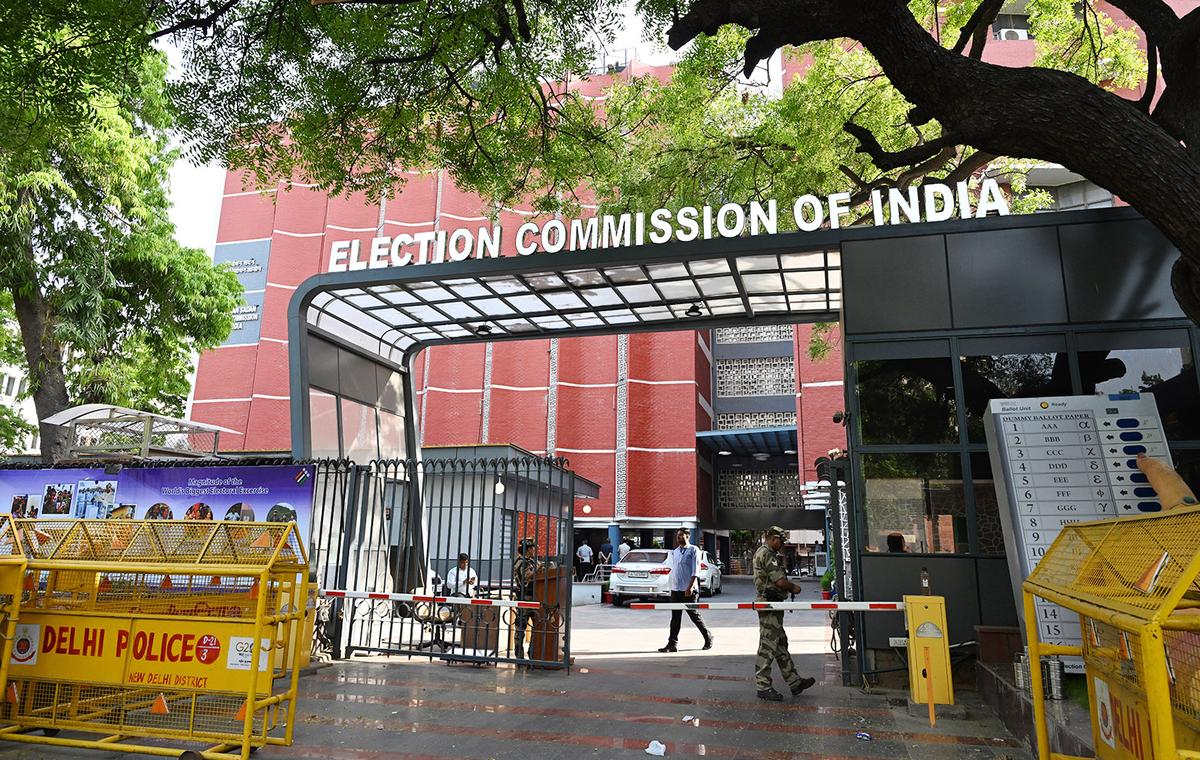
As the region braces for high-stakes bypolls, the focus remains firmly on the Election Commission office in New Delhi, where final clearances for the new identities are being processed. The outcome of this regulatory process will not only dictate the immediate electoral battle but could also permanently alter the trajectory of regional politics in West Bengal for years to come.
How do you feel about this story?
Discussion
No comments yet. Be the first to share your thoughts.
Join the discussion
Sign in to share your thoughts on this story.