BNN Summary
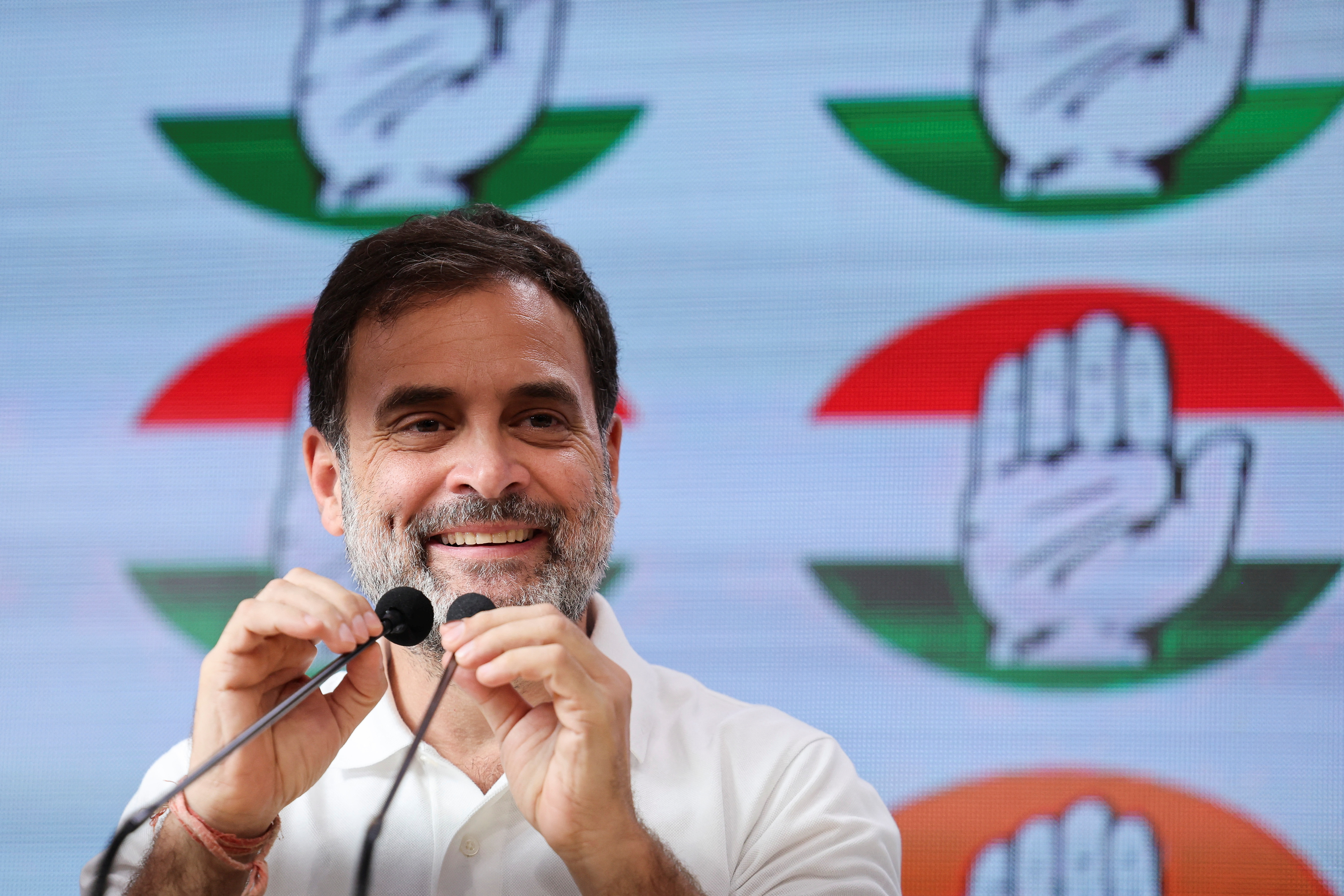
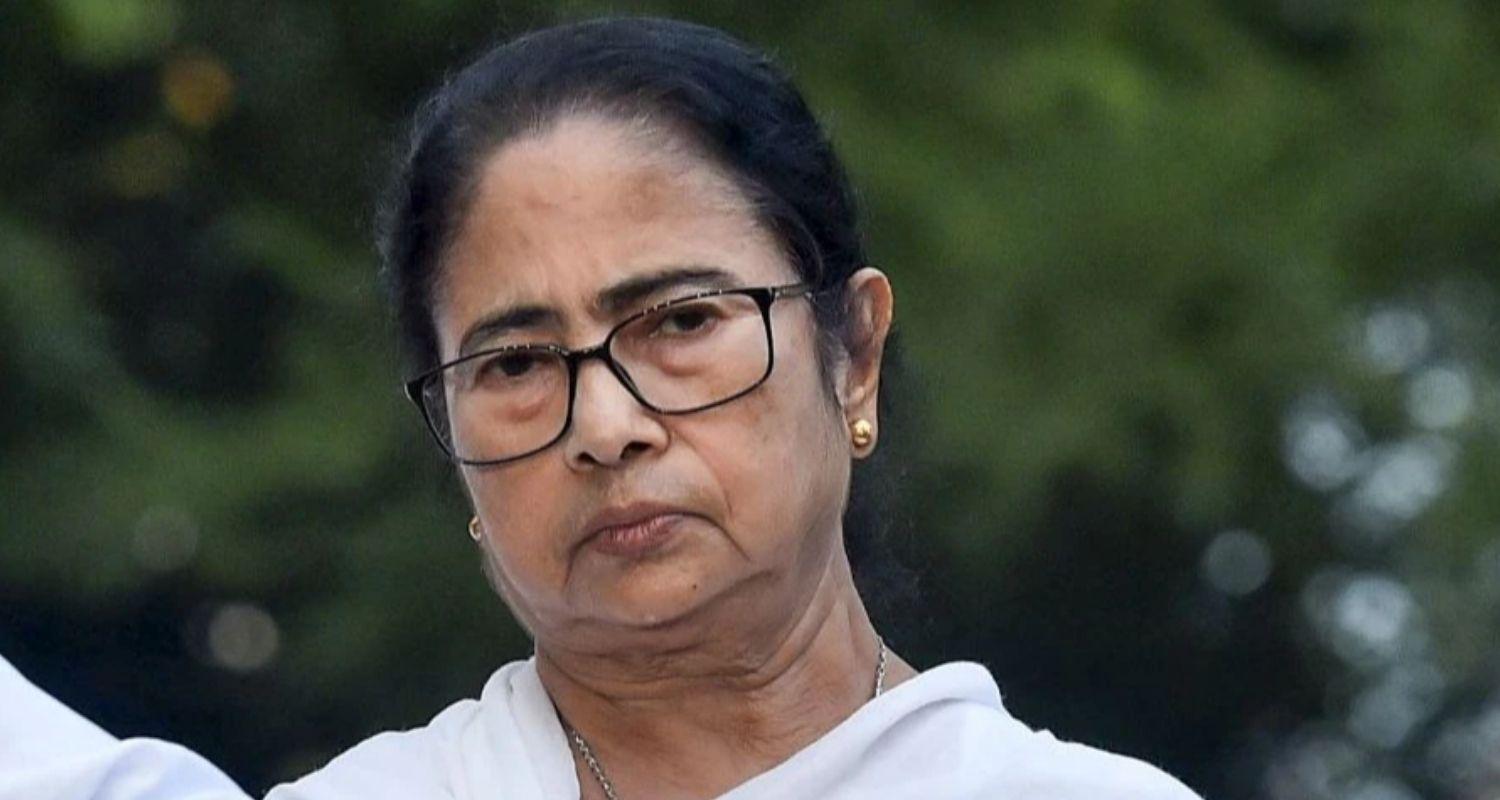
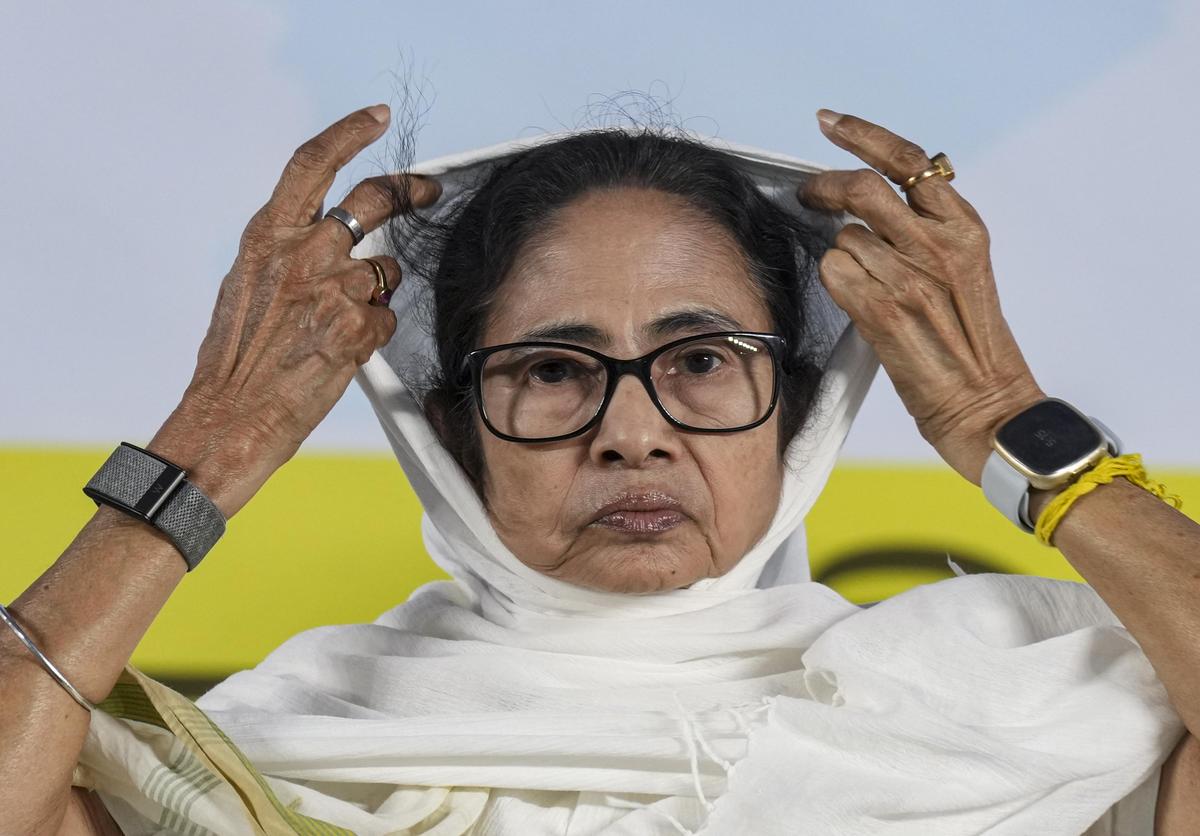
West Bengal Chief Minister Mamata Banerjee has extended unexpected political support to the Congress party in Nandigram amid mounting organizational challenges and legal battles for the Trinamool Congress. The development marks a significant political shift in the region.
In-Depth Analysis
West Bengal Chief Minister Mamata Banerjee has made a notable political maneuver by extending unexpected support to the Congress party in Nandigram, even as the Trinamool Congress grapples with a deepening political and administrative crisis across the state. This strategic shift has sent ripples through the state's political landscape, altering traditional rivalries and sparking intense debate among political analysts and opposition leaders alike.
Escalating Challenges For Trinamool Congress
The Trinamool Congress has been facing a series of formidable hurdles in recent months. Apart from mounting internal dissent and administrative scrutiny, the party has been locked in intense legal battles concerning its official name and electoral symbol. Mamata Banerjee recently moved the Supreme Court to challenge a contentious Election Commission order regarding the party identity, adding immense pressure to the political machinery.
In the historically significant region of Nandigram—a crucible of West Bengal politics—the party's grip has faced severe tests. Local dynamics, shifting voter loyalties, and aggressive opposition campaigns have created an environment of vulnerability for the ruling dispensation. By extending support to the Congress in specific local contexts within Nandigram, Banerjee appears to be recalibrating her strategy to consolidate anti-opposition forces and counter the rising influence of rival political entities.
A Tactical Realignment
Political observers note that this tactical realignment could have far-reaching consequences for future electoral contests in West Bengal. While the Congress and the Trinamool Congress have frequently locked horns at the state level despite national-level opposition alliances, local exigencies in strongholds like Nandigram often dictate pragmatic adjustments. Banerjee's endorsement is seen as an effort to stabilize her political footing and fend off mounting pressures from adversaries.
The opposition has been quick to criticize the move, labeling it a sign of desperation as the Trinamool Congress confronts widening cracks within its organizational framework. Bharatiya Janata Party leaders and local critics argue that the ruling party is losing its autonomous appeal and is forced to lean on traditional rivals for survival in key constituencies.
Broader Political Implications
As the legal battles in the Supreme Court proceed and administrative pressures mount, the political climate in West Bengal remains intensely volatile. The coming months will reveal whether this tactical support translates into durable electoral cooperation or remains a localized, short-term expedient designed to weather the current storm. Meanwhile, party cadres in Nandigram are attempting to interpret the leadership directives, balancing years of bitter rivalry with the new realities of political survival.
The unfolding situation underscores the fluid nature of Indian regional politics, where ideological boundaries frequently bend to accommodate immediate electoral imperatives. Mamata Banerjee remains at the center of this political storm, navigating complex legal challenges and fierce opposition while attempting to secure her party's future in its traditional strongholds.
How do you feel about this story?
Discussion
No comments yet. Be the first to share your thoughts.
Join the discussion
Sign in to share your thoughts on this story.