BNN Summary
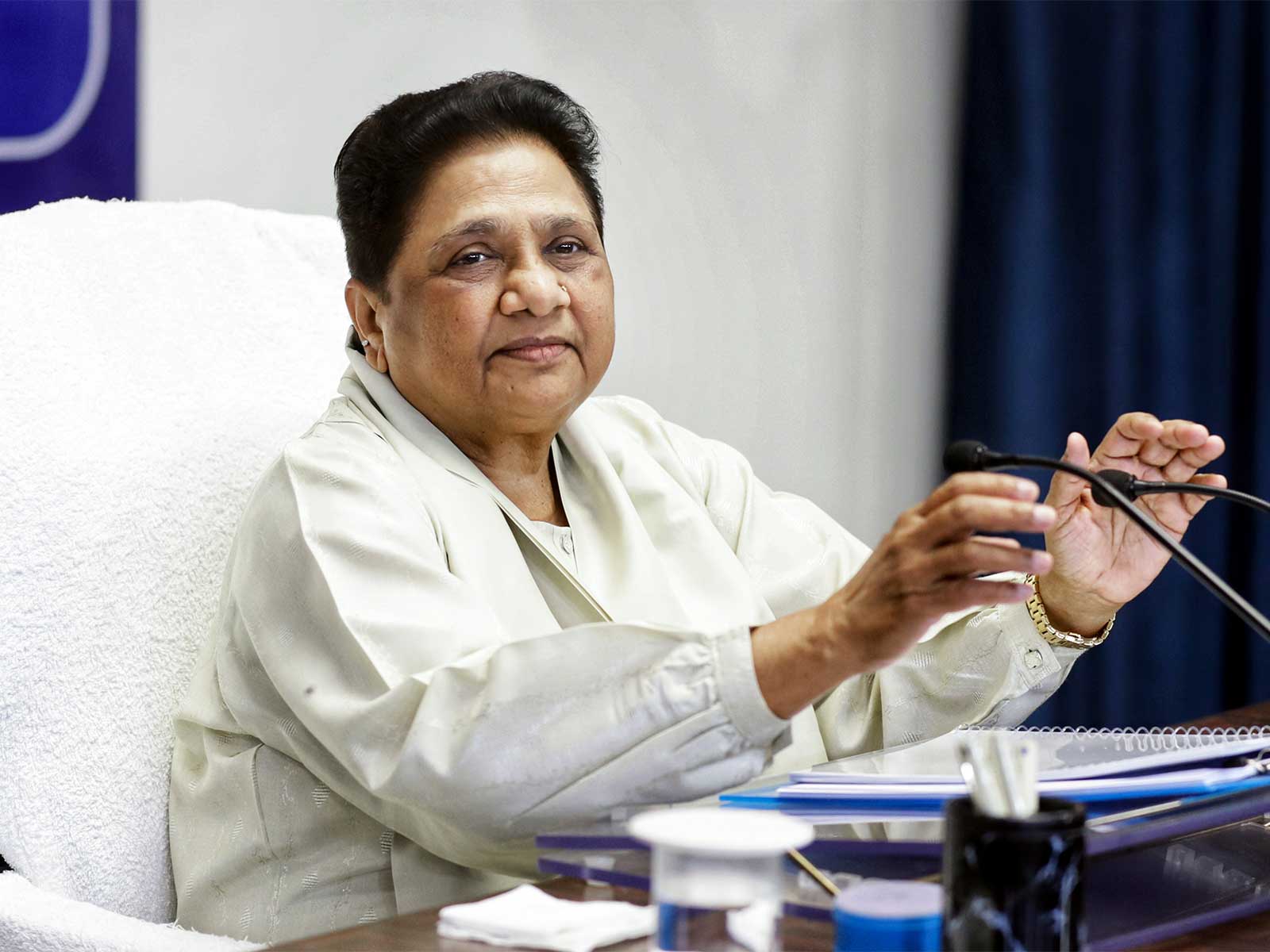
Bahujan Samaj Party supremo Mayawati has introduced a significant organizational reshuffle, elevating Ishan to a prominent party role while distancing herself from her niece, following previous moves involving Akash Anand. The political development signals a major strategic recalibration within the party as it navigates evolving regional dynamics.
In-Depth Analysis
The Bahujan Samaj Party (BSP) has witnessed another major structural shift as party supremo Mayawati announced a significant organizational overhaul. In a move that has drawn intense scrutiny from political analysts and opposition parties alike, the veteran leader has distanced herself from her niece, mirroring recent actions regarding her previously designated political successor, Akash Anand. Concurrently, Mayawati has announced a key organizational role for Ishan, designating fresh responsibilities aimed at rejuvenating the party grassroots.
This strategic restructuring comes at a critical juncture for the Bahujan Samaj Party, which has been seeking to reestablish its political foothold in Uttar Pradesh and wider national politics. The leadership changes highlight Mayawati's stringent approach to party management and her commitment to maintaining centralized control over the organizational hierarchy. Political observers note that these frequent adjustments reflect the ongoing challenges faced by the party in adapting to modern political landscapes and connecting with younger voter demographics.
Akash Anand, who was previously touted as the heir apparent and national coordinator of the BSP, had faced sudden distancing from the party leadership following certain public remarks and strategic miscalculations. The latest decision to sideline her niece further reinforces Mayawati's policy of absolute discipline and accountability within her inner circle and family ranks. By bringing in Ishan for a crucial role, the party leadership aims to inject new momentum into its cadre-based mobilization strategies.
The Bahujan Samaj Party, founded on the principles of social justice championed by Kanshi Ram, relies heavily on its core Dalit vote bank. However, recent electoral setbacks have forced the leadership to reevaluate its outreach mechanisms and leadership pipeline. The elevation of Ishan is seen as an attempt to groom alternative leadership that can resonate with the aspirations of marginalized communities while adhering strictly to the party's ideological framework.
Opposition parties have been closely monitoring these internal developments within the BSP, analyzing how the constant shifting of key lieutenants might impact the party's electoral prospects in upcoming legislative and local body elections. Meanwhile, grassroots workers have been urged to remain focused on strengthening the organization at the booth level, brushing aside internal controversies and concentrating entirely on community engagement.
As Mayawati continues to steer the party through turbulent political waters, the success of this new leadership configuration will largely depend on how effectively Ishan and other designated functionaries can mobilize support on the ground. The coming months will reveal whether these sweeping internal changes can successfully revitalize the Bahujan Samaj Party and restore its historical electoral dominance in the region.
How do you feel about this story?
Discussion
No comments yet. Be the first to share your thoughts.
Join the discussion
Sign in to share your thoughts on this story.