BNN Summary
Global energy markets continue to experience high volatility amid escalating tensions involving Iran. The United States military has successfully escorted over one billion barrels of oil through the critical Strait of Hormuz, while international diplomats address nuclear proliferation concerns and energy dependency challenges.
In-Depth Analysis
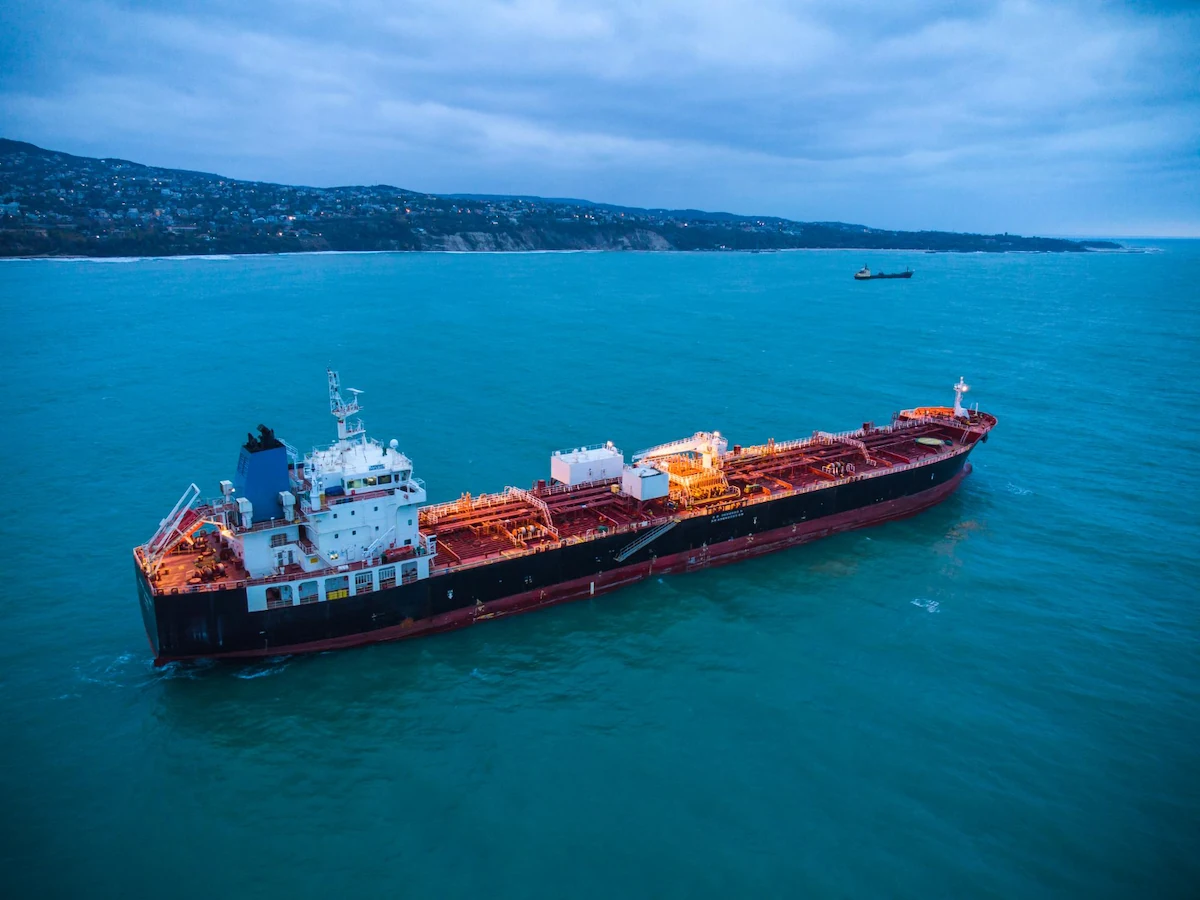
International energy markets remain under intense scrutiny as geopolitical tensions in the Middle East persist, directly impacting global trade routes and oil pricing structures. Recent reports from maritime and defense sectors indicate that the United States military has successfully escorted over one billion barrels of crude oil through the highly strategic Strait of Hormuz. This vital maritime chokepoint, which connects the Persian Gulf with the Gulf of Oman and the Arabian Sea, handles a substantial portion of the world's petroleum supply. Maintaining open navigation through this corridor remains an essential priority for global economic stability, preventing potential catastrophic supply shocks that could trigger severe worldwide inflation.
Simultaneously, diplomatic efforts are intensifying on the global stage. International leaders are addressing the longstanding security challenges posed by Iran's nuclear ambitions. High-level discussions emphasize that preventing nuclear proliferation in the region is paramount for international peace and security. Officials argue that a nuclear-armed Iran would radically destabilize the Middle East, sparking regional arms races and threatening critical shipping lanes upon which the global economy heavily relies. Strategic alliances are being forged and reinforced to present a unified international front regarding non-proliferation treaties and rigorous monitoring frameworks.
Complicating the geopolitical landscape are complex economic interdependencies, particularly involving major global powers and their energy consumption patterns. Observers note that while international oil prices currently remain elevated due to regional uncertainties, the situation could have deteriorated significantly worse without specific strategic trade arrangements. Major consuming nations, including China, continue to navigate delicate diplomatic balancing acts to secure steady energy supplies while complying with broader international sanctions and trade dynamics. Analysts point out that bilateral commercial agreements and strategic petroleum reserves play a crucial role in buffering domestic economies from sudden supply disruptions.
Energy analysts and market economists emphasize that the stability of crude oil prices is inextricably linked to the military security of maritime trade routes. Any escalation of hostilities in the Persian Gulf region risks immediate spikes in fuel costs, affecting everything from transportation and manufacturing to consumer goods worldwide. Consequently, naval patrols and intelligence-sharing initiatives in the Strait of Hormuz are expected to remain robust for the foreseeable future. Defense departments have reiterated their commitment to safeguarding international commerce against potential disruptions or threats from adversarial state actors.
As the situation unfolds, policymakers and industry leaders continue to monitor developments closely. The delicate intersection of military deterrence, nuclear diplomacy, and global energy security demands constant vigilance. Governments around the world are urged to accelerate diversification strategies and invest in alternative energy infrastructures to reduce vulnerability to regional conflicts in the Middle East. Nevertheless, the immediate focus remains on maintaining free navigation, curbing nuclear proliferation, and stabilizing global commodity markets to protect consumers from extreme economic hardship.
How do you feel about this story?
Discussion
No comments yet. Be the first to share your thoughts.
Join the discussion
Sign in to share your thoughts on this story.