BNN Summary
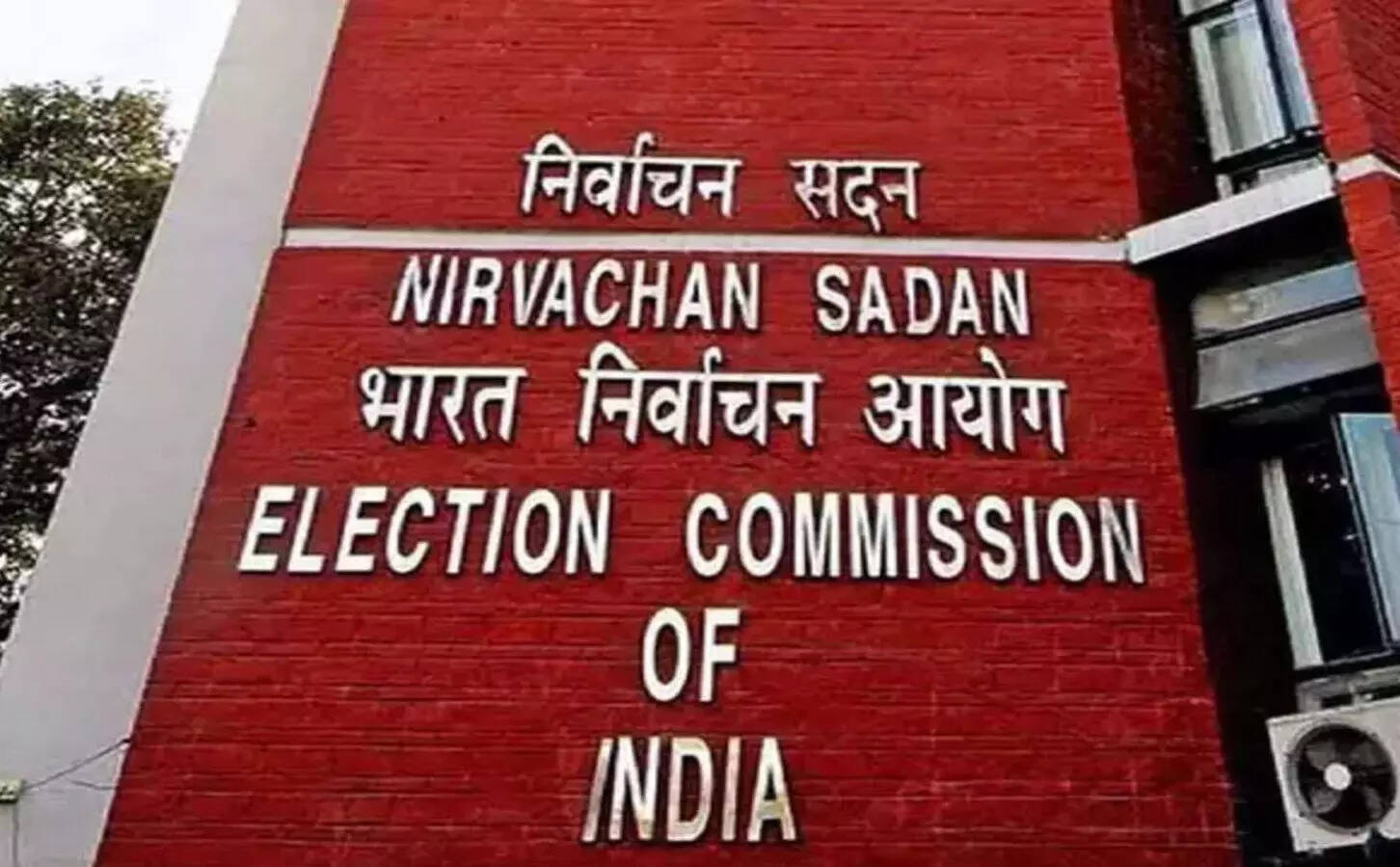
The Election Commission faces mounting pressure to address public concerns regarding electoral processes. Critics argue that institutional silence during critical political moments damages democratic trust, necessitating proactive communication and transparency from election authorities to maintain public faith.
In-Depth Analysis
In contemporary democracies, the credibility of electoral institutions forms the bedrock of governance and public trust. Recent events have thrust the Election Commission into the spotlight, sparking widespread debates regarding its communicative strategy and institutional transparency. As political polarization deepens and public scrutiny intensifies, observers note that maintaining a passive stance in the face of mounting controversies is no longer a viable option for constitutional bodies.
Democracies rely heavily on the perception of fairness, impartiality, and swift responsiveness from the agencies tasked with overseeing the democratic process. When questions are raised about electoral integrity, voting mechanics, or administrative decisions, a delayed response or complete silence can inadvertently fuel speculation and erode public confidence. Critics and constitutional experts argue that proactive communication is essential to dispel misinformation and reassure the electorate that institutions are functioning without fear or favor.
Historically, electoral oversight bodies operated under the premise that their official actions should speak for themselves, keeping public commentary to a minimum. However, the rapid proliferation of digital media, social networks, and real-time information sharing has drastically altered the socio-political landscape. In an era where rumors and unverified claims can spread globally within seconds, institutional silence is frequently misinterpreted as a defensive posture or an inability to address critical challenges. To counter this, communication experts advocate for a dynamic and transparent outreach strategy that actively engages with public concerns rather than retreating behind bureaucratic walls.
The debate also touches upon the delicate balance between maintaining political neutrality and providing necessary clarifications. While the Election Commission must remain strictly independent and avoid partisan political bickering, clarifying administrative procedures and defending the integrity of the electoral machinery falls squarely within its mandate. Failing to address substantive grievances can create a vacuum that is swiftly filled by political actors with partisan agendas, further complicating the public discourse and deepening societal divisions.
Furthermore, civil society organizations and legal scholars have emphasized that accountability is a two-way street. Citizens have the right to demand transparency, and institutions have a corresponding duty to provide clear, accessible, and timely explanations for their policies and decisions. Strengthening this feedback loop between the electorate and the oversight body is crucial for the health of the democratic framework. Rebuilding trust requires a deliberate effort to open channels of dialogue, demystify complex electoral processes, and demonstrate an unwavering commitment to openness.
Ultimately, the path forward demands a strategic recalibration of how electoral authorities communicate with the public they serve. Embracing a more communicative approach does not compromise independence; rather, it reinforces it by building a resilient shield of public trust. As the nation navigates future electoral cycles, the willingness of the Election Commission to break its silence and directly address the storm of controversies will serve as a definitive test of its institutional strength and dedication to democratic values.
How do you feel about this story?
Discussion
No comments yet. Be the first to share your thoughts.
Join the discussion
Sign in to share your thoughts on this story.