BNN Summary
Recent political developments highlight mounting opposition pressure regarding the Election Commission, alongside significant organizational restructuring by the ruling Bharatiya Janata Party ahead of upcoming regional polls. Leaders like Rahul Gandhi have raised serious concerns about election transparency, sparking intense nationwide debates and media discussions on electoral oversight.
In-Depth Analysis
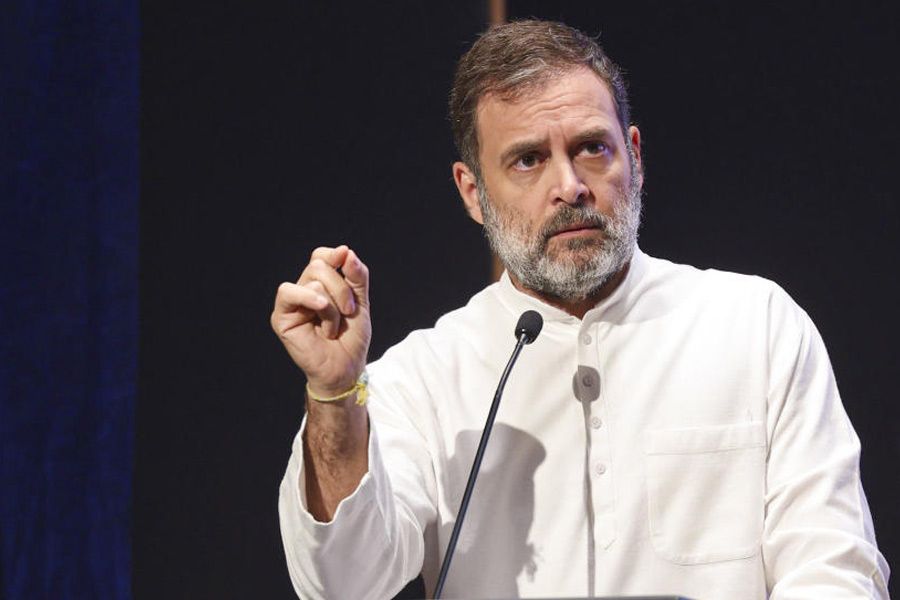
The political landscape is witnessing a surge of intense debates surrounding the administration of elections and institutional integrity, as prominent opposition leaders ramp up their scrutiny of the national electoral machinery. In recent addresses and public interactions, senior Congress leader Rahul Gandhi made significant remarks regarding the functioning and independence of the election oversight bodies. These statements have injected a fresh wave of urgency into ongoing political discourse, drawing sharp reactions from various political quarters and igniting fierce discussions across prime-time news panels.
Opposition Concerns and Public Scrutiny
Opposition factions have increasingly voiced apprehension over the transparency, fairness, and operational autonomy of regulatory institutions charged with conducting democratic exercises. Critics argue that robust institutional checks and balances are paramount to preserving the foundational tenets of parliamentary democracy. The recent disclosures and press briefings held from prominent venues like Indira Bhavan have sought to rally public awareness, pushing the discourse surrounding electoral fairness to the forefront of national headlines.
Political analysts note that the concerted push by opposition parties is designed to build a unified narrative on institutional oversight ahead of critical legislative battles. Talk shows and panel discussions have extensively analyzed whether these developments offer opposition groups a formidable political tool to challenge the ruling establishment on governance and accountability.
Strategic Realignment Within Ruling Organizations
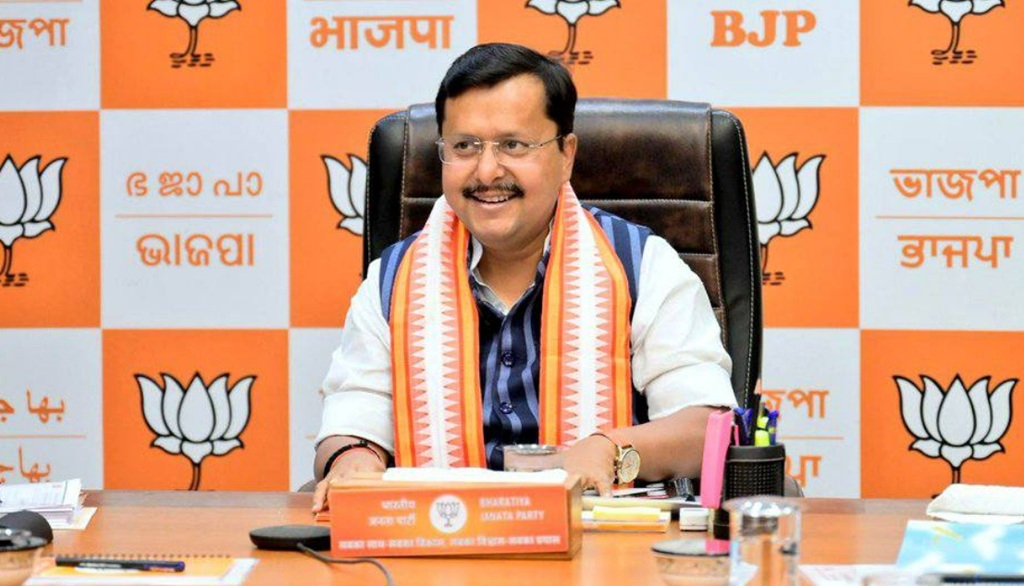
Simultaneously, the political arena is experiencing notable internal realignments. Ahead of upcoming electoral contests, the Bharatiya Janata Party (BJP) has executed a comprehensive overhaul of its regional organizational structure. This strategic reshuffle involves reassigning key responsibilities, bringing in fresh leadership cadres, and recalibrating grassroots outreach strategies to strengthen electoral prospects.
Such organizational overhauls are customary maneuvers designed to mitigate anti-incumbency sentiments, optimize administrative coordination, and address localized governance challenges. Party strategists believe that revitalizing the structural framework at the booth and district levels will enhance operational efficiency and voter mobilization.
Law and Order Implications in Regional Politics
Parallel to high-level strategic realignments, regional politics have been roiled by pressing law and order concerns. Recent incidents, including high-profile controversies involving local political figures and criminal investigations—such as high-stakes arrests following violent episodes—have further complicated the local socio-political environment. Media organizations have extensively covered these developments, focusing on accountability, the swift execution of justice, and the intersection of criminal conduct with political affiliations.
As election cycles approach, the convergence of institutional debates, high-level organizational restructuring, and localized security challenges ensures that the political environment remains intensely volatile. Both ruling and opposition camps are actively mobilizing resources, shaping public narratives, and preparing for an intensely contested electoral showdown that will significantly shape the future political direction of the country.
How do you feel about this story?
Discussion
No comments yet. Be the first to share your thoughts.
Join the discussion
Sign in to share your thoughts on this story.