BNN Summary
The Indian Youth Congress and prominent opposition leaders have escalated nationwide protests demanding the resignation of Chief Election Commissioner Gyanesh Kumar. The demonstrations follow explosive allegations regarding voter roll discrepancies and electoral irregularities, triggering intense political turmoil across multiple cities and setting the stage for a major parliamentary showdown.
In-Depth Analysis
The political landscape across India witnessed intense turmoil as nationwide protests erupted, spearheaded by the Indian Youth Congress and top opposition figures, demanding the immediate resignation of Chief Election Commissioner Gyanesh Kumar. The escalating agitation comes in the wake of severe allegations concerning electoral roll manipulation, voter deletion controversies, and deep-seated concerns regarding transparency in the electoral machinery.
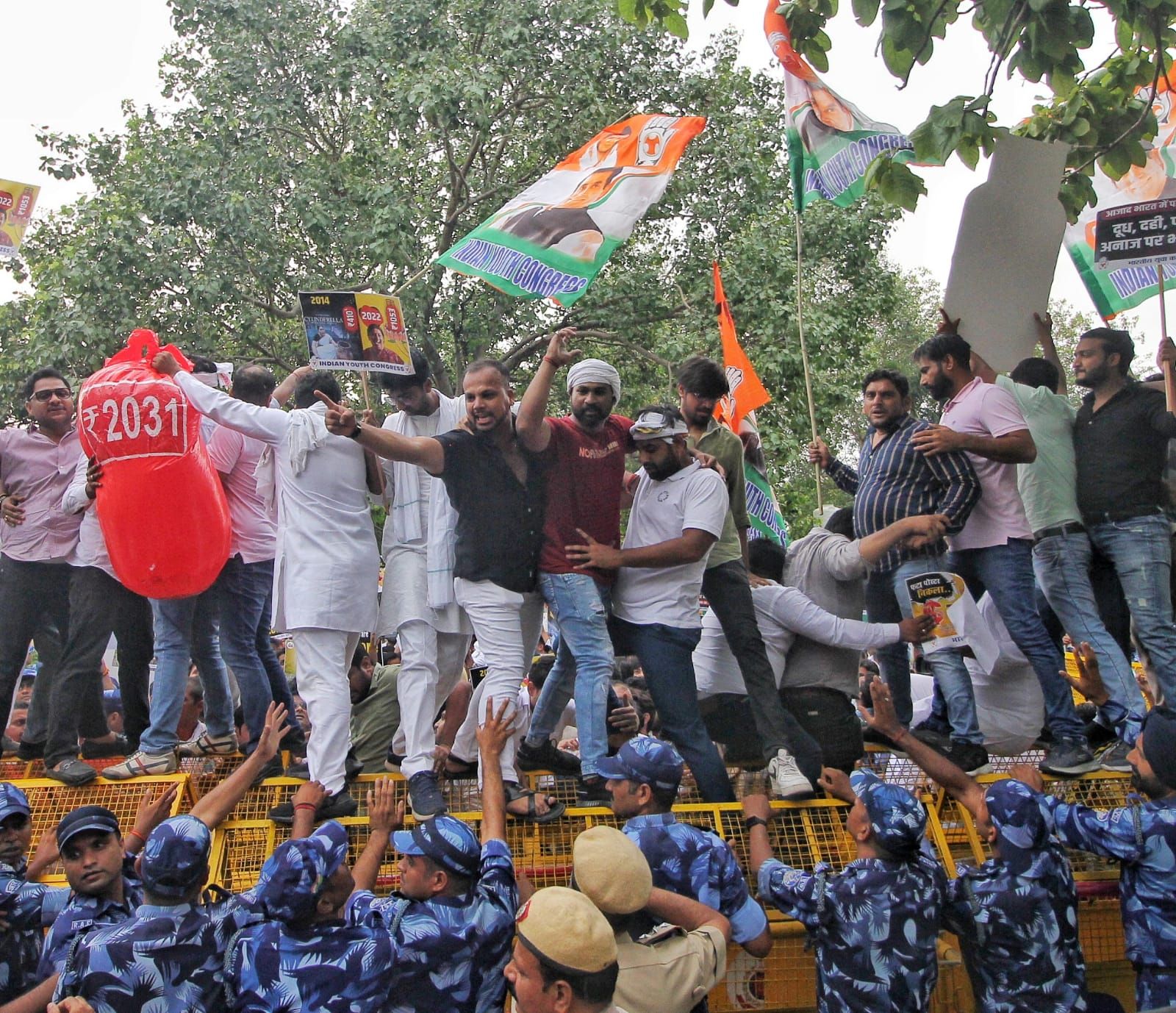
Demonstrations turned volatile in several states, including Bihar and West Bengal, where security forces deployed water cannons and heavy barricades to control charged crowds attempting to march toward key government and legislative buildings. Senior Congress leaders, including prominent parliamentarians, were briefly detained by police personnel during the demonstrations in Patna and Chandigarh, further fueling public outrage and hardening the stance of the opposition alliance.
The friction reached a boiling point after senior opposition leadership launched scathing verbal attacks against top government officials and the election oversight body. Accusations flew regarding systemic compromises in the democratic apparatus, prompting opposition parties to coordinate a fresh strategy inside and outside Parliament. Plans are currently underway to move an impeachment notice against Chief Election Commissioner Gyanesh Kumar, a move that threatens to plunge the legislative session into unprecedented legislative gridlock.
Political analysts note that the core of the controversy revolves around allegations of systematic voter suppression and anomalies discovered in recent electoral data rolls, colloquially termed 'vote chori' or vote theft by protesting factions. Youth Congress workers argued that the independence of constitutional institutions is under severe threat and vowed to continue their grassroots agitation until accountability is established at the highest levels. Protesters marched through major thoroughfares, carrying placards and shouting slogans demanding transparency, institutional reform, and the stepping down of the election chief.
Meanwhile, the ruling Bharatiya Janata Party launched a fierce counter-offensive, dismissing the opposition's campaign as a desperate attempt to discredit independent constitutional bodies following electoral setbacks. BJP spokespersons asserted that the proposed parliamentary impeachment motion lacks legal ground and is bound to fall flat in the house. The ruling establishment maintained that the Election Commission operates with utmost impartiality and that the opposition is merely resorting to disruptive tactics to mask its political irrelevance.
As the standoff intensifies, civil society organizations have also stepped into the fray, calling for calm, dialogue, and a thorough, independent judicial review of the electronic voting and voter registration systems. With both the government and the opposition refusing to back down, the impending parliamentary session promises to be exceptionally stormy, focusing national attention squarely on the autonomy and functioning of India's democratic institutions.
How do you feel about this story?
Discussion
No comments yet. Be the first to share your thoughts.
Join the discussion
Sign in to share your thoughts on this story.