BNN Summary
The political landscape in India faces mounting turmoil as the INDIA bloc demands the resignation of the Chief Election Commissioner following a severe dissent row within the poll body. Former election officials have weighed in with sharply contrasting views on the functioning of the commission, sparking a fierce national debate regarding institutional autonomy and transparency.
In-Depth Analysis
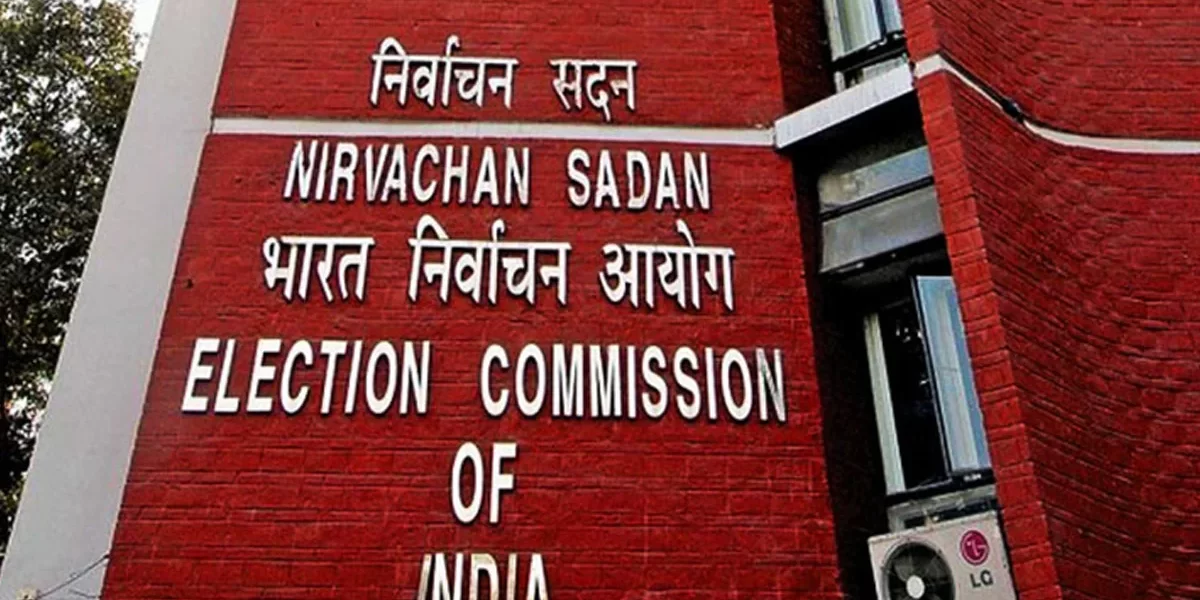
The controversy surrounding the Election Commission of India has intensified dramatically, drawing sharp reactions from the political opposition, former chief election commissioners, and constitutional experts. The escalation follows a series of internal disputes and dissent rows within the poll body, which have raised serious questions about transparency, decision-making processes, and the overall independence of India's premier electoral institution.
Opposition parties under the banner of the INDIA bloc have strongly condemned the internal developments, launching a concerted attack on the leadership of the commission. In a strongly worded joint statement, opposition leaders demanded the resignation of the Chief Election Commissioner, arguing that the institution's credibility has been severely compromised. They asserted that a constitutional body entrusted with conducting free and fair elections must maintain absolute neutrality and internal harmony, free from executive overreach or partisan perception.
The friction within the election authority became public after reports emerged detailing disagreements among the top commissioners regarding key administrative and procedural decisions. This rare display of internal discord triggered a nationwide debate, with critics questioning whether the commission operates as a collective, consultative body or a one-man show. The opposition argues that these developments threaten the democratic fabric of the nation and erode public trust in the electoral process.
Meanwhile, former Chief Election Commissioners have offered sharply divergent perspectives on the brewing crisis. Former CEC S.Y. Quraishi expressed deep concern over the handling of recent controversies, criticizing the emerging trends and emphasizing the vital importance of institutional integrity and consensus-building. Quraishi noted that public displays of dissent undermine the authority of the commission and demand immediate, transparent redressal to restore faith among voters and political stakeholders alike.
Conversely, former CEC O.P. Rawat stepped forward to defend the Election Commission, maintaining that internal differences of opinion are a natural part of any deliberative body and do not necessarily imply a systemic breakdown. Rawat argued that the commission has historically functioned under immense pressure and that the constitutional framework provides adequate mechanisms for handling administrative challenges. He cautioned against politicizing internal working dynamics, warning that continuous attacks on independent constitutional institutions could weaken democracy in the long run.
Legal and constitutional experts have also joined the discourse, highlighting the urgent need for structural reforms in how election commissioners are appointed and how internal disputes are resolved. Many analysts point out that recent legislative changes regarding the selection panel have further fueled political anxiety, making consensus and transparency more critical than ever.
As the political standoff continues, civil society organizations and various citizen groups have called for calm and restraint, urging the leadership of the Election Commission to address internal grievances transparently. With crucial state elections and political battles on the horizon, the pressure on the poll panel to clear the air, uphold its legendary legacy of independence, and restore complete faith in the electoral machinery has never been greater. The unfolding crisis serves as a stark reminder of the fragile balance required to maintain the sanctity of democratic institutions in the world's largest democracy.
How do you feel about this story?
Discussion
No comments yet. Be the first to share your thoughts.
Join the discussion
Sign in to share your thoughts on this story.