BNN Summary
Recent diplomatic developments at the United Nations and shifting political strategies in Canada highlight a widening chasm between Ottawa and the vision of global governance promoted by Donald Trump's political movement. As prominent figures like Mark Carney adopt a more assertive posture, Canada finds itself increasingly at odds with isolationist American trends.
In-Depth Analysis
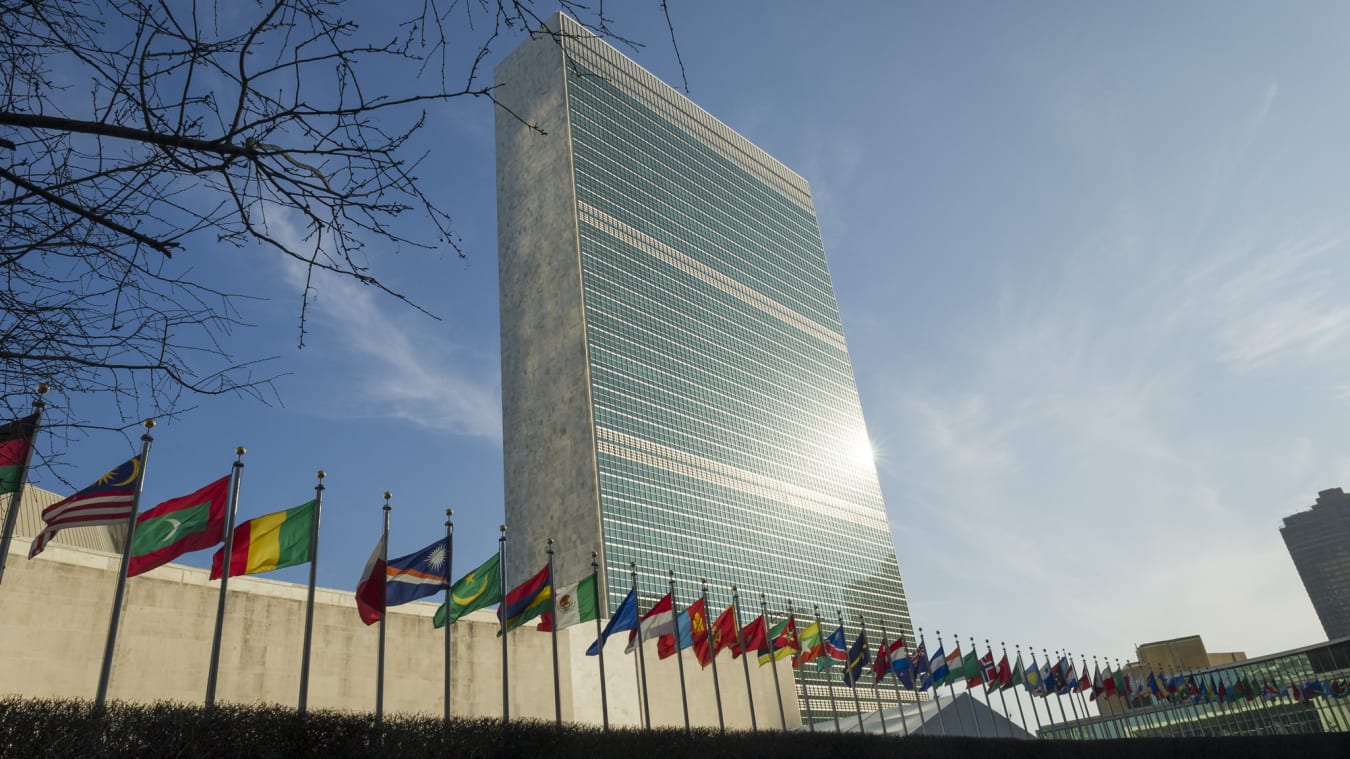
The international stage is currently witnessing a profound philosophical divergence, one that places traditional multilateralism on a direct collision course with rising nationalist and isolationist paradigms. Recent analyses from the United Nations General Assembly and diplomatic corridors underscore a growing ideological wedge driven between Canada and the United States under the political influence of Donald Trump.
For decades, the diplomatic relationship between Ottawa and Washington was characterized by a seamless alignment on core international principles, free trade frameworks, and collective security agreements. However, the resurgence of an 'America First' doctrine has fundamentally altered the geopolitical calculus for middle powers like Canada. Where Washington increasingly views global institutions with skepticism or outright hostility, Canadian foreign policy remains deeply anchored in the defense of multilateral frameworks, international law, and cooperative governance.
This tension is not merely theoretical; it is manifesting in strategic political shifts within Canada itself. Observers have noted a distinct evolution in how Canadian political and economic leaders approach the shadow cast by Trump's political movement. Rather than adopting a purely defensive crouch, influential figures have begun pivoting toward a more offensive posture. This includes actively diversifying trade partnerships, reinforcing alliances with European and Indo-Pacific democracies, and forcefully articulating the economic and moral benefits of an open global order.
At the core of this divide is a fundamental disagreement over the utility of international organizations. While the current American nationalist perspective often treats the United Nations and allied pacts as transactional burdens that disadvantage domestic interests, Canadian policymakers argue that these institutions are indispensable guardrails against global instability. The United Nations has thus become a primary theater for this ideological tug-of-war, with Canada frequently positioning itself as a steadfast defender of the liberal international order.
Domestically, this foreign policy divergence carries significant political weight. Canadian leaders must navigate the delicate task of managing an indispensable economic and security partnership with their southern neighbor while simultaneously distancing themselves from policies that threaten global stability. As the international community grapples with pressing transnational challenges—ranging from climate change to geopolitical conflicts—the widening gap between Canadian internationalism and Trump-era American isolationism threatens to redefine North American foreign relations for a generation.
Ultimately, this tale of two world orders poses critical questions for the future of global diplomacy. As middle powers seek to assert their agency in an increasingly fragmented world, Canada's evolving stance serves as a litmus test for how nations can resist populist inward turns while maintaining pragmatic engagement with global superpowers. The coming years will undoubtedly test the resilience of Canadian diplomacy as it charts an independent course through shifting global tides.
How do you feel about this story?
Discussion
No comments yet. Be the first to share your thoughts.
Join the discussion
Sign in to share your thoughts on this story.