BNN Summary
As shifting political winds alter the landscape of international diplomacy, Canada has found itself stepping into a much larger spotlight on the global stage at the United Nations. Amid evolving global alliances and tense media standoffs involving prominent figures like Donald Trump, Canadian diplomats are navigating a complex environment of heightened scrutiny, strategic positioning, and new diplomatic responsibilities.
In-Depth Analysis
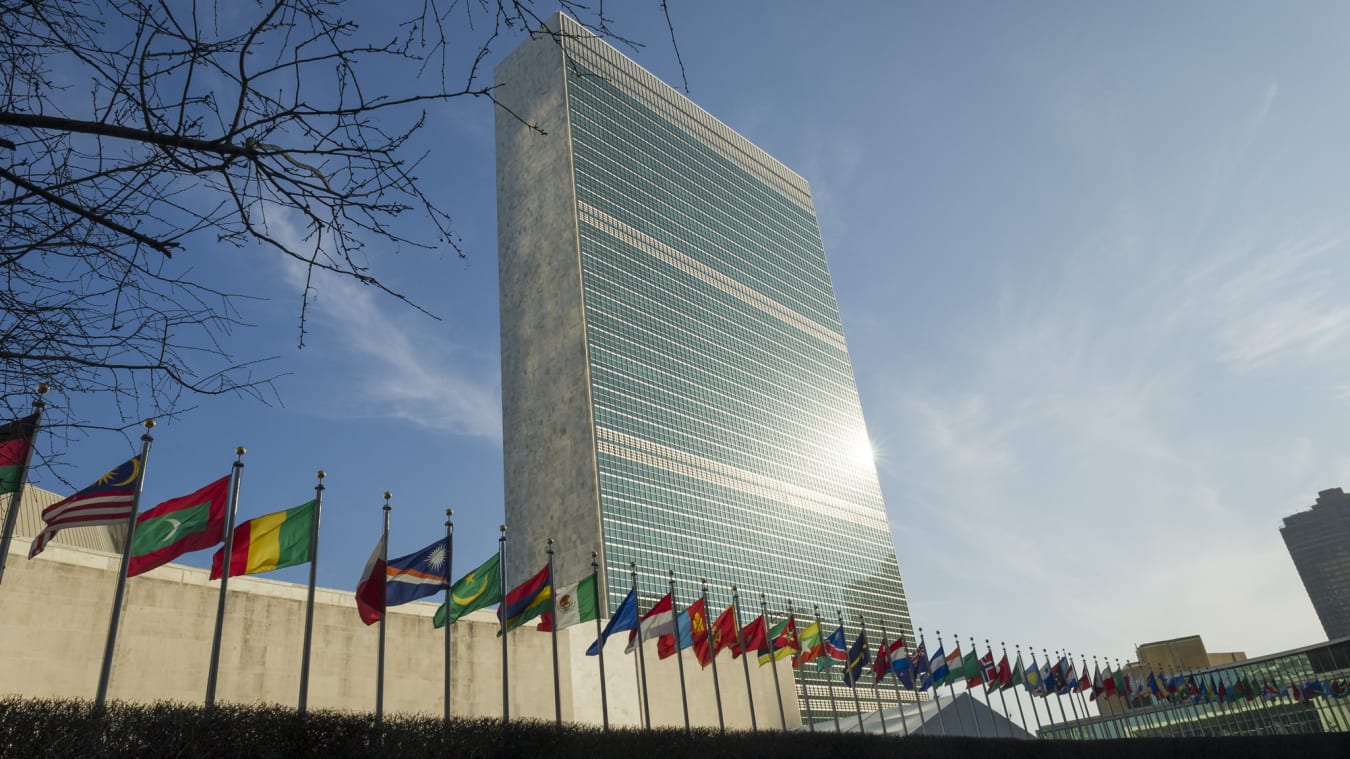
The annual gatherings at the United Nations often serve as a barometer for global geopolitics, highlighting shifting alliances, diplomatic tensions, and the rise of new leadership roles for member states. This year, against a backdrop of shifting political winds, Canada has found itself thrust further into the international spotlight than in previous years. As traditional power dynamics experience friction and global leaders recalibrate their foreign policies, Canadian diplomats and political figures are navigating a more prominent and demanding role on the world stage.
Throughout the recent diplomatic sessions, the atmosphere inside and outside the UN headquarters has been charged with anticipation and debate. Shifting political realities in North America and across the globe have forced nations to adapt their strategies regarding trade, security, climate change, and international cooperation. For Canada, this evolving environment presents both unique opportunities to influence global policy and distinct challenges in maintaining balanced relationships with key international partners, particularly its southern neighbor.
Simultaneously, the proceedings have been marked by high-profile friction involving international media and political figures. In one notable incident that captured global headlines, former United States President Donald Trump engaged in a tense standoff with journalists from major news networks, including CNN, underscoring the volatile relationship between prominent political actors and the press corps within international forums. Such moments of confrontation add an extra layer of complexity to multilateral gatherings, where every statement, glance, and interaction is scrutinized by global audiences.
Despite these distractions, substantive diplomatic work has continued behind the scenes. Canada has utilized its increased visibility to champion core multilateral priorities, including sustainable development, human rights, and the protection of international democratic norms. Canadian representatives have engaged in numerous bilateral and multilateral meetings aimed at forging consensus on pressing global crises, ranging from regional conflicts to economic instability.
Observers note that Canada's elevated profile at the UN is also a reflection of domestic political pressures and the desire of the current federal administration to project stability and reliability on the international stage. As global democracies face rising populist pressures and internal divisions, Canada is frequently viewed as a steadfast proponent of multilateralism. However, this positioning requires careful navigation to ensure that national interests remain protected while contributing constructively to collective global solutions.
As the UN sessions continue to unfold, the spotlight on Canada is expected to remain bright. The ability of Canadian leadership to leverage this attention effectively will play a crucial role in shaping the country's foreign policy outcomes for the foreseeable future. Whether through mediating difficult discussions, advocating for vulnerable nations, or managing complex bilateral tensions, Canada's diplomatic corps is facing one of its most demanding yet influential periods in recent history.
How do you feel about this story?
Discussion
No comments yet. Be the first to share your thoughts.
Join the discussion
Sign in to share your thoughts on this story.