BNN Summary
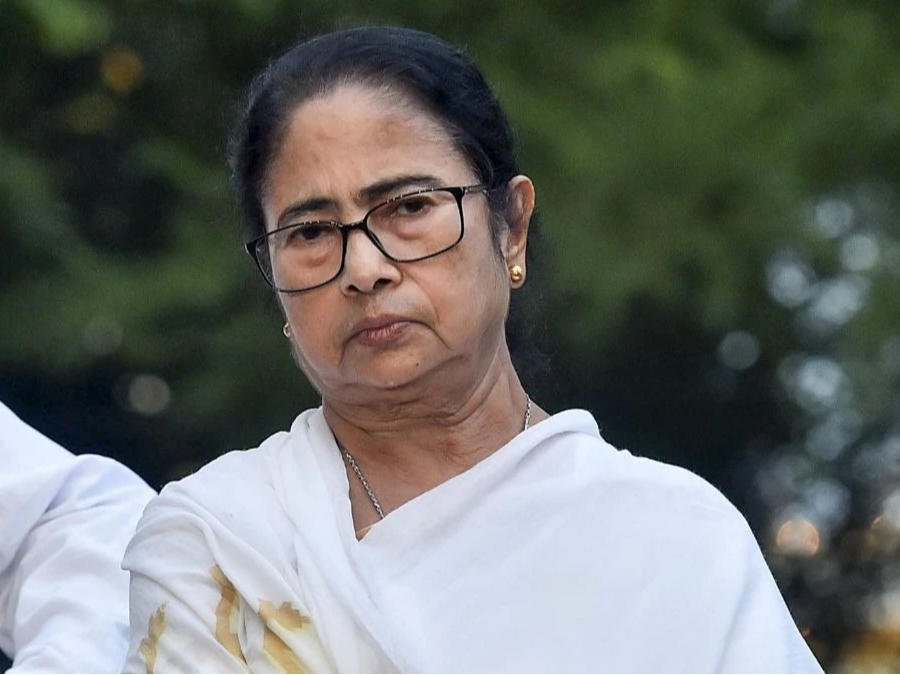
West Bengal Chief Minister Mamata Banerjee has extended unexpected support to the Congress party in the upcoming Nandigram bypoll. This surprising political move has sparked widespread speculation about a potential reset in the opposition dynamics within the state, altering traditional rivalry lines and prompting analysts to re-evaluate future electoral alliances against the ruling establishment.
In-Depth Analysis
The political landscape of West Bengal is witnessing a fascinating paradigm shift following a recent and unexpected move by Trinamool Congress supremo and Chief Minister Mamata Banerjee. In a development that has caught political analysts and rival parties by complete surprise, Banerjee has extended her backing to the Congress party for the upcoming bypoll in Nandigram. This strategic pivot has immediately ignited intense debates regarding whether the foundational dynamics of opposition politics in the state are undergoing a profound and permanent reset.
Nandigram holds massive symbolic and historical significance in West Bengal politics. It was the epicentre of the historic anti-land acquisition movement led by Mamata Banerjee in 2007, a grassroots uprising that ultimately paved the way for the end of the 34-year Left Front rule in 2011. Over the years, the region has transformed into a high-stakes political battleground. During the 2021 West Bengal Legislative Assembly elections, Nandigram witnessed one of the most fiercely contested electoral face-offs in modern Indian political history, where Mamata Banerjee personally contested against her former close aide-turned-rival, Suvendu Adhikari, who had recently switched allegiance to the Bharatiya Janata Party. The narrow defeat of Banerjee in Nandigram added emotional and strategic weight to the constituency, making any future political maneuvering there a matter of intense state-wide scrutiny.
Traditionally, the political equations in West Bengal have been defined by a triangular or sometimes bipolar contest involving the Trinamool Congress, the Bharatiya Janata Party, and the Left-Congress alliance. For years, the Congress party and the Left parties maintained a cooperative front against both the ruling Trinamool Congress and the surging Bharatiya Janata Party. However, local dynamics often defy state-level or national-level party lines. By backing the Congress candidate in the Nandigram bypoll, Mamata Banerjee has introduced a novel variable into the regional political calculus. This gesture has left political observers wondering whether this tactical convergence is merely an isolated local arrangement or the early harbinger of a broader, more cohesive anti-BJP opposition strategy in the eastern state.
Political commentators note that the Bharatiya Janata Party has been aggressively trying to consolidate its position as the principal opposition force in West Bengal. The rise of the saffron party in the state has deeply concerned regional satraps like Mamata Banerjee, who have continuously advocated for stronger regional unity and strategic cooperation among secular democratic forces to counter national juggernauts. While local Congress leadership has traditionally remained critical of the Trinamool Congress administration over various governance and law-and-order issues, a tactical accommodation at the grassroots level in key constituencies could potentially alter voter psychology and party worker morale.
Reactions from various political factions have been swift and varied. Spokespersons for the Bharatiya Janata Party have dismissed the development as an opportunistic arrangement, arguing that the ruling party is sensing defeat and is desperate to pool fragmented votes. On the other hand, local Congress cadres have expressed a mixture of surprise and cautious optimism, viewing the acknowledgment from the state's most powerful leader as a recognition of their local organizational footprint. Meanwhile, Left Front constituents are currently evaluating how this unexpected alignment will impact their own electoral base and future strategies in the region.
As the campaign for the Nandigram bypoll gathers momentum, all eyes will be on how local leaders translate this high-level signaling into ground-level mobilization. Whether this localized cooperation will serve as a pilot model for future electoral alliances or remain a standalone political anomaly is a question that will significantly shape the trajectory of West Bengal politics in the months leading up to major national and state milestones. For now, the political arena in Bengal is abuzz with speculation, proving once again that in politics, permanent enemies do not exist and strategic realignments can emerge from the most unexpected quarters.
How do you feel about this story?
Discussion
No comments yet. Be the first to share your thoughts.
Join the discussion
Sign in to share your thoughts on this story.