BNN Summary
The Delhi University Students Union elections have concluded with dramatic results, showcasing shifts in student politics, intense campaigning, organizational rebellions, and the complex interplay between major national political outfits and university campus dynamics.
In-Depth Analysis
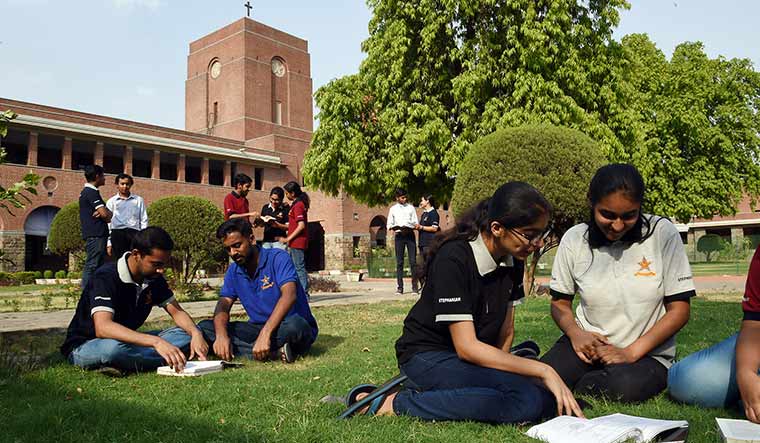
The Delhi University Students Union (DUSU) elections continue to serve as a critical barometer for national student politics in India, capturing the imagination of political pundits, student activists, and academic administrators alike. The recent election cycle proved to be no exception, marked by high-octane campaigns, strategic alliances, internal rebellions, and closely contested results across all major central panel posts, including President, Vice-President, Secretary, and Joint Secretary.
Campaign Trail and Political Stakes
Campus elections at Delhi University have long transcended traditional academic concerns, frequently mirroring the broader ideological and political rivalries played out on the national stage. Major student wings affiliated with national political parties poured substantial resources, manpower, and organizational strategy into reaching out to tens of thousands of voters across various colleges. Issues ranging from hostel accommodations, fee hikes, and infrastructural deficiencies to ideological debates on nationalism and social justice dominated manifesto releases and public debates.
Campaigning this year was characterized by aggressive social media outreach, extensive door-to-door campaigning within college corridors, and massive rallies that tested the patience of university authorities regarding adherence to code-of-conduct guidelines. Despite strict directives from courts and university administrators against defacement and excessive spending, vibrant posters and energetic student gatherings remained a ubiquitous feature of North and South campuses during the peak of election fever.
Rebellions and Organizational Friction
One of the most notable subplots of the election cycle was the internal dissent and organizational friction experienced within major factions. Discontent over ticket distribution led to prominent rebellions, with several dissenting leaders choosing to run as independents or aligning with rival factions. These internal fractures provided fascinating insights into local campus dynamics, testing the influence of prominent national student leaders and experimental strategies.
For instance, organizational experiments aimed at bridging ideological gaps and mobilizing grassroots momentum faced severe tests when faced with localized ambitions and college-level loyalty networks. Analysts monitoring the vote tallies noted that momentum generated by high-profile figures or ideological campaigns did not always translate smoothly into absolute vote shares at the ballot box, underscoring the independent nature of student choice in specific college pockets.
Election Day and Results Analysis
Polling day witnessed enthusiastic turnouts across constituent colleges, with serpentine queues forming outside polling booths from early morning. Security personnel were deployed in significant numbers to maintain law and order, ensuring that enthusiastic slogan-shouting did not escalate into physical confrontations between rival camps.
When the counting of votes finally commenced, the electoral battlegrounds yielded a split mandate in some categories and decisive victories in others. The contest for the President's post, traditionally seen as the ultimate prize in DUSU politics, was fiercely fought right down to the final rounds of counting. Securing key positions required candidates to build cross-campus coalitions and appeal to diverse student demographics, including first-year undergraduates navigating university life for the first time.
Implications for Future Campus Politics
The outcome of these elections offers vital clues about the shifting ideological leanings of India's urban youth. While traditional party-backed panels continue to command substantial loyalty through structured organizational machinery, the rise of independent voices and localized grievances points toward an electorate that increasingly evaluates candidates on individual merit and responsiveness to student welfare.
As the newly elected office-bearers assume charge, they face the immediate challenge of fulfilling their ambitious campaign promises. From addressing long-pending demands regarding affordable public transport and gender safety on campus to improving academic infrastructure, the victors must navigate the complex bureaucracy of Delhi University while remaining accountable to the student body that elected them. The legacy of this election cycle will undoubtedly shape political strategies for years to come.
How do you feel about this story?
Discussion
No comments yet. Be the first to share your thoughts.
Join the discussion
Sign in to share your thoughts on this story.