BNN Summary
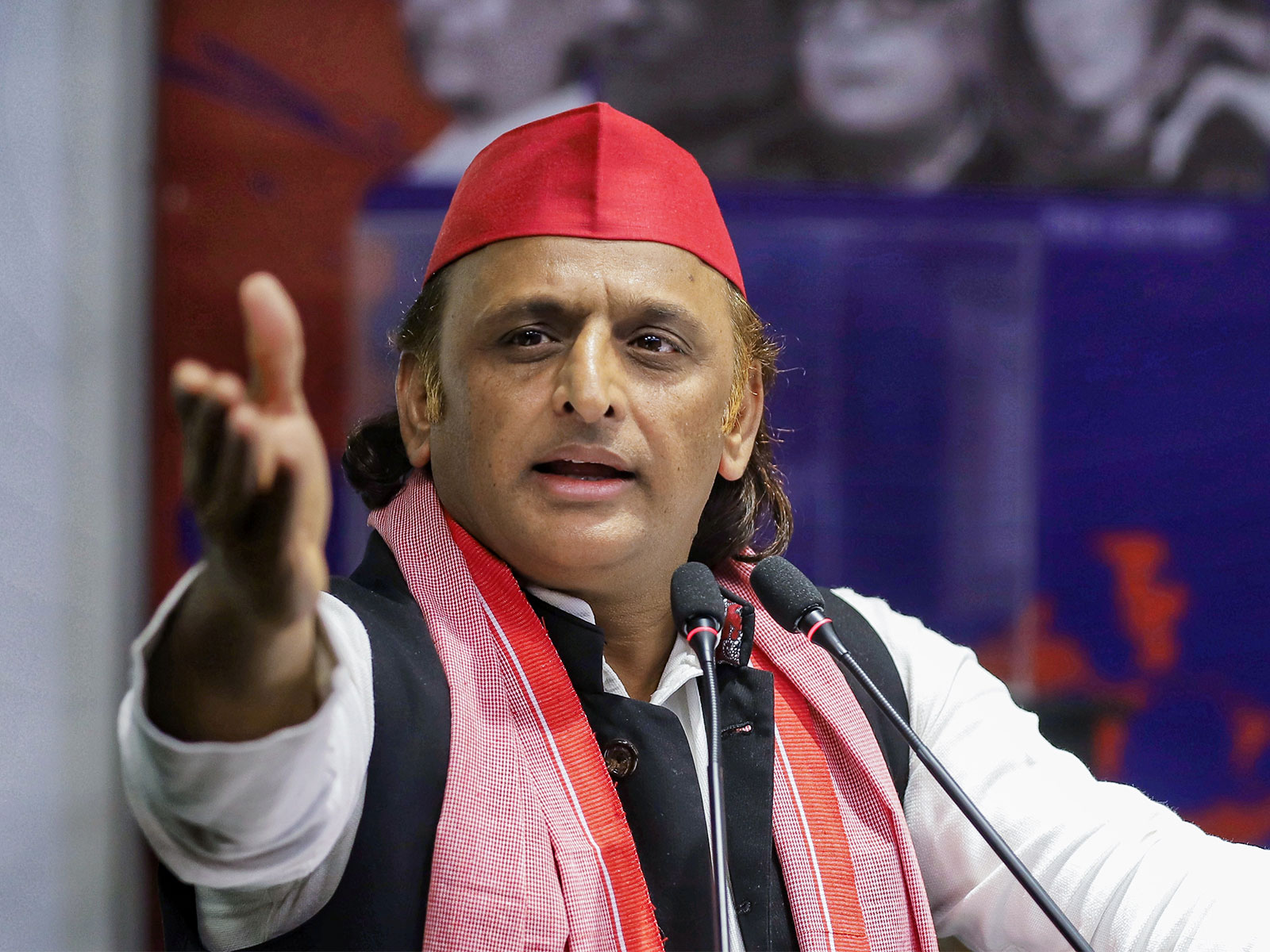
Samajwadi Party chief Akhilesh Yadav has introduced a meticulously planned electoral framework aimed at challenging the ruling Bharatiya Janata Party in Uttar Pradesh. By targeting a margin of twenty-seven thousand votes across specific constituencies, the party seeks to mobilize grassroots support and secure crucial electoral victories in upcoming political battles.
In-Depth Analysis
The political landscape in Uttar Pradesh is witnessing intense preparations as key political players gear up for future electoral battles. Samajwadi Party national president and former Chief Minister Akhilesh Yadav has officially laid out a comprehensive strategic blueprint designed to counter the dominant political machinery of the Bharatiya Janata Party. Central to this new electoral approach is a targeted campaign formula that focuses heavily on booth-level management, local demographic dynamics, and micro-targeting voters across critical constituencies.
During a high-level party meeting held at the party headquarters, Akhilesh Yadav detailed what political analysts are calling the twenty-seven thousand votes strategy. According to the party leadership, the core objective is to ensure that party workers secure at least twenty-seven thousand dedicated votes in every targeted assembly segment. By breaking down the massive statewide electorate into manageable booth-level targets, the Samajwadi Party aims to build an unshakeable support base capable of withstanding counter-mobilization efforts from rivals.
Political observers note that this strategy marks a significant shift from broad-based rhetorical campaigning to highly localized, data-driven electoral execution. The Samajwadi Party has instructed its district units, local cadres, and frontal organizations to map out every single polling booth within their respective jurisdictions. Workers have been tasked with identifying marginalized communities, backward classes, youth voters, and economically disadvantaged groups who may feel alienated by current economic policies. By addressing local grievances and presenting a cohesive alternative, the party hopes to bridge historical vote-share deficits.
Furthermore, the strategy emphasizes continuous engagement rather than seasonal campaigning. Party functionaries have been directed to maintain active communication channels with local communities throughout the year, addressing civic issues, advocating for local development, and holding regular public outreach programs. This sustained grassroots presence is intended to build trust and counter the extensive organizational reach of the ruling party.
Critics from the ruling party have downplayed the initiative, labeling it as a desperate attempt to regain lost political ground in a state where governance and development remain the primary talking points. However, loyalists and party strategists remain confident that the focused approach will yield positive dividends. They argue that successful implementation of the booth-level strategy will neutralize polarization tactics and shift the electoral discourse back to core issues such as unemployment, inflation, and rural distress.
As the political temperature in Uttar Pradesh continues to rise, the effectiveness of Akhilesh Yadav's latest electoral formula will be closely watched by political pundits across the country. With both major political camps intensifying their groundwork, the battle for Uttar Pradesh promises to be fiercely contested, setting the stage for a high-stakes political showdown in the nation's most populous state.
How do you feel about this story?
Discussion
No comments yet. Be the first to share your thoughts.
Join the discussion
Sign in to share your thoughts on this story.