BNN Summary
World leaders are converging at the United Nations to address a convergence of unprecedented global crises, ranging from escalating geopolitical conflicts and climate change emergencies to the rapid, unregulated expansion of artificial intelligence. The high-stakes summit highlights profound international divisions and an urgent need for collaborative multilateral solutions.
In-Depth Analysis
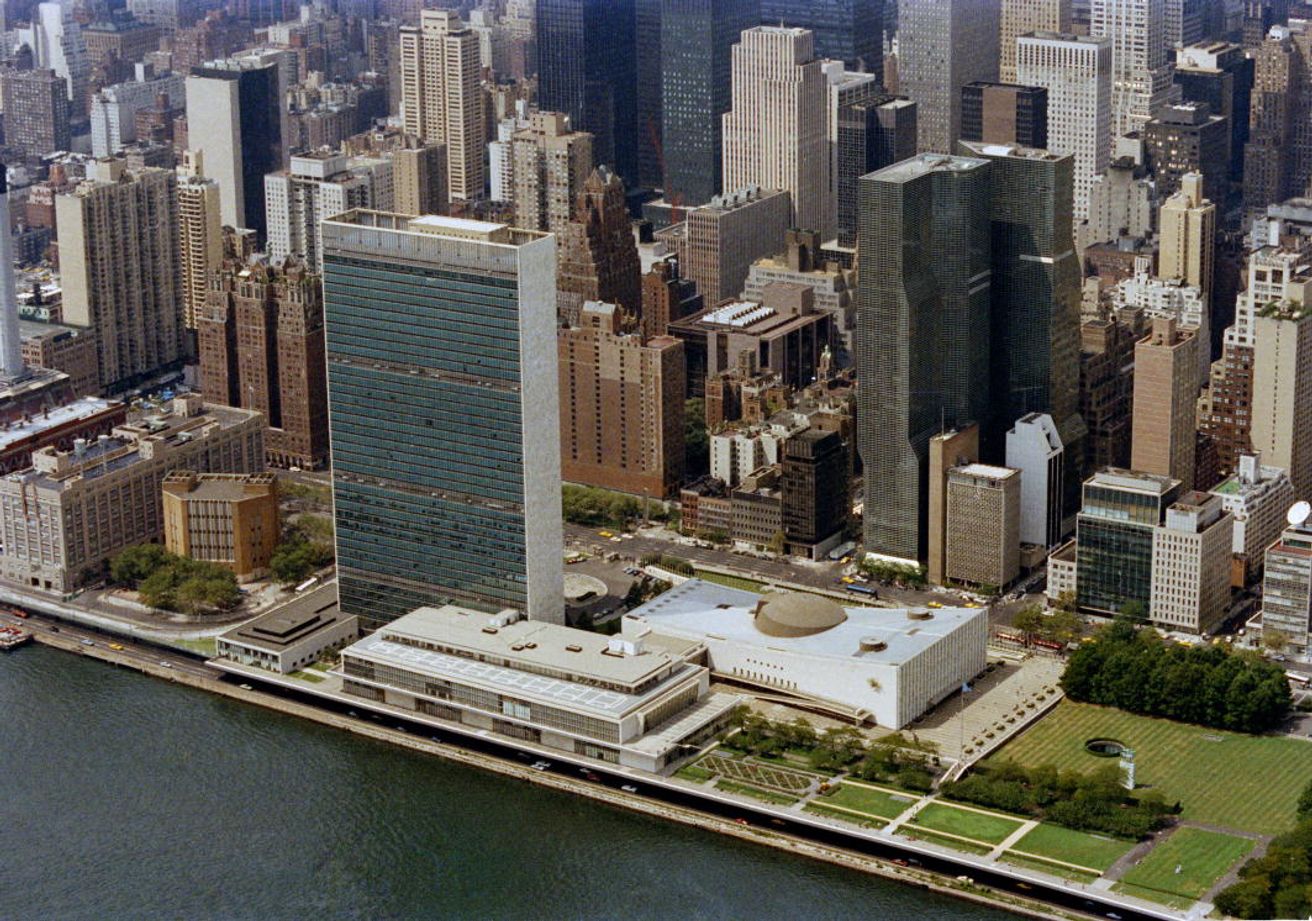
World leaders, diplomats, and international delegates have converged at the United Nations headquarters for a high-stakes annual gathering that unfolds against one of the most volatile geopolitical and environmental backdrops in recent history. The summit brings together heads of state from across the globe to confront a convergence of compounding crises, including relentless armed conflicts, accelerating climate change catastrophes, and the disruptive, rapid rise of artificial intelligence.
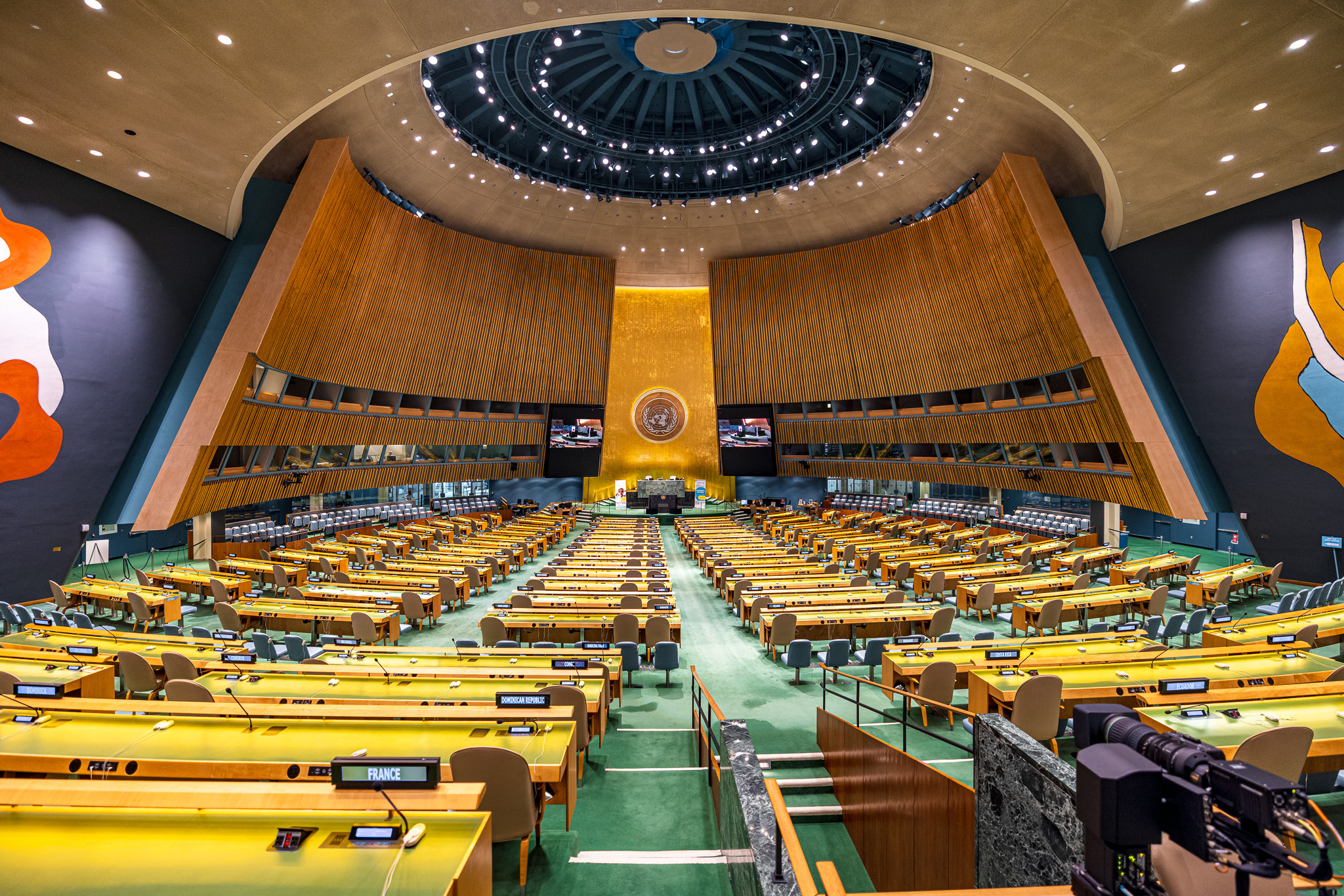
As delegates fill the iconic General Assembly hall, the prevailing atmosphere is one of profound urgency mixed with mounting skepticism regarding the international community's capacity to deliver decisive solutions. Ongoing wars in multiple regions have displaced millions, severely strained humanitarian aid budgets, and frayed diplomatic ties among major global powers. The United Nations finds itself severely tested as traditional alliances shift and the rules-based international order faces unprecedented pressure from rising nationalisms and strategic rivalries.
Climate change has emerged as another dominant and terrifyingly immediate theme of the discussions. Record-breaking heatwaves, devastating floods, and intensifying wildfires across continents have underscored the chilling reality that global warming is no longer a distant threat but a present-day emergency. Developing nations, which bear the least responsibility for historic carbon emissions, are increasingly demanding immediate financial and technical assistance from industrialized economies. Leaders are under immense pressure to commit to more aggressive carbon reduction targets, yet economic anxieties and domestic political hurdles often impede bold multilateral action.
Simultaneously, the explosive advancement of artificial intelligence has introduced an entirely new dimension of global risk and opportunity. While technology advocates tout AI's potential to revolutionize medicine, education, and economic productivity, policymakers are grappling with its dark side. Unregulated algorithms, the proliferation of sophisticated deepfakes, automated warfare systems, and severe labor market disruptions pose systemic threats to global security and social stability. Leaders are debating the framework for international guardrails to ensure that artificial intelligence serves humanity rather than destabilizing democratic institutions and exacerbating global inequalities.
Amid these overlapping crises, the traditional debates at the United Nations reflect deep institutional gridlock. Calls for reforming the UN Security Council to better represent the modern geopolitical landscape have grown louder, with many nations arguing that the current structure is obsolete and incapable of managing twenty-first-century threats. Despite these systemic challenges, the gathering remains an indispensable diplomatic forum where adversaries can engage directly, forge emergency coalitions, and seek paths toward conflict resolution and sustainable development. The coming days of negotiations will test whether global leadership can transcend narrow national interests to address the shared existential perils facing humankind.
How do you feel about this story?
Discussion
No comments yet. Be the first to share your thoughts.
Join the discussion
Sign in to share your thoughts on this story.