BNN Summary
Diplomats from around the globe have gathered at the United Nations annual meeting, describing the current international landscape as messy, troubled, and deeply unpredictable due to escalating conflicts, humanitarian crises, and geopolitical fragmentation.
In-Depth Analysis
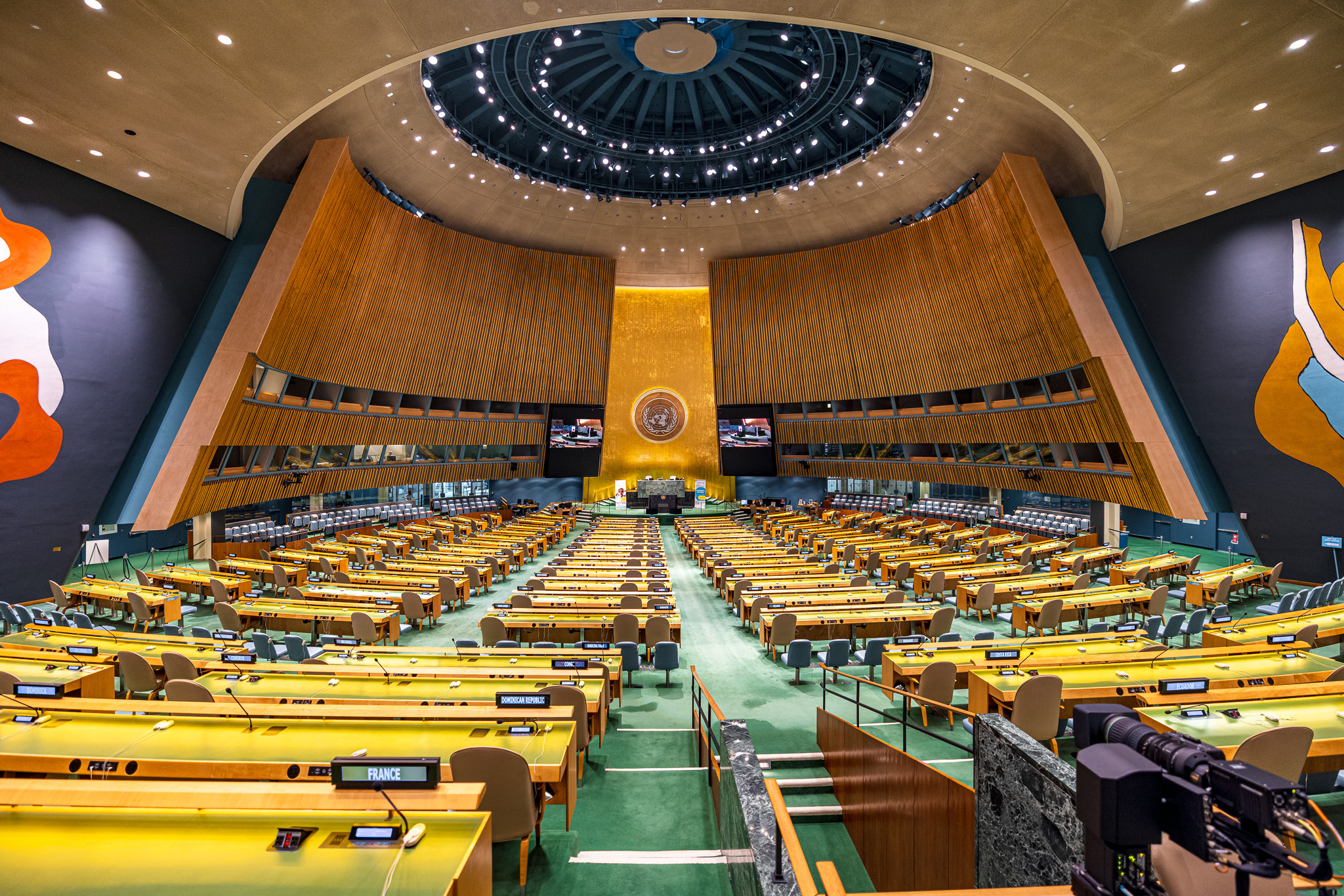
As world leaders and high-ranking diplomats descend upon New York City for the opening of the United Nations annual high-level meeting, the overarching sentiment echoing through the halls of the international organization is one of profound anxiety and weariness. Veteran diplomats, international relations experts, and state representatives have universally characterized the current global order as messy, troubled, and increasingly unpredictable. This pessimistic outlook stems from a convergence of severe international crises that continue to challenge the foundational principles of multilateral diplomacy and international law.
Escalating Global Conflicts and Humanitarian Crises
The gathering unfolds against the backdrop of multiple active and intractable conflicts that have strained global stability. From the prolonged war in Ukraine to the devastating escalation of violence in the Middle East, international bodies find themselves severely constrained in their ability to broker lasting peace or enforce security resolutions. The humanitarian toll of these conflicts has reached staggering proportions, with millions of civilians displaced, critical infrastructure destroyed, and food and energy security threatened worldwide. Diplomats have expressed growing frustration over the paralysis within the United Nations Security Council, where deep geopolitical divisions among permanent members frequently block decisive action, rendering the institution seemingly powerless in the face of widespread aggression.
The Erosion of Multilateralism and Trust
Beyond specific regional wars, the broader architecture of international cooperation is facing an existential crisis. Trust among major world powers has plummeted to levels not seen since the height of the Cold War. Protectionist economic policies, technological decoupling, and fierce competition for critical resources have replaced the cooperative spirit that once drove globalization. Smaller developing nations have voiced deep resentment over what they perceive as a double standard in how international rules are applied, as powerful nations frequently bypass UN mechanisms to pursue narrow national interests. This growing fragmentation has created a volatile diplomatic ecosystem where alliances are fluid, retaliatory measures are common, and long-term strategic planning is consistently upended by sudden crises.
Climate Emergency and Economic Uncertainty
Compounding the geopolitical strife is the relentless acceleration of climate change. Extreme weather events, prolonged droughts, and rising sea levels are placing immense strain on vulnerable economies, particularly across the Global South. During preliminary discussions, delegates emphasized that the international community is severely lagging behind its emission reduction targets and failing to provide adequate financial support for climate adaptation. Meanwhile, stubborn inflation, mounting sovereign debt burdens in developing countries, and supply chain vulnerabilities have created widespread economic anxiety. Leaders face the daunting task of addressing these interconnected emergencies while managing domestic political pressures that frequently push toward isolationism and populist rhetoric.
Looking Ahead: The Search for Solutions
Despite the grim assessments, the annual UN meeting remains an indispensable platform for dialogue. Even as diplomats acknowledge the immense hurdles ahead, many stress that the very existence of the forum provides a vital lifeline to prevent total systemic collapse. Throughout the week-long summit, bilateral talks, closed-door negotiations, and formal addresses will test whether world leaders can rise above immediate grievances to forge meaningful consensus. Whether this gathering will result in tangible commitments or merely serve as another venue for rhetorical grievances remains to be seen, but the urgency for collaborative problem-solving has never been more apparent as the world navigates one of its most turbulent eras in modern history.
How do you feel about this story?
Discussion
No comments yet. Be the first to share your thoughts.
Join the discussion
Sign in to share your thoughts on this story.