BNN Summary
The Netherlands is actively preparing for potential severe United States sanctions directed at the International Criminal Court, headquartered in The Hague. Dutch authorities and international legal experts are expressing deep concern over the diplomatic escalation and its potential impact on global justice operations.
In-Depth Analysis
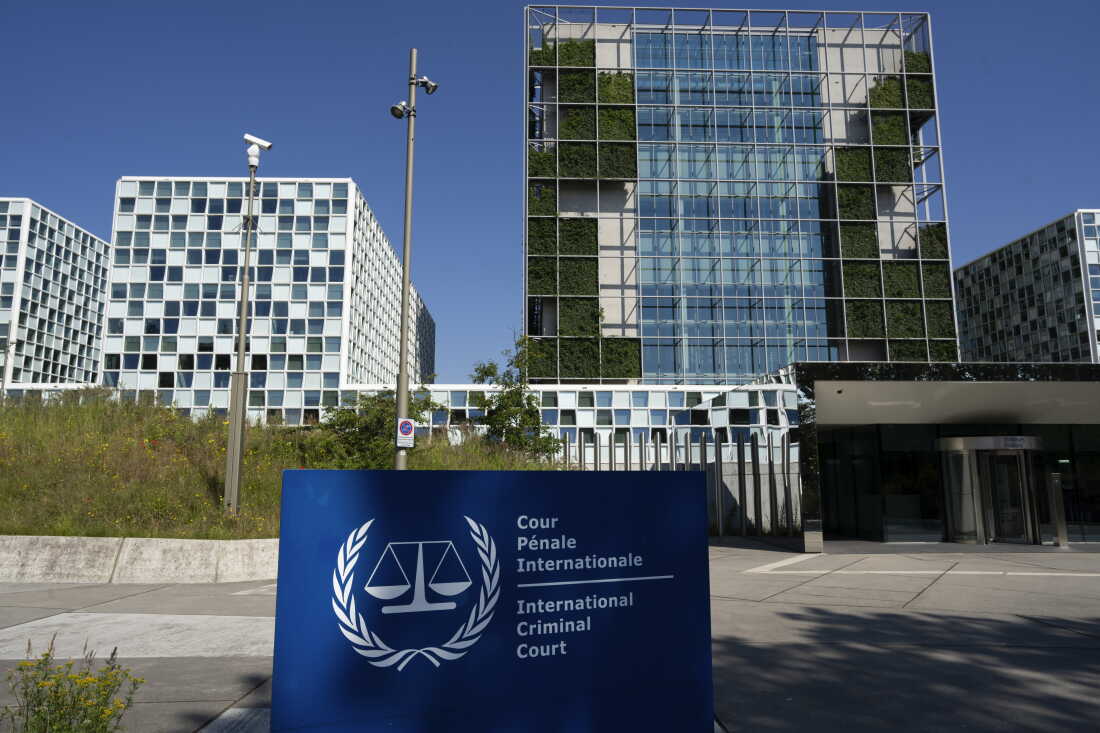
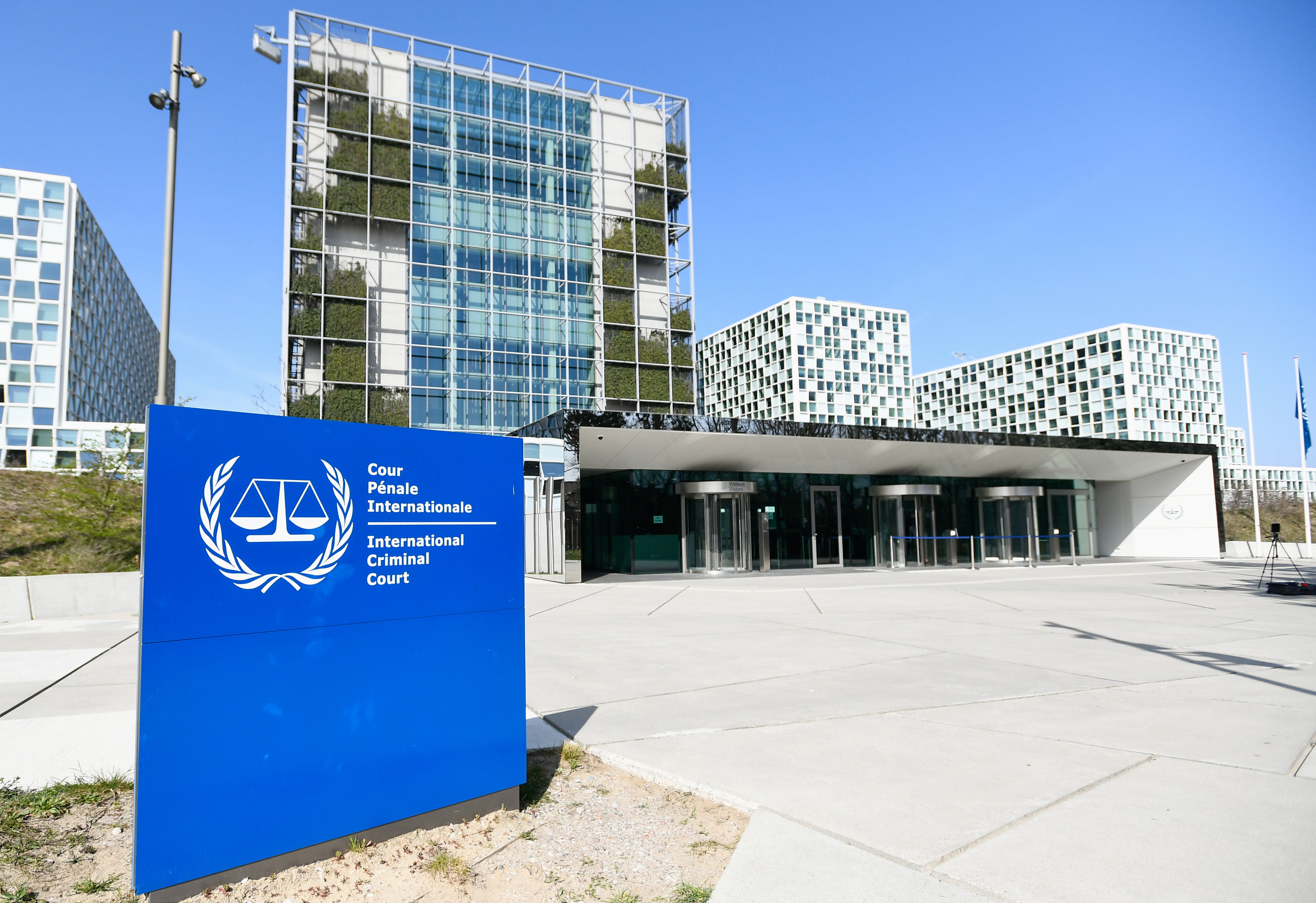
The Netherlands is currently bracing itself for potentially devastating sanctions from the United States directed against the International Criminal Court (ICC), which is headquartered in the Dutch city of The Hague. This looming diplomatic and legal crisis has put the Dutch government in a precarious position as it balances its status as the host nation for international tribunals with its broader geopolitical alliances.
Background Of The Tensions
The friction between the United States and the International Criminal Court is not entirely new, but recent developments have escalated tensions to unprecedented levels. Washington has historically maintained a cautious and often skeptical stance toward the ICC, largely due to concerns that American military personnel and allied officials could be subjected to politically motivated or intrusive prosecutions. While the United States is not a state party to the Rome Statute that established the court, previous administrations have occasionally cooperated with the institution on specific investigations involving war crimes and atrocities in conflict zones.
However, recent prosecutorial actions and potential arrest warrant considerations by the ICC regarding conflicts in the Middle East have triggered fierce backlash from American lawmakers. Members of the United States Congress have proposed sweeping retaliatory measures, which could include severe economic sanctions, asset freezes, and broad travel bans targeting ICC officials, judges, prosecutors, and potentially even administrative staff members.
The Impact On The Host Nation
As the host country, the Netherlands holds a unique legal obligation under the 'Headquarters Agreement' to ensure that the ICC can operate freely and securely without external interference or intimidation. Dutch officials have repeatedly emphasized the critical importance of upholding the independence of international judicial institutions. At the same time, the Dutch government maintains a steadfast and vital strategic partnership with the United States within the framework of the North Atlantic Treaty Organization (NATO).
If Washington moves forward with enacting comprehensive and heavy-handed sanctions against the ICC, it could place the Netherlands in an exceedingly difficult diplomatic dilemma. Financial institutions operating within Dutch jurisdiction could find themselves caught between compliance with aggressive United States sanctions regimes and adherence to European Union regulations and international law. Such a scenario could disrupt the day-to-day operations of the court, impacting everything from routine administrative budgeting to complex international investigative missions.
International Reactions And Legal Concerns
Global human rights organizations, legal scholars, and various European Union member states have expressed profound alarm over the prospect of United States punitive actions against the international tribunal. Critics of the proposed sanctions argue that penalizing a judicial body for carrying out its mandated duties undermines the fragile framework of international humanitarian law and sets a dangerous precedent for global accountability.
Legal experts point out that targeting the ICC with economic warfare could severely hobble ongoing investigations into war crimes, crimes against humanity, and genocide across multiple continents. While the United States frames its opposition as a defense of national sovereignty and the protection of its service members, defenders of the court argue that the ICC serves as a crucial court of last resort for victims of atrocities who have no other avenue for justice.
Looking Ahead
Diplomatic channels between The Hague and Washington remain active as Dutch diplomats attempt to navigate the crisis and urge moderation. European Union leaders are also holding consultations to formulate a unified response in the event that the United States proceeds with the legislative measures.
For the Netherlands, the coming weeks will require delicate diplomacy to protect its obligations as a champion of international law while managing its alliance with Washington. The situation underscores the enduring tension between national sovereignty and the enforcement of universal human rights standards on the global stage.
How do you feel about this story?
Discussion
No comments yet. Be the first to share your thoughts.
Join the discussion
Sign in to share your thoughts on this story.