BNN Summary
High-stakes diplomatic maneuvers and strategic announcements take center stage at the United Nations General Assembly, as world leaders debate global security, territorial expansion, and international cooperation amidst mounting geopolitical tensions.
In-Depth Analysis
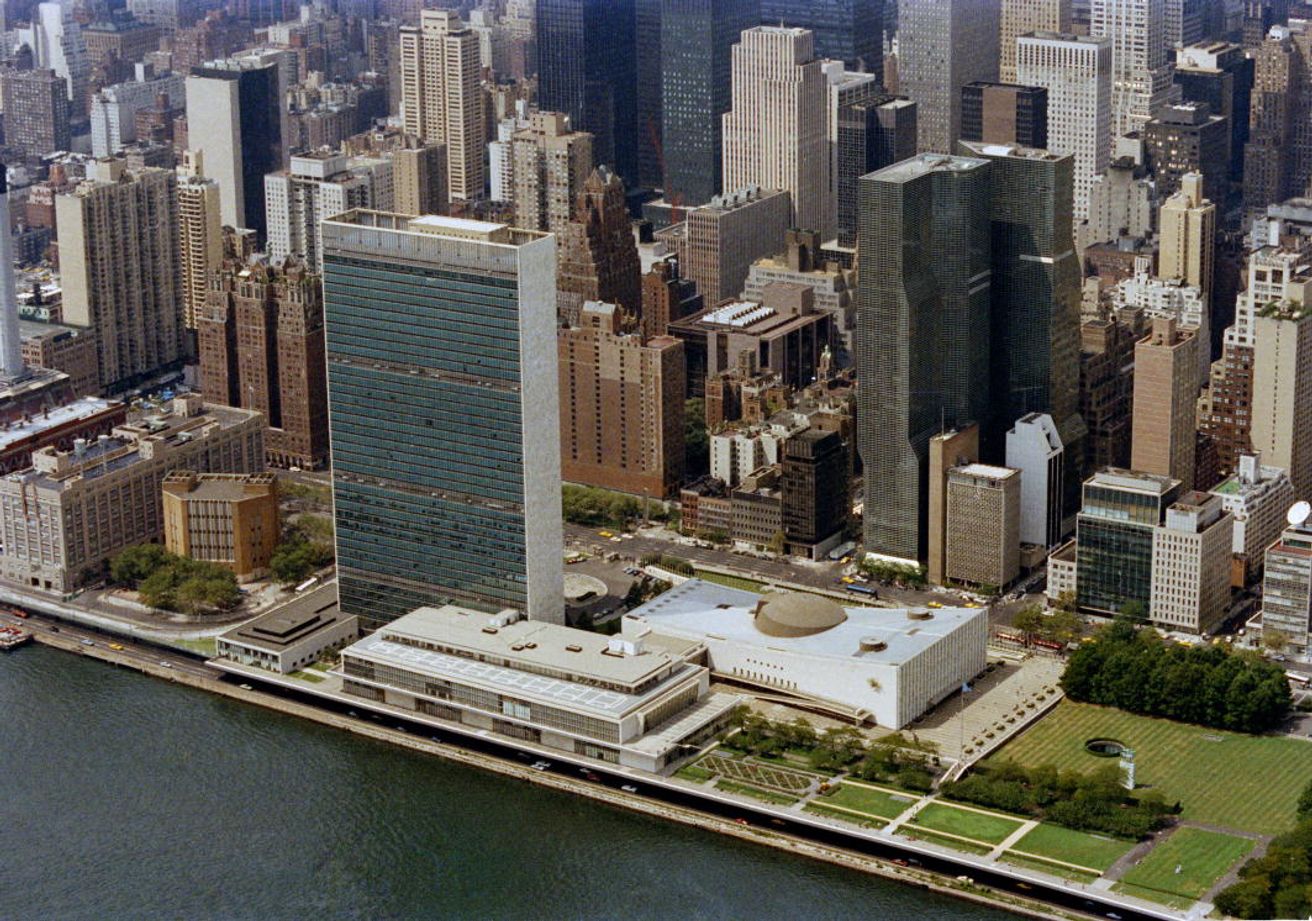
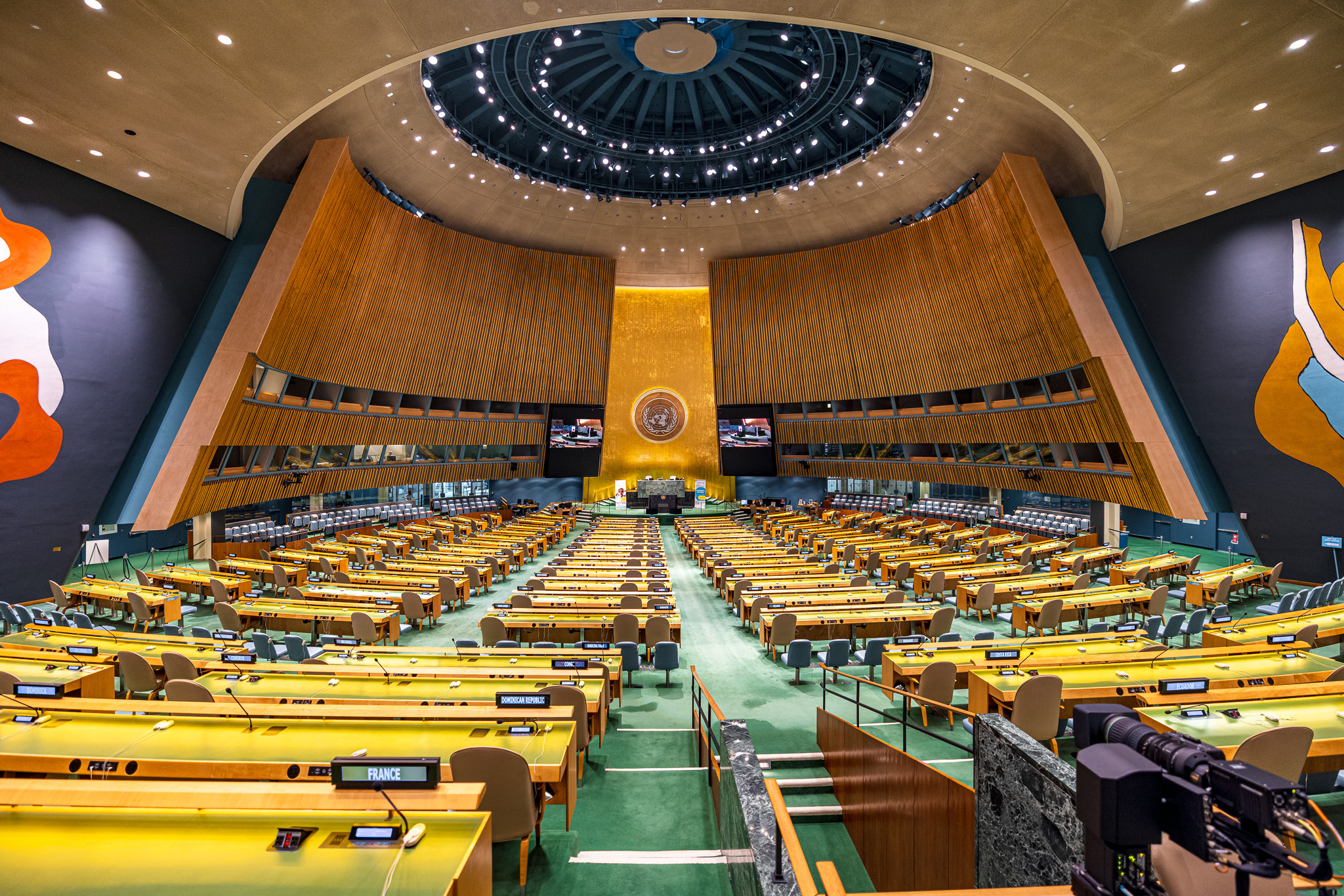
The annual gathering of the United Nations General Assembly has once again transformed the global diplomatic landscape into a high-stakes arena of power politics, strategic posturing, and intense international debate. Leaders from around the world have descended upon New York to address critical challenges facing the international community, ranging from protracted regional conflicts to ambitious territorial announcements that threaten to rewrite established geopolitical norms.
Strategic Announcements And Security Debates
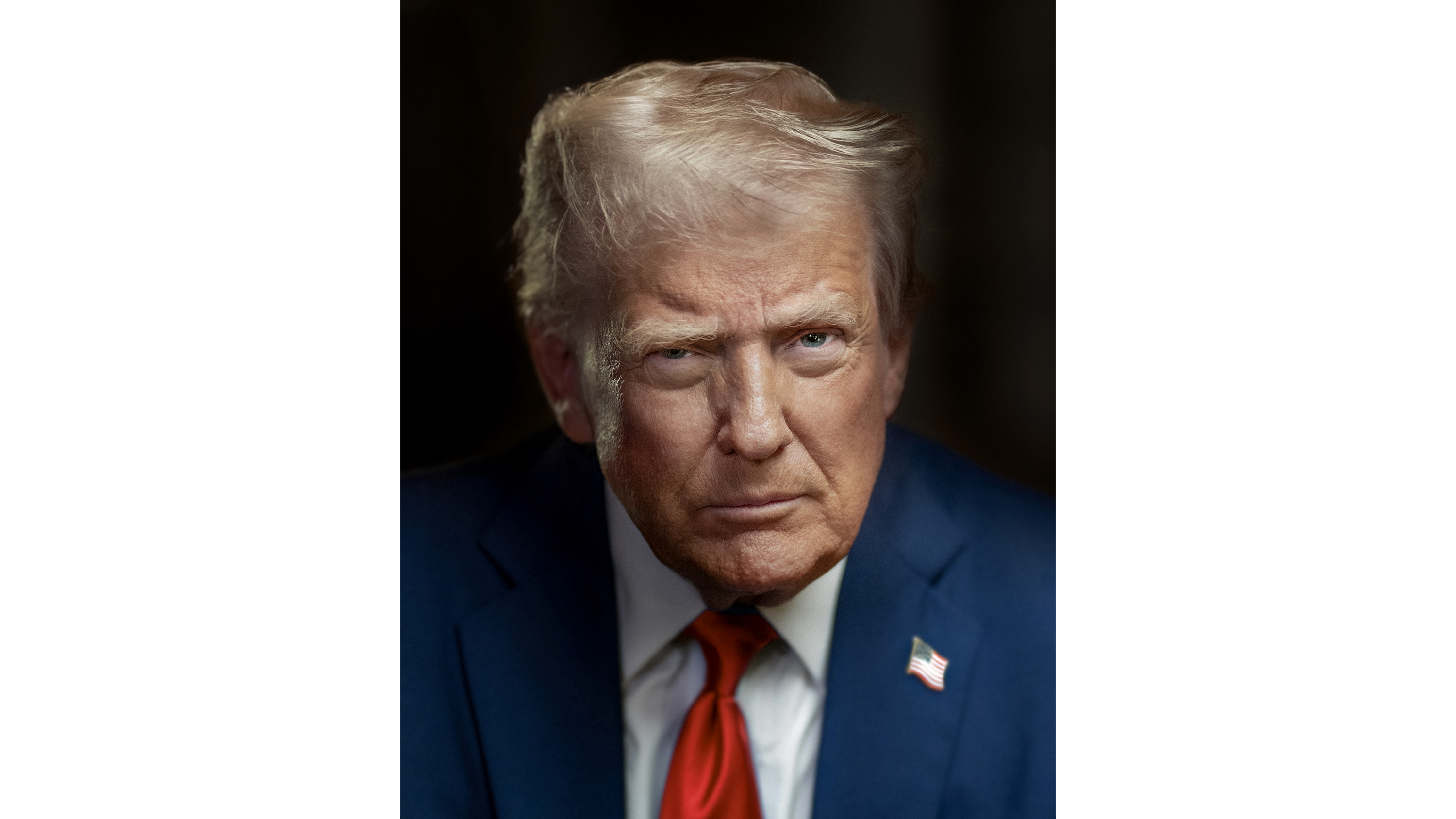
Among the most provocative developments dominating discussions on the sidelines of the assembly was a sweeping strategic declaration concerning the Arctic region. High-profile statements regarding the permanent control over security and massive military expansions in strategic territories have sent ripples through diplomatic channels. Analysts note that these proposals underscore a growing trend toward unilateral security frameworks, challenging traditional multilateral approaches that have governed international relations for decades.
The debate over who holds the ultimate authority in maintaining global peace and security has intensified. Critics argue that such aggressive maneuvers risk destabilizing delicate regional balances, while supporters contend that robust defense postures are necessary to deter emerging threats in an increasingly multipolar world. The United Nations Security Council, already bogged down by deep divisions among its permanent members, faces renewed pressure to prove its relevance in managing these escalating crises.
Economic Implications And Resource Access
Beyond military strategy, the negotiations at the UN are heavily influenced by underlying economic interests and the scramble for vital resources. Access to critical supply chains, rare earth minerals, and strategic shipping routes remains a primary motivator behind the diplomatic posturing. Developing nations have voiced frustration over being sidelined in major security and economic decisions, calling for a more equitable distribution of global power and a restructured international financial architecture.
Diplomats from the Global South emphasized that sustainable development goals cannot be achieved while major powers continue to prioritize geopolitical dominance over collective well-being. Climate change adaptation financing and debt relief for vulnerable economies emerged as critical flashpoints during committee sessions, with delegates demanding binding commitments rather than rhetorical flourishes.
The Future Of Multilateralism
As the assembly progresses, the core question remains whether the United Nations can effectively mediate these competing interests or if the institution is devolving into a mere forum for adversarial posturing. Observers suggest that the current power play reflects a transitional phase in global governance, where the post-World War II order is being vigorously tested by resurgent nationalism and shifting economic powerhouses.
Ultimately, the outcomes of this year's deliberations will likely set the tone for international relations for the foreseeable future. Whether world leaders choose the path of cooperative diplomacy or engage in a zero-sum game of strategic competition will determine the stability of the global order in the years to come.
How do you feel about this story?
Discussion
No comments yet. Be the first to share your thoughts.
Join the discussion
Sign in to share your thoughts on this story.