BNN Summary
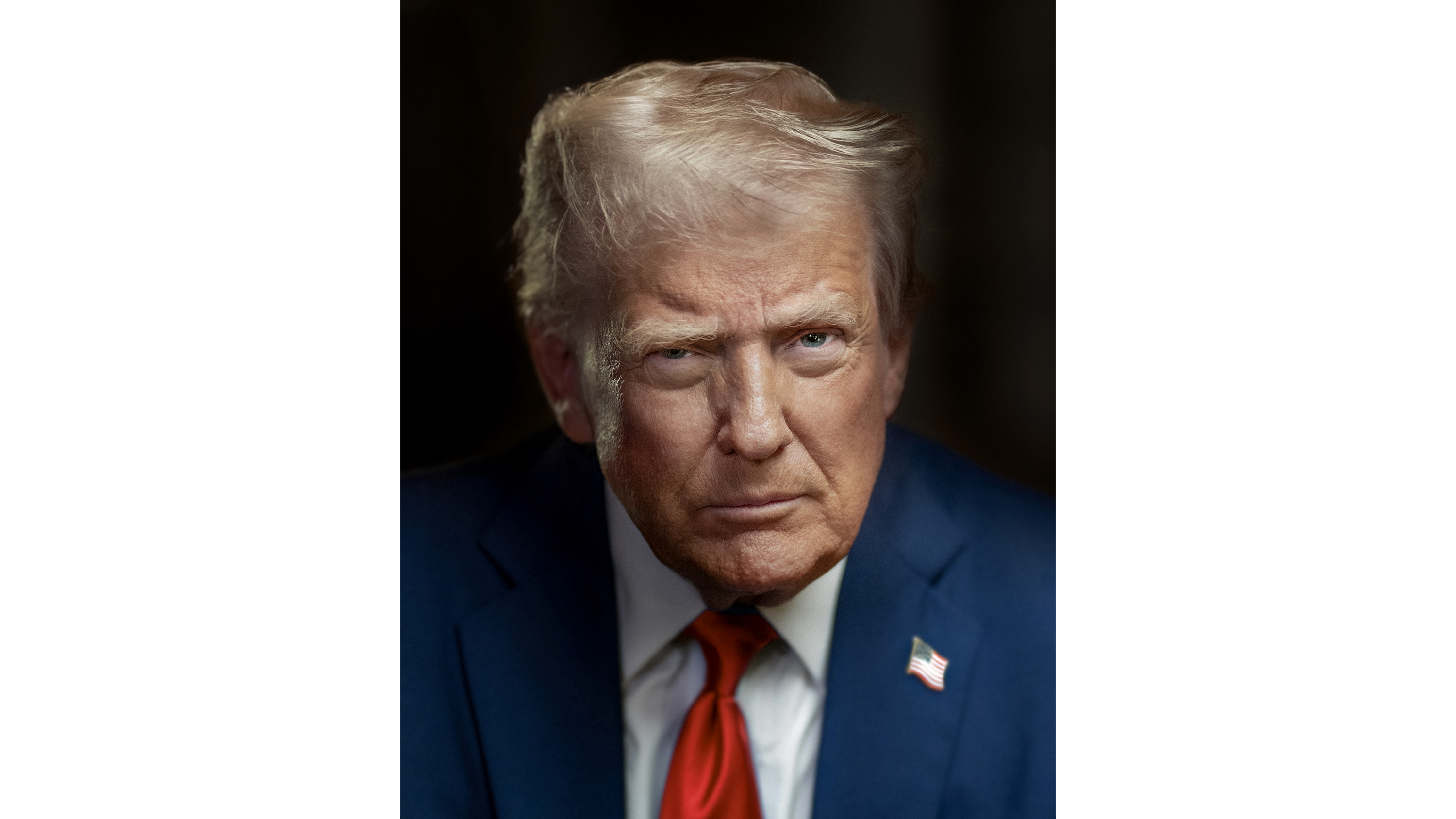
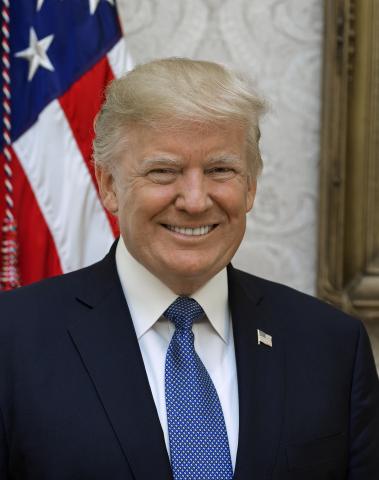
Donald Trump has returned to the United Nations to address world leaders, defending his controversial decision to initiate conflict with Iran. His high-stakes address comes at a time of profound global anxiety surrounding artificial intelligence, geopolitical instability, and the future viability of the international organization itself.
In-Depth Analysis
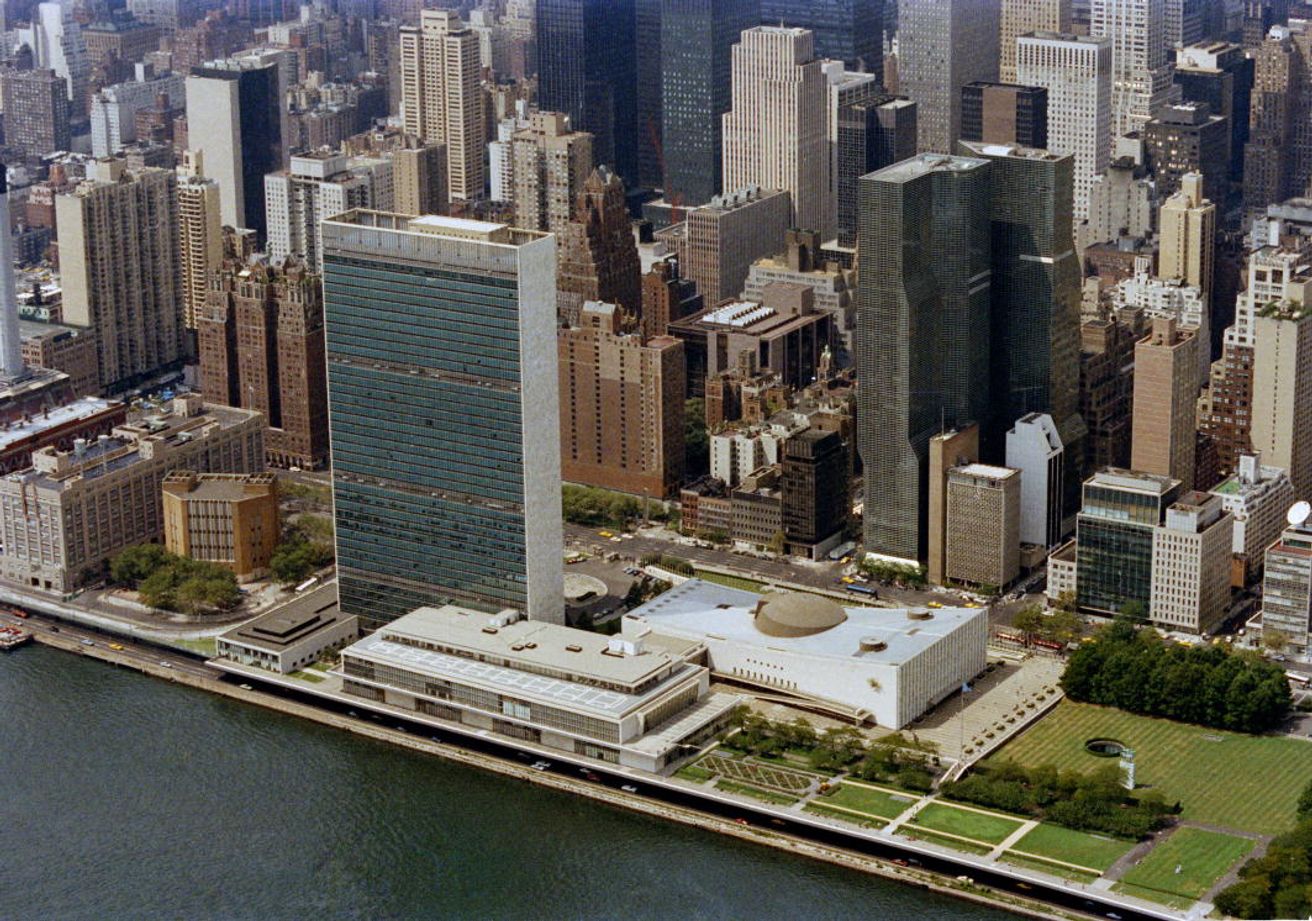
Donald Trump made a dramatic return to the United Nations, delivering a closely watched address to world leaders gathered at the global body's headquarters. The American leader used his platform to vigorously defend his administration's decision to launch military action against Iran, arguing that aggressive measures were necessary to counter regional threats and secure national security interests. His speech immediately drew intense reactions from international diplomats, reflecting deep divisions within the global community regarding the ongoing conflict in the Middle East and the methods employed by major powers to maintain stability.
The address took place against a backdrop of widespread anxiety concerning several interconnected crises currently testing the resilience of international diplomacy. Beyond the immediate military escalation involving Iran, delegates at the summit expressed mounting concerns over the rapid, largely unregulated advancement of artificial intelligence. World leaders and technology experts alike have warned that unchecked artificial intelligence development poses unprecedented risks to global security, economic structures, and information integrity. The intersection of emerging technologies and traditional warfare has created a complex web of uncertainties that the current multilateral framework appears ill-equipped to handle.
Furthermore, Trump's return to the United Nations has reignited fierce debates regarding the future relevance and structural efficacy of the world body itself. Critics and supporters alike questioned whether the United Nations possesses the institutional capacity to mediate modern geopolitical conflicts, regulate disruptive technologies, and enforce international law in an increasingly multipolar world. While defenders of the institution argue that multilateral dialogue remains indispensable for preventing catastrophic global conflicts, detractors point to recurring institutional gridlock and the perceived marginalization of the organization in key peace negotiations.
During his address, Trump emphasized his 'America First' doctrine, signaling a skepticism toward traditional multilateral alliances that has long characterized his foreign policy approach. He challenged international partners to shoulder greater financial and security responsibilities, asserting that the United States should not shoulder the disproportionate burden of global policing. This stance resonated with his political base domestically but caused considerable unease among traditional allies who view American leadership as foundational to the post-World War II international order.
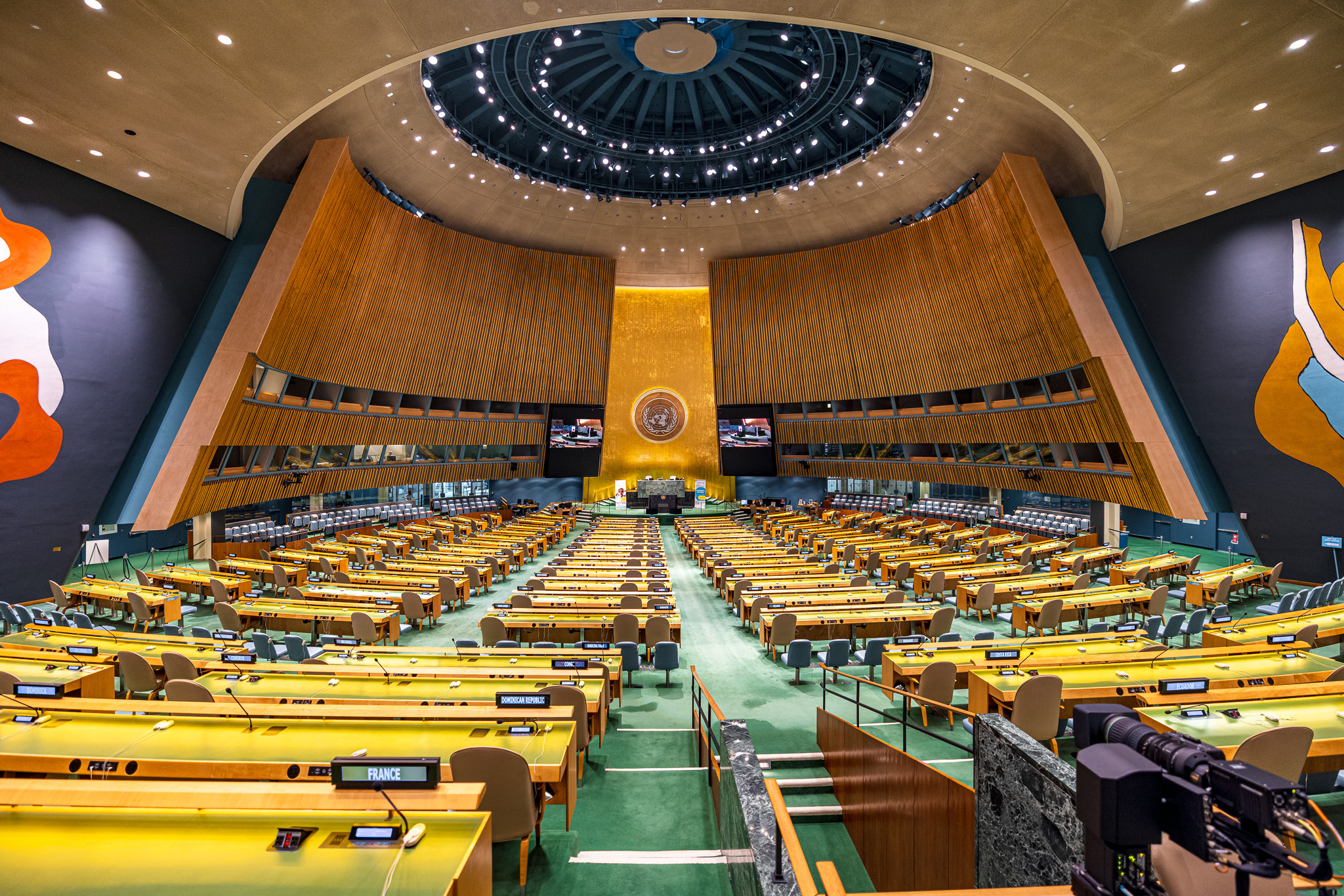
As the United Nations summit continues, delegates are grappling with the daunting task of formulating unified responses to the dual pressures of military conflict and technological disruption. The debates in the assembly hall underscored a fragile global consensus, with many nations calling for renewed commitment to diplomacy, institutional reform, and cooperative governance. However, the polarizing nature of Trump's address and the intractable nature of the crises discussed left many observers questioning whether the international community can muster the unity required to navigate these turbulent times. The coming months will undoubtedly test the resilience of global alliances and the foundational principles upon which the United Nations was established.
How do you feel about this story?
Discussion
No comments yet. Be the first to share your thoughts.
Join the discussion
Sign in to share your thoughts on this story.