Image: Serper
BNN Summary
Global leaders gathered at the BRICS summit to strengthen multilateral ties, advocate for Middle East de-escalation, and hedge against shifts in US foreign policy. Hosted amid changing economic dynamics, leaders including Xi Jinping, Vladimir Putin, and Narendra Modi discussed local currency trade, strategic autonomy, and global governance reform to build a resilient multipolar framework.
In-Depth Analysis
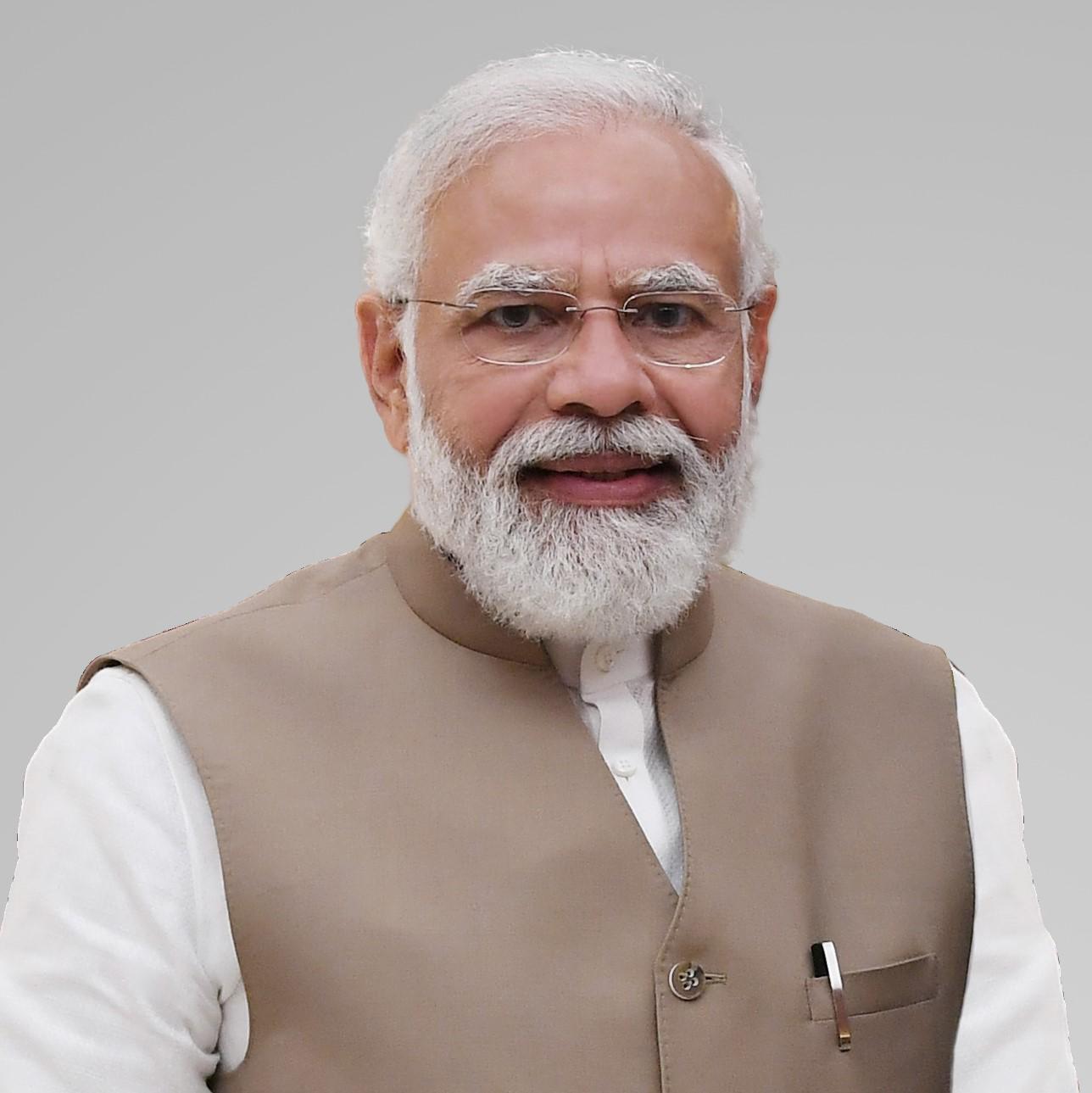
Global leaders gathered at the BRICS summit against a backdrop of shifting international dynamics and heightened geopolitical friction. Hosted under the shadow of global conflicts and economic realignment, the summit brought together key world leaders including Chinese President Xi Jinping, Russian President Vladimir Putin, and Indian Prime Minister Narendra Modi. The high-stakes meeting underscored how rising powers are navigating a rapidly changing world order where trade tensions, unilateral sanctions, and shifting economic agendas are pushing nations to diversify their strategic partnerships and hedge against global uncertainties.
A major theme looming over the summit discussions was the potential impact of renewed protectionist policies and America-First doctrines originating from the United States. With former US President Donald Trump signaling aggressive tariff strategies and transactional foreign policy approaches during his political campaign, emerging markets and major global economies are increasingly seeking insulation from potential transatlantic policy shifts. For countries within the BRICS grouping—which now includes expanded membership across Asia, the Middle East, Africa, and South America—the bloc offers a vital platform to foster alternative trade mechanisms, local currency settlement systems, and strategic coordination independent of traditional Western-dominated financial institutions.
In their collective joint statement, the leaders issued an urgent appeal regarding escalating hostilities across the Middle East. The official BRICS declaration urged all involved parties to exercise maximum restraint, highlighting deep concerns over civilian casualties, infrastructure destruction, and the dangerous regional spillover of conflict. The joint statement emphasized the absolute necessity of adhering to international law and United Nations resolutions, calling for an immediate ceasefire, unhindered humanitarian access, and a renewed commitment to a durable diplomatic solution. The shared posture reflects the growing ambition of the BRICS alliance to project itself as a stabilizing diplomatic force capable of advocating for peace and de-escalation in major global crises.
The summit also provided a critical venue for high-level diplomatic engagements on the sidelines, notably between India and China. As Prime Minister Modi hosted his counterparts in Delhi, bilateral dialogues focused on managing border disputes, restoring diplomatic trust, and ensuring economic stability across Asia. President Xi Jinping emphasized the importance of peaceful coexistence, mutual trust, and multilateral cooperation among major developing nations. The willingness of Beijing and New Delhi to engage constructively at the summit highlights how shared multilateral objectives can create space for resolving complex regional friction.
As BRICS continues its institutional expansion, the alliance represents an increasingly formidable bloc accounting for a significant portion of the global population and gross domestic product. Discussions throughout the summit centered on strengthening financial architecture, improving supply chain resilience, and advocating for comprehensive reforms of global governance structures such as the International Monetary Fund, World Bank, and United Nations Security Council. Ultimately, the summit demonstrated that as global power dynamics become more fragmented, emerging nations are actively constructing a multipolar framework to safeguard their strategic and economic interests on the world stage.
How do you feel about this story?
Discussion
No comments yet. Be the first to share your thoughts.
Join the discussion
Sign in to share your thoughts on this story.