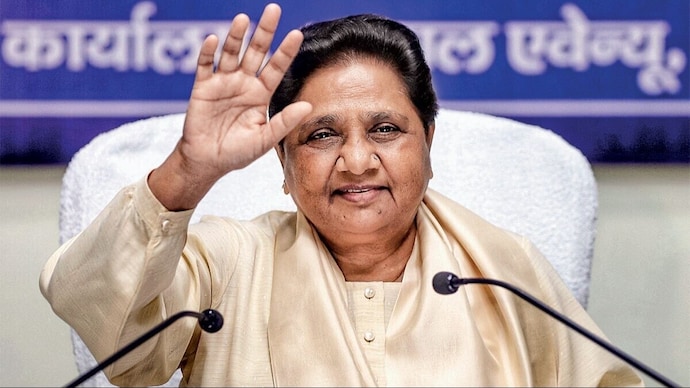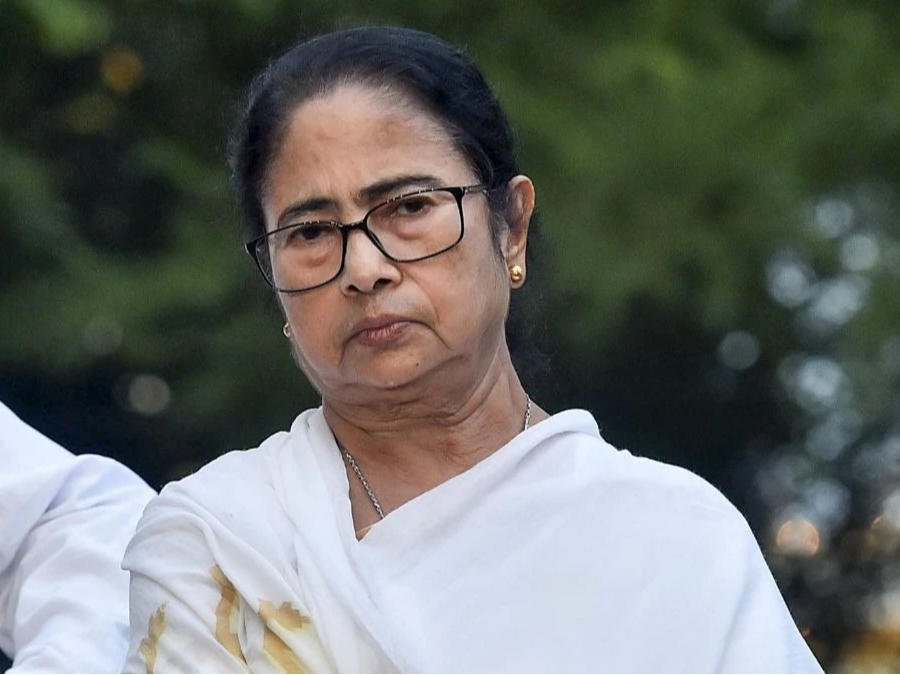
Image: Serper
BNN Summary
The Election Commission of India has commenced crucial hearings regarding the high-stakes symbol dispute between rival factions of the TMC. With both sides claiming organizational majority and legitimate ownership of party assets, the commission is assessing legislative support and internal voting records under the Symbols Order. The pending verdict could reshape political alignments ahead of upcoming polls.
In-Depth Analysis
The ongoing dispute over the official name and electoral symbol of the Trinamool Congress (TMC) has entered a decisive phase as the Election Commission of India (ECI) commenced formal hearings to examine rival claims submitted by competing factions. The poll panel convened a multi-hour session at its Nirvachan Sadan headquarters in New Delhi, allowing legal counsels representing both sides to present oral arguments and submit supporting documentary evidence.
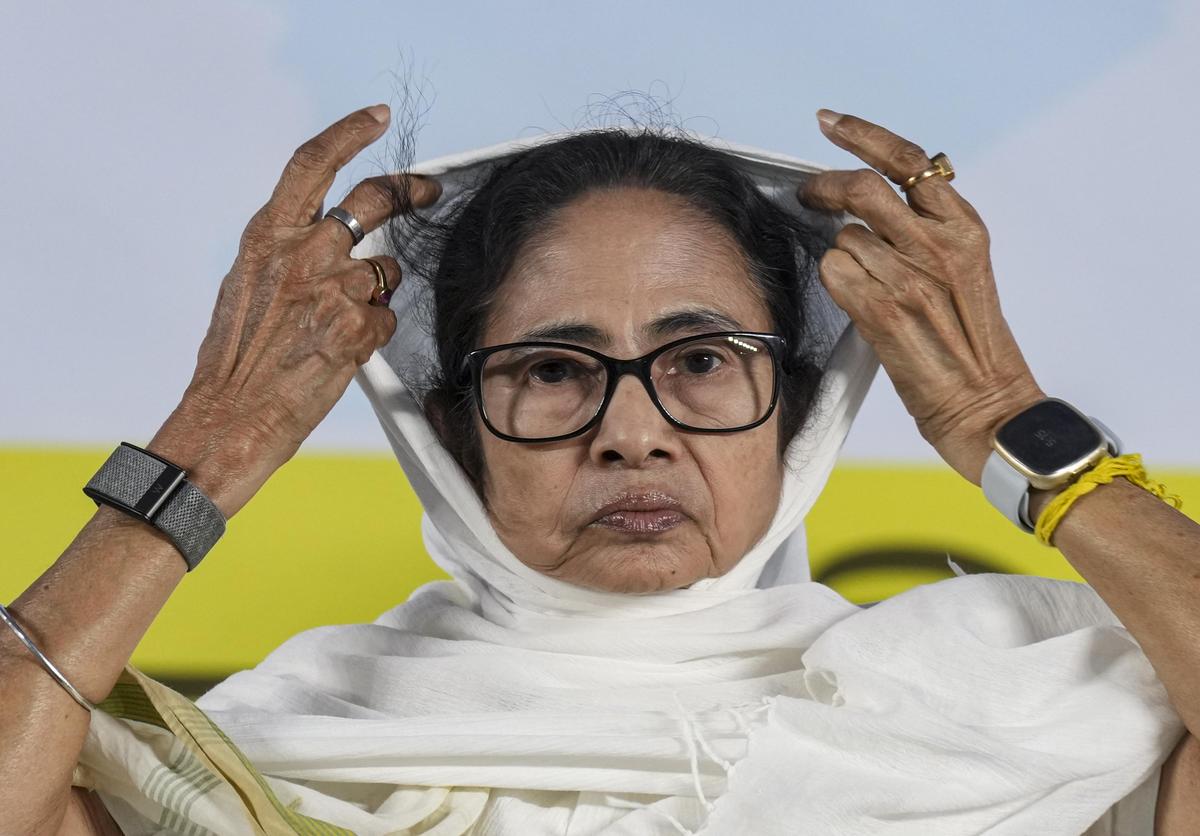
The core of the conflict centers around which faction holds legitimate title to the party symbol and organizational identity. Exercising its quasi-judicial powers under Paragraph 15 of the Election Symbols (Reservation and Allotment) Order, 1968, the tribunal is evaluating the numerical strength demonstrated by each group across organizational and legislative wings. Legal representatives of the primary faction, led by key party figures including West Bengal Chief Minister Mamata Banerjee, argued that the vast majority of elected members of parliament, state assembly legislators, and primary committee members remain steadfast in their allegiance to the established leadership.
Conversely, the rival faction submitted thousands of signed affidavits from office-bearers, delegate members, and regional coordinators, contending that internal elections were either circumvented or conducted in violation of the party constitutional framework. They asserted that genuine party democracy supports their leadership claim, requesting the commission to officially recognize them as the authentic political entity entitled to the original symbol.
During the proceedings, Chief Election Commissioner Rajiv Kumar along with fellow Election Commissioners meticulously reviewed the authenticity of submitted affidavits. The legal framework surrounding political symbol adjudication requires the Election Commission to rigorously verify signatures, track delegate attendance registers, and scrutinize state unit resolutions. The commission instructed both factions to submit compiled cross-examination lists and supplementary legal briefs within a strict timeframe. To resolve such high-profile party schisms, the ECI historically applies the landmark test established in previous judicial precedents, weighing legislative majority alongside organizational representation.
If the poll panel finds the evidence balanced or unable to definitively determine an immediate winner prior to impending elections, it may issue an interim directive to freeze the disputed symbol. Under such interim arrangements, both contesting factions would be assigned modified temporary titles along with fresh electoral symbols from the pool of free symbols to prevent voter confusion.
The political ramifications of this proceeding are substantial. A definitive ruling in favor of one faction will grant exclusive control over political branding, party bank accounts, headquarters, and election symbol visibility, while potentially forcing the opposing group to rebrand completely before the next electoral cycle. Legal experts anticipate that whatever decision the Election Commission delivers, the aggrieved party is likely to challenge the administrative verdict before the Supreme Court of India.
How do you feel about this story?
Discussion
No comments yet. Be the first to share your thoughts.
Join the discussion
Sign in to share your thoughts on this story.