Image: Serper
BNN Summary
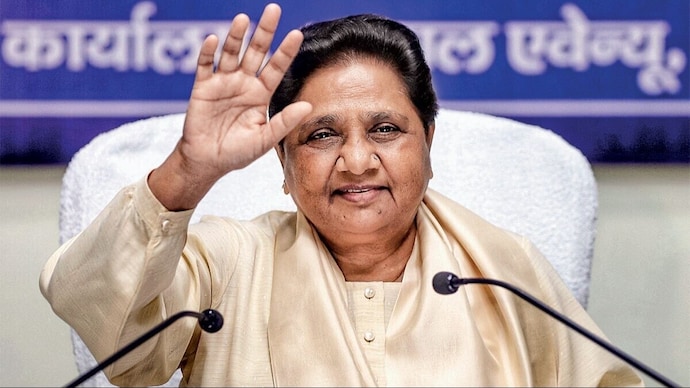
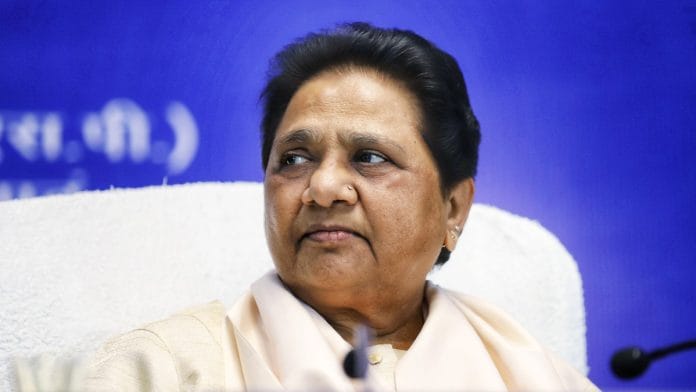
Bahujan Samaj Party chief Mayawati has altered her party's succession strategy by sidelining her nephews Akash Anand and Ishan Anand. Opening political doors for her niece Deepika, Mayawati's latest move introduces a new dynamic to the party leadership as it seeks to rebuild its influence in Uttar Pradesh.
In-Depth Analysis
Bahujan Samaj Party supremo Mayawati has introduced a major organizational twist in her party's leadership pipeline, signaling a significant shift in her political succession strategy. In her latest internal directive and political positioning, the former Uttar Pradesh Chief Minister has effectively ruled out her nephews, Akash Anand and Ishan Anand, from taking over the reins of the party. Instead, Mayawati has opened the doors for her niece, Deepika, marking a fresh Gen-Z turn in the evolving saga of the party's leadership heir.
For several years, the question of who would succeed Mayawati at the helm of the BSP has been a subject of intense political speculation. Akash Anand, who was elevated to the post of national coordinator and officially declared her political successor in late 2023, was once viewed as the undisputed next-generation face of the party. His active campaigning during key state assembly elections and his efforts to connect with younger voters appeared to secure his position. However, political friction and controversial statements during election rallies led to his abrupt removal from key party responsibilities, casting a shadow of uncertainty over his political future.
Following Akash Anand's removal from key positions, speculation briefly turned toward Ishan Anand as another potential family member who might step up to fulfill organizational responsibilities. Yet, Mayawati's latest decisions have firmly sidelined both nephews, making it clear that neither will hold the mantle of political heir within the Bahujan Samaj Party structure for the foreseeable future.
The spotlight has now unexpectedly shifted to her niece, Deepika. While Deepika's exact organizational role remains to be formally outlined by the party high command, her potential induction is viewed by observers as a fresh attempt to rejuvenate the party's outreach. Party insiders suggest that bringing a young female leader into the forefront could help appeal to a broader demographic, particularly young voters and women, while preserving the internal leadership continuity that has defined party governance.
This latest succession move comes at a crucial juncture for the Bahujan Samaj Party, which has faced severe electoral setbacks in recent election cycles across Uttar Pradesh and other northern states. Once a formidable political force capable of forming majority governments in India's most populous state, the BSP has struggled to retain its core vote bank amid aggressive outreach from rival regional and national parties. Political analysts note that resolving the leadership dilemma is vital for the BSP if it hopes to rebuild its cadre, restructure local committee networks, and project a cohesive strategy for upcoming municipal and state elections.
As Mayawati continues to maintain total authority over party decisions, the entry of Deepika adds a compelling new narrative to the party's future political roadmap. Cadres across Uttar Pradesh are watching closely to see how this leadership transition unfolds and whether the new face of the party can restore its electoral momentum.
How do you feel about this story?
Discussion
No comments yet. Be the first to share your thoughts.
Join the discussion
Sign in to share your thoughts on this story.