BNN Summary
Recent international news highlights ongoing global security operations, including a United States military strike against an alleged drug-smuggling vessel in the Caribbean, oil escort missions through the Strait of Hormuz, and reflective human interest reports on long-imprisoned veterans from past conflicts.
In-Depth Analysis
Recent geopolitical and military developments across the globe have brought several critical security operations and human rights concerns to the forefront of international news. From maritime security challenges in vital global trade lanes to anti-narcotics enforcement in the Caribbean and long-standing historical grievances, governments and military forces continue to grapple with complex operational environments.
In the Caribbean region, the United States military recently executed a targeted strike against an alleged drug-smuggling vessel. According to defense officials, the operation was part of an expanded counter-narcotics campaign designed to disrupt illicit trafficking networks that utilize maritime routes to transport illegal substances into international markets. The strike underscores the persistent challenges faced by naval forces operating in vast oceanic domains, where monitoring and intercepting illicit cargo requires extensive intelligence coordination and rapid tactical deployment. Defense analysts note that such operations highlight the militarization of drug enforcement strategies, reflecting a broader trend where traditional military assets are increasingly deployed to combat transnational criminal syndicates.
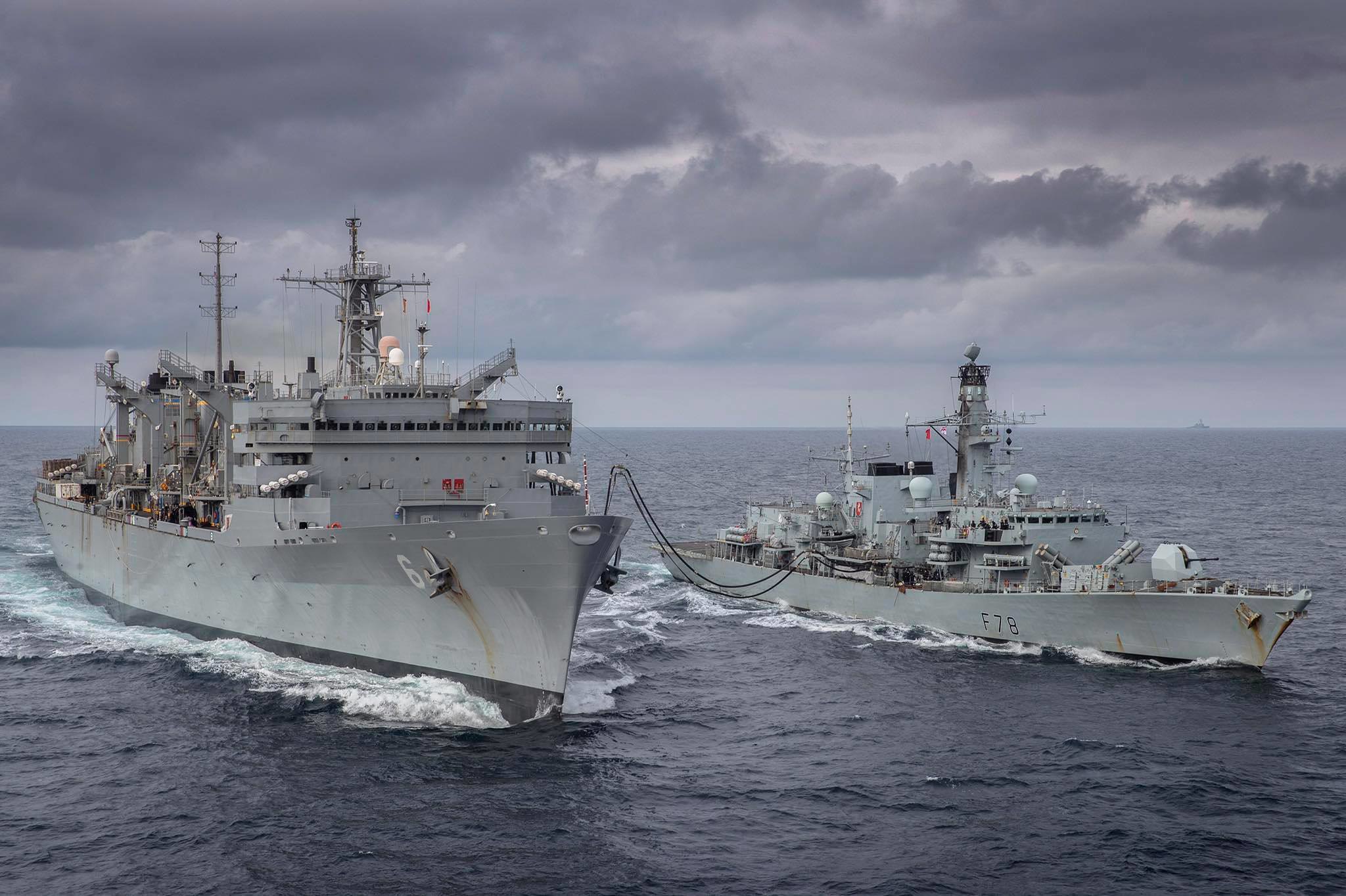
Meanwhile, in the Middle East, maritime security remains a central focus for international naval coalitions. Recent updates from the region indicate that the United States military has successfully escorted a massive volume of petroleum—amounting to approximately one billion barrels—through the strategically vital Strait of Hormuz. This narrow waterway, which connects the Persian Gulf to the Gulf of Oman, serves as one of the world's most critical energy transit chokepoints. Ensuring the unhindered flow of oil through this corridor is vital for maintaining global energy stability and preventing severe market fluctuations. Naval forces stationed in the area maintain a high state of readiness to deter potential threats and protect commercial shipping from harassment or interference, balancing strategic deterrence with routine escort duties.
Beyond contemporary military maneuvers, media reports have also cast light on enduring human tragedies resulting from past conflicts. Feature coverage examining the plight of war veterans imprisoned decades ago has brought renewed attention to historical injustices. Families of these long-forgotten service members continue to seek answers and accountability, often expressing profound anguish over the lack of communication and transparency regarding the fate of their loved ones. These poignant narratives serve as a stark reminder of the long-lasting human costs of war, extending far beyond the immediate battlefield and echoing through generations.
As international actors navigate these multifaceted challenges, the intersection of military strategy, maritime commerce, and humanitarian concerns continues to shape the global landscape. Whether through high-seas interdictions, critical energy corridor patrols, or the painful unravelling of historical wartime cases, the demand for vigilance, diplomacy, and adherence to international norms remains paramount. Observers worldwide will continue to monitor these developments closely as governments adapt their policies to address evolving security threats and pursue stability in an increasingly unpredictable world.
How do you feel about this story?
Discussion
No comments yet. Be the first to share your thoughts.
Join the discussion
Sign in to share your thoughts on this story.