BNN Summary
Speculation is mounting over the political future of Varun Gandhi, with political circles discussing a potential Rajya Sabha nomination as a pathway for his revival. This comes amidst broader political realignments and discussions surrounding voter roll management, election processes, and the shifting dynamics of political symbolism in Uttar Pradesh.
In-Depth Analysis
Political circles across India are currently abuzz with intense speculation regarding the future trajectory of prominent political leader Varun Gandhi. Rumors suggest that a strategic political revival may be on the horizon, potentially through a nomination to the Rajya Sabha, the upper house of the Indian Parliament. This development, if it materializes, could mark a significant chapter in contemporary national politics, given his lineage, past electoral presence, and distinct ideological positioning within the broader socio-political landscape.
Varun Gandhi has long been recognized as a articulate voice within Indian politics, often engaging with critical public welfare issues, economic concerns, and rural development. Observers note that his potential entry into the Rajya Sabha would provide him with an influential national platform to articulate policy positions and engage in rigorous legislative debates. While formal announcements have not been made by major political stakeholders, analysts suggest that ongoing political realignments, particularly in states like Uttar Pradesh, could create space for seasoned leaders seeking impactful roles beyond direct constituency-based electoral politics.
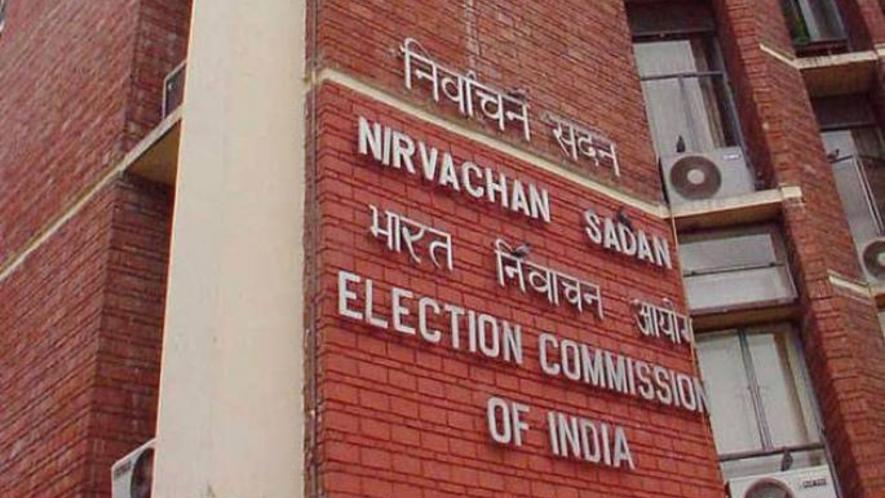
The discussions surrounding Varun Gandhi coincide with broader electoral and administrative debates currently capturing national headlines. Recently, opposition parties, notably the Indian National Congress, have raised serious concerns regarding administrative processes, alleging that institutional bodies have bypassed vital dissent concerning voter roll management and information technology infrastructure revamps. These debates underscore the increasingly contentious nature of electoral governance, transparency, and the operational integrity of democratic institutions in India.
Furthermore, the political theater in Uttar Pradesh remains a focal point for national strategy. Political analysts emphasize that the battle for political meaning in India's most populous state extends far beyond policy debates, deeply intertwining with the strategic use of colors, symbols, historical icons, and cultural narratives. Parties across the spectrum are continuously recalibrating their messaging to resonate with diverse voter blocs, ranging from marginalized communities to aspirational youth segments. In this complex ecosystem, individual leaders with mass appeal or independent credibility, such as Varun Gandhi, often find themselves at the center of strategic calculations.
As political parties prepare for upcoming legislative sessions and future electoral contests, the trajectory of leaders like Varun Gandhi will likely serve as a barometer for broader shifts within the political establishment. Whether a Rajya Sabha nomination will materialize remains to be seen, but the ongoing discourse highlights the enduring fluidity of political alliances and career paths in the world's largest democracy. Stakeholders and political analysts will undoubtedly monitor these developments closely as national parties finalize their strategies for the legislative months ahead.
How do you feel about this story?
Discussion
No comments yet. Be the first to share your thoughts.
Join the discussion
Sign in to share your thoughts on this story.