BNN Summary
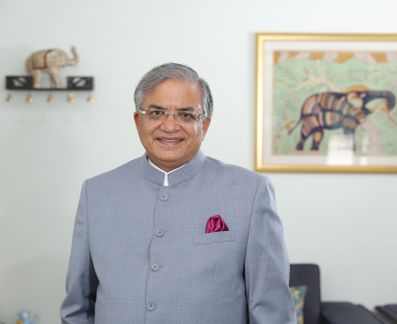
Chief Election Commissioner Gyanesh Kumar finds himself at the center of a major political firestorm as opposition parties, led by the Congress and the broader INDIA bloc, stage nationwide protests, demand his resignation, and prepare to move a formal parliamentary notice for his removal over alleged electoral discrepancies.
In-Depth Analysis
The Election Commission of India and Chief Election Commissioner Gyanesh Kumar have once again been thrust into the eye of a severe political storm, facing an unprecedented wave of opposition protests, demands for resignation, and parliamentary actions. The friction stems from escalating tensions between opposition parties and the poll panel over the management and transparency of recent electoral processes, culminating in coordinated demonstrations across several major Indian cities.
Nationwide Protests and Symbolic Demonstrations
In the national capital and various state headquarters, members and leaders of the Congress party, along with allies from the Indian National Developmental Inclusive Alliance (INDIA bloc), took to the streets to voice their profound dissatisfaction with the current leadership of the Election Commission. Demonstrators adopted striking visual elements to amplify their discontent, utilizing distinctive masks, symbolic handcuffs, and holding prominent banners calling for accountability. Protesters chanted slogans demanding an immediate resignation from Chief Election Commissioner Gyanesh Kumar, accusing the constitutional body of compromising its institutional neutrality and failing to address multiple complaints filed regarding electoral malpractices and procedural irregularities.
The protests represent a significant escalation in the ongoing standoff between the political opposition and India's apex electoral administration. Opposition leaders argue that public trust in democratic institutions is paramount, and any perception of bias or opacity in election administration threatens the foundational integrity of the Indian republic. The use of theatrical props during the demonstrations underscored the gravity with which opposition parties view the situation, signaling that they intend to sustain political pressure on the election watchdog in the lead-up to upcoming legislative battles.
Parliamentary Strategy and Removal Notice
Beyond street-level agitations, the opposition alliance is mobilizing its legislative machinery to challenge the Chief Election Commissioner formally. According to senior leaders from the INDIA bloc, constituent parties are finalizing a fresh parliamentary notice seeking the removal of Gyanesh Kumar. Drafting this motion requires careful adherence to strict constitutional provisions and parliamentary rules governing the impeachment or removal of election commissioners, which necessitate substantial backing from lawmakers across houses.
Constitutional experts point out that removing a Chief Election Commissioner is a rigorous process designed to safeguard the independence of the poll panel, requiring proof of proved misbehavior or incapacity through a motion passed by both houses of Parliament with special majorities. Despite these high legal thresholds, opposition strategists maintain that bringing the notice is a necessary political and moral imperative to register their formal dissent on record. The joint action plan formulated by the INDIA bloc also includes coordinated representations to various constitutional authorities and public awareness campaigns aimed at highlighting their grievances.
Context of the Institutional Controversy
The current controversy reflects a deepening trust deficit between the political opposition and election administrators. Critics have repeatedly raised concerns regarding electronic voting machine transparency, voter turnout data discrepancies, and the timeline of addressing complaints lodged during high-stakes electoral campaigns. The Election Commission, under Gyanesh Kumar, has consistently maintained that all operations are conducted with utmost adherence to statutory guidelines, utilizing robust technological frameworks to secure the democratic mandate of millions of voters.
As the political confrontation moves toward Parliament, the standoff poses a formidable challenge to the administrative stability of India's electoral machinery. Both the ruling establishment and the opposition are bracing for a prolonged battle over institutional autonomy, transparency, and accountability, setting the stage for high-voltage debates in the legislature and continued political friction across the country.
How do you feel about this story?
Discussion
No comments yet. Be the first to share your thoughts.
Join the discussion
Sign in to share your thoughts on this story.