BNN Summary
Amid swirling national controversies and heightened political scrutiny, the Election Commission has announced significant updates to voting regulations. These comprehensive reforms aim to streamline the electoral process, enhance transparency, and address emerging challenges raised by various political factions across the country.
In-Depth Analysis
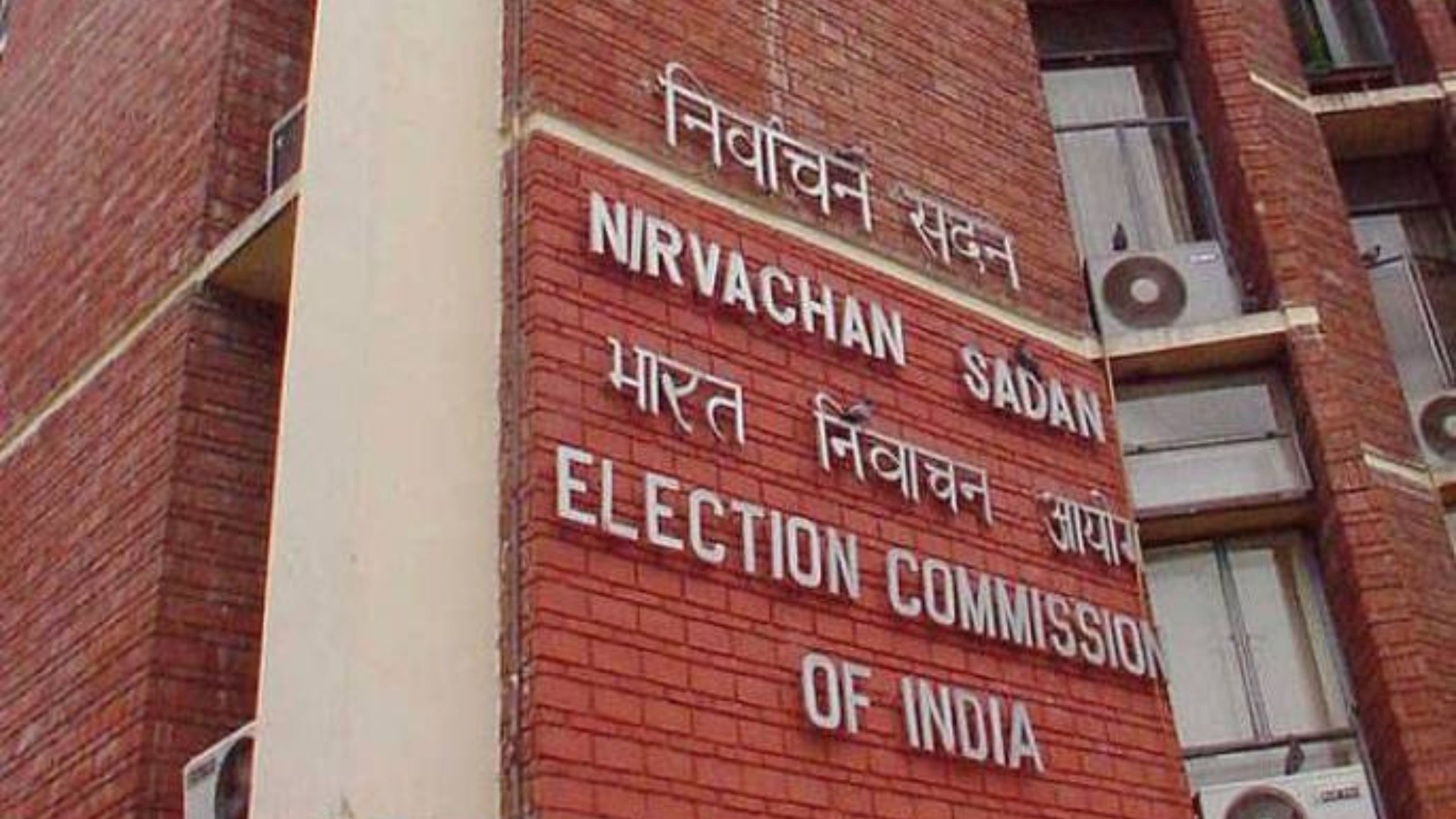
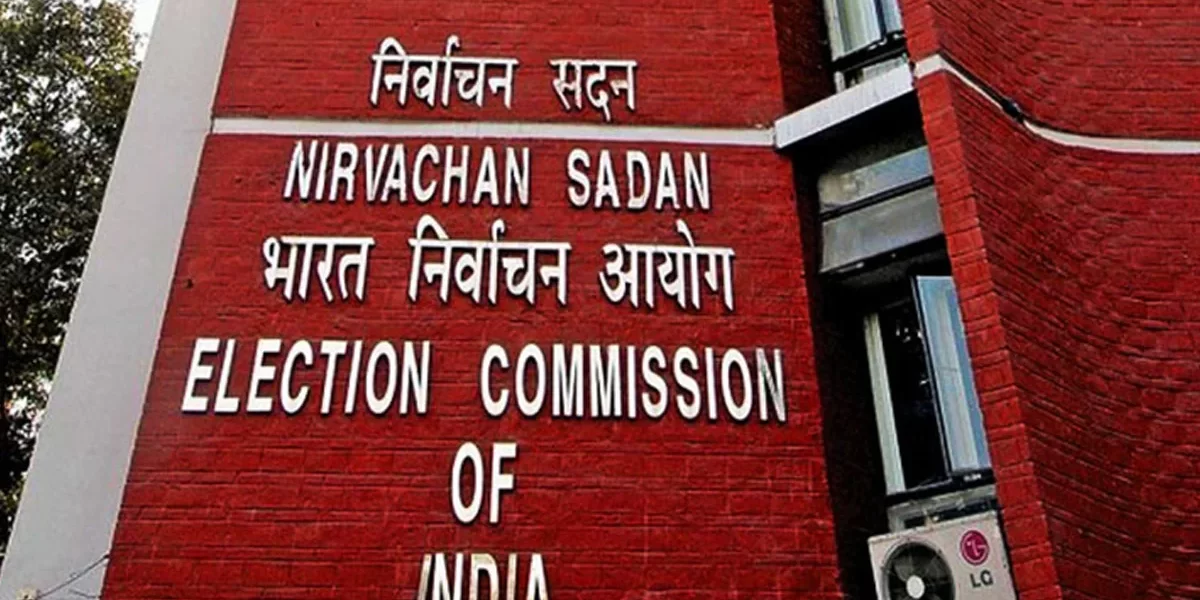
The Election Commission of India has officially introduced a series of sweeping changes to the established voting protocols, aiming to modernize the electoral infrastructure and reinforce public trust in the democratic process. This high-profile announcement comes at a time of intense political debate and public scrutiny, particularly surrounding administrative decisions and oversight mechanisms.
Comprehensive Overhaul of Electoral Guidelines
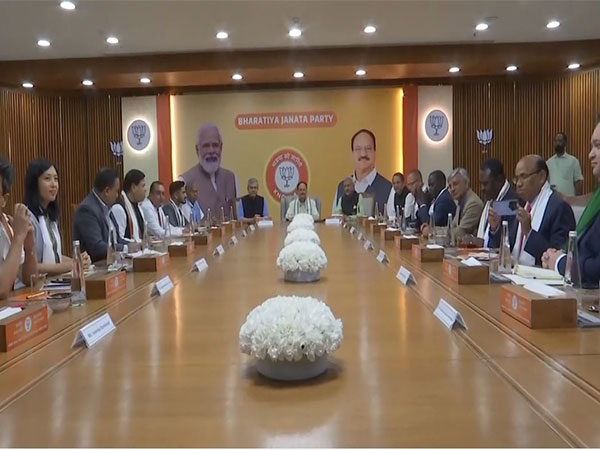
In a crucial high-level meeting convened at the headquarters, top election officials reviewed the operational framework governing polling booths, voter verification processes, and transparency measures. The newly instituted regulations introduce five major modifications designed to plug administrative loopholes and provide a smoother, more secure experience for millions of eligible voters.
Among the key changes is the implementation of stricter verification standards during the preliminary stages of voter registration and roll revision. These adjustments are intended to curb discrepancies and ensure that electoral rolls remain accurate and up-to-date. Furthermore, the Commission has outlined enhanced protocols for managing electronic voting machines, emphasizing stringent security audits and real-time tracking during transit.
Political Tensions and Strategic Maneuvers
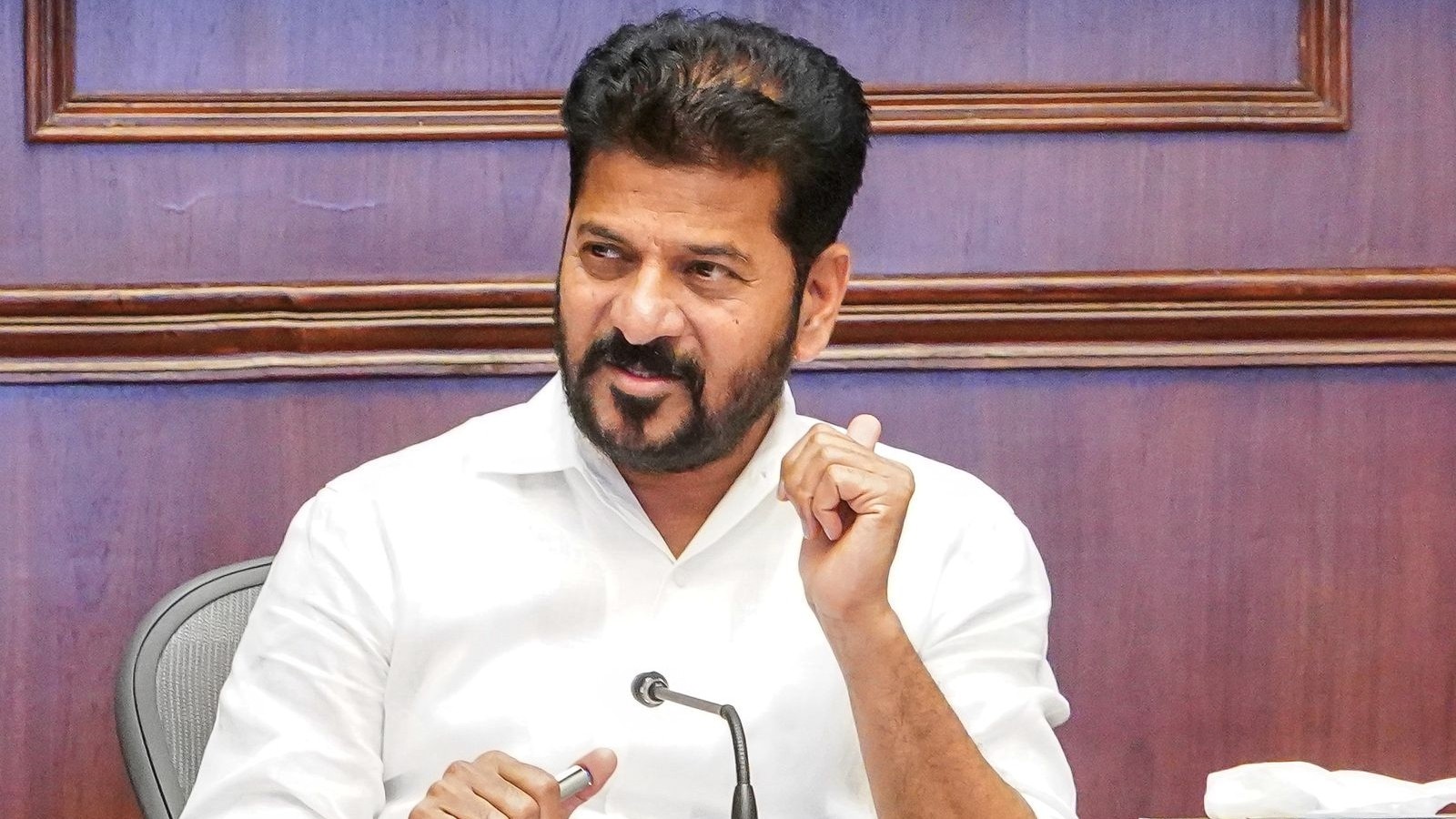
The timing of these regulatory updates has drawn sharp attention from political observers and opposition leaders alike. Recent weeks have witnessed heated discussions in political circles, with figures like Rahul Gandhi and various regional parties questioning the administrative approach of top electoral authorities. Critics have voiced concerns over procedural transparency, prompting the Commission to proactively recalibrate its guidelines to demonstrate absolute neutrality and operational rigor.
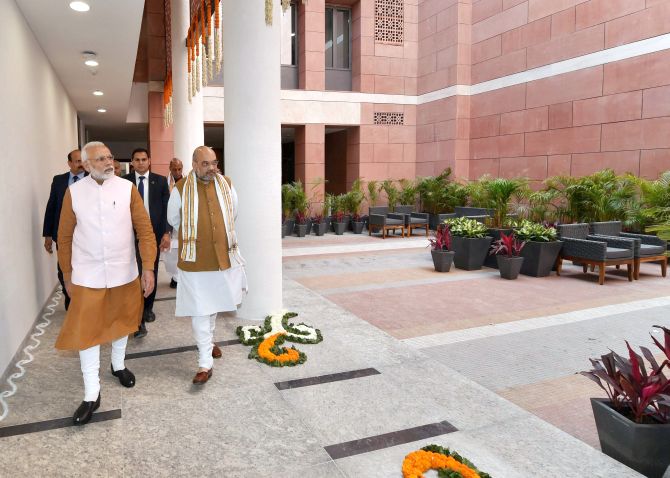
At the same time, ruling administration officials have held continuous consultative sessions to review governance measures and prepare for upcoming legislative challenges, including crucial upcoming Rajya Sabha elections. The interplay between legislative strategy, opposition pressure, and administrative reform has created a dynamic political landscape where every procedural shift is heavily analyzed.
Ensuring Fairness and Accessibility
Despite the surrounding controversies, the Election Commission reiterated its unwavering commitment to conducting free, fair, and inclusive elections. The newly revised rules also focus heavily on improving accessibility for senior citizens, persons with disabilities, and marginalized communities. Special polling stations equipped with advanced assistive technologies are slated to be deployed in forthcoming electoral cycles.
Experts and constitutional analysts have offered mixed reactions to the announcements. While many welcome the technological and procedural upgrades as a step in the modernizing direction, others emphasize the need for continuous dialogue between regulatory bodies and political stakeholders to maintain institutional harmony. As the nation prepares for upcoming electoral milestones, the success of these newly implemented rules will largely depend on flawless ground-level execution and transparent communication from election authorities.
How do you feel about this story?
Discussion
No comments yet. Be the first to share your thoughts.
Join the discussion
Sign in to share your thoughts on this story.